

Ever wondered how long it takes for a mango tree to start bearing fruit? If you’ve planted one or are thinking about it, you’re not alone. Many people dream of enjoying sweet, juicy mangoes straight from their own backyard.
But the wait can feel endless. You might be eager to see those vibrant fruits hanging from the branches, and it’s frustrating when you’re not sure when that will happen. This article will guide you through the timeline of mango tree growth and fruiting, helping you understand what to expect and how to care for your tree along the way. With a little patience and the right knowledge, you’ll be on your way to enjoying your very own mango harvest.
Key Takeaways
- Time to Fruit: Mango trees generally take 3 to 6 years to begin producing fruit, with grafted trees typically fruiting sooner (3 to 4 years) compared to seed-grown trees (5 to 6 years).
- Variety Matters: The type of mango tree significantly influences fruiting times; dwarf varieties may yield fruit within 2 to 3 years.
- Care & Maintenance: Proper care, including full sunlight (6+ hours daily), deep but infrequent watering, and regular pest management, enhances fruit production.
- Optimal Conditions: Key environmental factors such as well-drained sandy loam soil, adequate temperature (70°F to 100°F), and moderate humidity play crucial roles in fruit development.
- Nutritional Support: Utilizing balanced fertilizers, particularly in early spring, promotes healthier growth and flowering, supporting a successful mango yield.
Understanding Mango Trees
Mango trees are tropical plants known for their delicious, juicy fruits. These trees typically thrive in warm climates and require proper care to achieve fruitful yields.
Types of Mango Trees
Mango trees come in several varieties, each with unique characteristics. Here are some common types:
- Haden: This variety offers sweet, juicy fruit with a vibrant red and green skin. It’s popular for home gardens.
- Kent: Known for its fiberless flesh, the Kent mango has a rich flavor and is mainly harvested for export.
- Tommy Atkins: This variety has an elongated shape and is resistant to disease, making it a common choice for commercial cultivation.
- Banganapalli: A favorite in India, it features sweet, fragrant fruit and bright yellow skin.
Choosing the right mango tree variety can influence your harvest’s quality and taste.
Growth Habits
Mango trees exhibit specific growth habits that impact how quickly they bear fruit. Consider the following:
- Maturity Time: Most mango trees take 3 to 6 years to start bearing fruit, depending on their variety and growing conditions.
- Size: These trees can reach heights of 30 to 100 feet, but dwarf varieties exist for smaller spaces.
- Climatic Needs: Mango trees thrive in full sun and well-drained soil. They prefer warm temperatures above 50°F.
Proper care, including regular watering and fertilization, enhances growth and fruiting potential. Understanding these growth habits helps you manage your expectations as you wait for those first mangoes.
Factors Influencing Fruit Bearing
Multiple factors affect how long it takes for a mango tree to bear fruit. These include the age of the tree and environmental conditions. Understanding these elements helps manage expectations regarding your tree’s production timeline.
Recommended Products

🌳 Mango Majesty Unveiled: Elevate your Mango Tree care with Gardenera's meticulously crafted Mango Tree Potting Mix, designed to nurture the growth and bounty of your mangoes.


🌳 Mango Majesty Unveiled: Elevate your Mango Tree care with Gardenera's meticulously crafted Mango Tree Potting Mix, designed to nurture the growth and bounty of your mangoes.
Age of the Tree
Mango trees typically bear fruit between 3 and 6 years old. Younger trees might require more time to grow strong enough to support fruit production. For instance, a tree planted from a seed may take longer than a grafted tree, which can fruit sooner. The maturity of the tree plays a vital role in its ability to produce quality fruit. Regular care during the growth period speeds up the process but ultimately, patience is essential.
Environmental Conditions
Environmental conditions significantly impact the fruiting timeline of mango trees. Consider the following factors:
- Sunlight: Mango trees thrive in full sun. A minimum of 6 hours of direct sunlight daily supports healthy growth and fruit production.
- Temperature: These trees prefer warm weather. Temperatures between 70°F and 100°F (21°C to 38°C) are ideal for fruiting.
- Soil Quality: Well-drained, sandy loam soil promotes root health. Soil that retains moisture can hinder growth, so ensure proper drainage.
- Humidity: Moderate humidity levels foster an optimal growing environment. Excessive humidity may lead to disease, impacting fruit development.
By optimizing these conditions, you increase the likelihood of your mango tree bearing fruit sooner and more abundantly.
Timeline for Fruit Production
Understanding the timeline for fruit production helps you manage expectations as you wait for your mango tree to bear fruit. Mango trees take several years to start producing, influenced by their variety and care.
Recommended Products
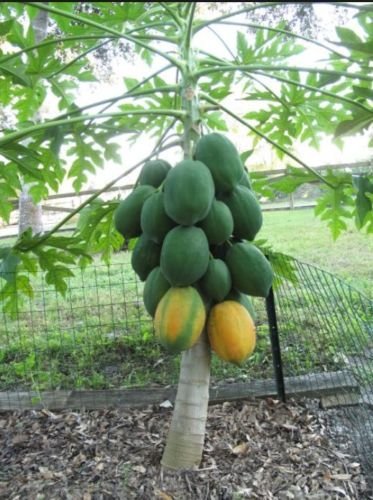
Here are 10 Dwarf Waimanalo papaya seeds (And we always throw in a few extra!). These seeds are very fresh and were just harvested. The Dwarf Waimanalo papaya is an uncommon variety of dwarf papaya that tastes extremely sweet and delicious.

Grafted Mango Tree: Includes 1 live mango tree, grafted and fully rooted in a 3-gallon nursery pot

Golden Red Peach tree seedling, approximately 6-9 inches tall, shipped growing in a half-gallon pot and ready for transplanting into containers, gardens, or small orchards.
From Planting to Fruiting
You can expect a mango tree to start bearing fruit within 3 to 6 years after planting, depending on factors like the tree’s method of propagation. Grafted trees fruit earlier, typically around 3 to 4 years, while seed-grown trees might take up to 6 years or longer. Caring for your tree with proper watering, fertilization, and sunlight exposure promotes healthier growth and earlier fruit production.
| Type of Mango Tree | Time to Bear Fruit |
|---|---|
| Seed-Propagated | 5 to 6 years |
| Grafted | 3 to 4 years |
| Dwarf Varieties | 2 to 3 years |
Dwarf mango tree varieties, such as ‘Miniature Mango,’ often produce fruit faster, typically within 2 to 3 years. Keep in mind that these timeframes can vary based on the growing conditions and care provided. Ensuring your mango tree thrives in full sun with well-drained soil improves its chances of earlier fruiting.
Tips for Encouraging Fruit Growth
Encouraging your mango tree to bear fruit involves proper care and strategic fertilization. Implementing a few key practices can significantly improve your fruit yield.
Recommended Products
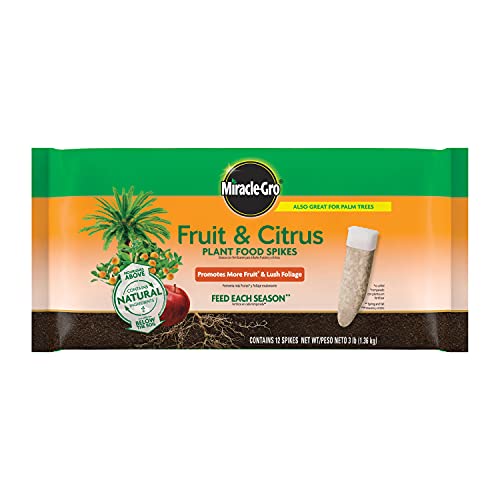
FORMULATED FOR CITRUS AND FRUIT TREES: Use these citrus fertilizer spikes on apple, orange, lemon, lime, and avocado trees; this formula is also great for feeding palm trees
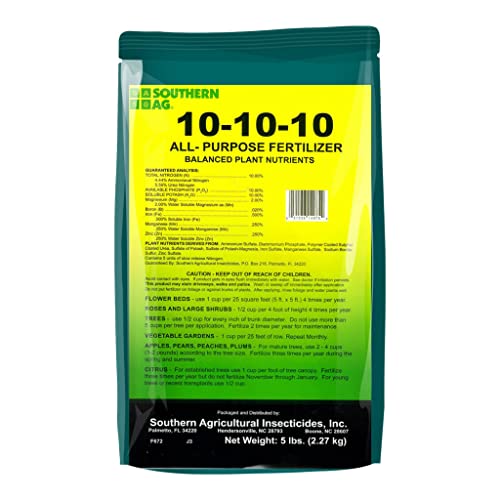

Let our professionally formulated plant food help your fruit tree grow healthy, strong AND abundantly producing
Proper Care and Maintenance
Ensure your mango tree receives full sunlight for at least 6 to 8 hours daily. Sunlight promotes healthy growth and fruit development. Water your tree deeply but infrequently. Mango trees prefer well-drained soil, so let the top inch of soil dry out before watering again.
Regularly check for pests and diseases. Common pests include aphids and scale insects. If detected, use insecticidal soap or neem oil to manage these issues. Pruning your tree also encourages better airflow and light penetration, which helps fruits develop. Aim to prune during the dry season, removing crossing branches and any deadwood.
Fertilization Techniques
Use a balanced fertilizer, such as a 10-10-10 NPK, in early spring before the growing season begins. This ensures your tree gets the nutrients needed to support flowering and fruiting. Apply the fertilizer around the base of the tree, maintaining a distance of about 6 to 12 inches from the trunk to prevent root burn.
Consider using organic fertilizers like compost or well-rotted manure. These improve soil health and promote stronger root systems. Apply organic fertilizers twice a year, once in spring and again in early summer. For optimal results, monitor your tree’s growth and adjust the fertilization schedule according to its response.
Conclusion
Waiting for your mango tree to bear fruit can feel like a test of patience. Knowing that it typically takes 3 to 6 years for most varieties can help you manage your expectations. If you’ve chosen a grafted tree or a dwarf variety you might see those sweet mangoes a bit sooner.
By providing the right care and optimizing your growing conditions you can encourage fruit production. So keep nurturing your tree with love and attention. Before you know it you’ll be enjoying the delicious rewards of your hard work. Happy gardening and here’s to a fruitful future!
Frequently Asked Questions
How long does it take for a mango tree to bear fruit?
Mango trees typically take 3 to 6 years to bear fruit after planting. Grafted varieties may yield fruit sooner, within 3 to 4 years, while those grown from seeds can take longer, about 5 to 6 years. Dwarf varieties may produce fruit in just 2 to 3 years.
What factors affect how quickly a mango tree produces fruit?
The age of the tree and environmental conditions, such as sunlight, temperature, soil quality, and humidity, significantly influence fruit bearing. Grafted trees generally fruit earlier than seed-propagated ones. Proper care also plays a vital role in accelerating growth.
What type of care do mango trees need?
Mango trees thrive in full sun and well-drained soil. They require regular watering but should not be overwatered. Proper fertilization and pruning during the dry season also enhance growth and fruiting potential. Pests and diseases should be monitored frequently.
How tall do mango trees grow?
Mango trees can grow quite tall, generally ranging from 30 to 100 feet. However, there are dwarf varieties that remain smaller and can be more suitable for limited spaces while still producing fruit.
What is the best time for fertilizing mango trees?
The best time to fertilize mango trees is early spring when new growth begins. A balanced fertilizer can be applied, and organic options like compost are also recommended to improve soil health and support robust tree growth.
