

Wondering if you can prune your fruit trees in May? You’re not alone. Many gardeners face the dilemma of timing when it comes to pruning, especially as the growing season kicks into high gear.
You might find yourself looking at those overgrown branches and wondering if now’s the right time to grab your shears. Pruning at the wrong time can affect fruit production and tree health, so it’s essential to know the best practices.
In this article, you’ll discover the ideal timing for pruning fruit trees and the benefits of doing it right. Whether you’re a seasoned gardener or just starting out, you’ll gain valuable insights to keep your trees healthy and productive.
Key Takeaways
- Pruning Timing: The ideal times for pruning fruit trees vary; it’s best done in late winter, spring, or summer, with May being a cautious choice due to potential stress on trees.
- Pruning Techniques: Employ various pruning methods like thinning, heading, and renewal pruning to enhance light penetration, air circulation, and overall tree health.
- Impact of May Pruning: While pruning in May can improve light and airflow, it may also lead to stress, reduced yield, and attract pests if not done correctly.
- Regional Considerations: Pruning schedules are affected by geographic location; northern regions prefer late winter or early spring pruning, while southern and coastal areas may benefit from earlier schedules.
- Proper Tools: Use appropriate tools such as secateurs, loppers, and pole pruners for effective and safe pruning to ensure the longevity of fruit trees.
- Tree Species Matters: Different fruit trees have varied responses to pruning in May; understanding your specific tree’s needs is crucial for optimal growth and fruit production.
The Best Times to Prune Fruit Trees
Pruning fruit trees at the right time promotes healthy growth and enhances fruit production. Here are the optimal times for pruning different types of fruit trees:
Recommended Products

CLEAN CUTS FOR LIVE GROWTH: Bypass blade design is ideal for pruning delicate flower stems and green growth, helping reduce crushing and plant damage while cutting stems and small branches up to 5/8” in diameter
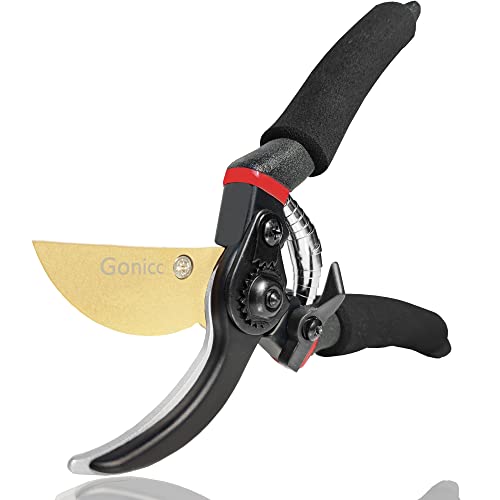
Drop-forged construction delivers exceptional durability and sturdiness for long-term heavy garden use.

IDEAL BRANCH TRIMMER: 28" Steel blade garden bypass lopper that glides through up to 1.5" thick branches for easy cuts; Works well for trimming tree branches to maintain your yard and garden, and to encourage overall plant health and appearance
Winter Pruning
Prune dormant trees in late winter when temperatures remain consistently above freezing.
- Apricots: Early February
- Peaches and Plums: Late February to early March
- Apple and Pear Trees: March
Winter pruning helps reshape the tree, removes dead or diseased branches, and encourages robust growth when spring arrives.
Spring Pruning
Spring pruning occurs after the last frost but before the trees start budding.
- Cherries: Late March to early April
- Citrus Trees: Post-bloom, typically in April
Spring pruning focuses on removing any dead branches that survived winter and thinning out growth to maximize sunlight exposure.
Summer Pruning
Summer pruning aids in controlling the size of the tree and improves air circulation.
- Apples and Pears: July
- Stone Fruits: After harvest, typically late summer
Summer pruning targets excess foliage and helps redirect energy to fruit development.
Fall Pruning
Avoid pruning in the fall since it can stimulate new growth that won’t harden off before winter.
- Exceptions: Emergency pruning of damaged branches
In general, fall provides limited benefits and increases susceptibility to winter damage.
- Tree Type: Different fruit trees have varying pruning schedules.
- Weather Conditions: Avoid pruning during wet conditions to minimize disease risk.
- Tree Age: Young trees require light pruning to establish shape, while mature trees need more extensive pruning for health.
By adhering to these pruning timelines and considerations, you enhance the overall vitality and productivity of your fruit trees.
Pruning Techniques and Methods
Pruning fruit trees effectively involves understanding the types of pruning and the tools required. This knowledge helps you make informed decisions about maintaining your trees.
Types of Pruning
- Thinning: Focuses on removing entire branches to reduce density. It improves light penetration and air circulation, essential for fruit development. For example, when pruning apple trees, remove crowded branches that compete for space.
- Heading: Involves cutting back the tips of branches to encourage new growth. Heading shapes the canopy and promotes bushier growth. For instance, when pruning peach trees, cutting back to a healthy bud can enhance fruit production.
- Renewal Pruning: Targets older wood to stimulate new growth. It is beneficial for trees that have become unproductive. When addressing cherry trees, remove a portion of the oldest branches to replace them with younger, more fruitful ones.
- Maintenance Pruning: Involves routine care throughout the tree’s life. This includes removing dead or diseased branches anytime to ensure the tree remains healthy.
- Secateurs: Ideal for making clean cuts on small branches. Use sharp and bypass secateurs for quick, precise pruning.
- Loppers: Perfect for thicker branches. Loppers extend reach and provide leverage, making it easier to prune higher branches without a ladder.
- Pruning Saw: Necessary for cutting larger branches. Invest in a small pruning saw for effective removal of thick, stubborn limbs.
- Pole Pruner: Allows you to reach tall branches safely. A pole pruner combines a saw and a lopper on a long handle.
- Gloves: Protect your hands from sharp tools and thorns. Choose sturdy gloves for comfort and safety.
- Safety Goggles: Safeguard your eyes from debris. Wearing goggles during pruning keeps you safe from flying wood chips.
By understanding these techniques and having the right tools, you enhance the effectiveness of your pruning efforts, ensuring the longevity and health of your fruit trees.
Impact of May Pruning on Fruit Trees
Pruning fruit trees in May can affect their growth and yield significantly. Understanding the benefits and risks associated with this timing helps you make informed decisions for your garden.
Benefits
- Enhanced Light Penetration: Pruning during May opens up the canopy, allowing sunlight to reach more parts of the tree. This light exposure promotes healthier growth and better fruit development.
- Improved Air Circulation: Removing excess foliage reduces humidity around the branches. Increased airflow decreases the risk of fungal diseases and pest infestations.
- Encouraged New Growth: May pruning stimulates new shoots, which can lead to a more robust flowering and fruiting cycle. When done correctly, this timing supports a bountiful harvest.
- Shape Maintenance: Pruning in May helps maintain the desired shape of the tree. This can improve accessibility for future harvesting and maintenance, making your gardening tasks easier.
- Stressed Trees: Pruning during the active growing season can cause stress, especially if weather conditions are unfavorable. Excessive heat or prolonged rainfall may hinder tree recovery.
- Reduced Fruit Yield: Excessive pruning can remove too many buds, leading to fewer fruits. It’s crucial to balance pruning with maintaining enough buds for a healthy harvest.
- Pest Attraction: Fresh cuts can attract pests, which may harm the tree. Covering cuts with sealants can help prevent insect intrusion and disease.
- Tree Species Sensitivity: Different fruit trees respond differently to May pruning. For example, stone fruits like cherries may not tolerate significant pruning well at this time. Knowing your tree’s specific needs is essential for healthy growth.
- Proper Techniques Required: Using improper pruning techniques may lead to poor results. Always ensure you use clean, sharp tools and follow best practices to minimize damage.
Regional Differences in Pruning Schedules
Pruning schedules for fruit trees vary significantly based on geographic location. Understanding these differences helps you make informed decisions about when to prune effectively.
Northern Regions
In northern climates, late winter or early spring pruning is preferred. Trees are dormant during this time, minimizing stress and promoting healthier growth. If you’re in areas with severe winters, prune before the buds swell but after the harshest cold passes. For example, apple and pear trees thrive when pruned in March, while cherry trees may benefit from April timing.
Southern Regions
Southern regions experience milder winters, which often leads to earlier pruning. Many gardeners prune in late winter, around February, before new growth begins. Citrus trees, for instance, thrive with this timing. Avoid pruning any later than March, as new growth may be damaged by unforeseen cold snaps.
Coastal Areas
Coastal climates can fluctuate significantly in temperature and humidity. Pruning in early spring, just after the last frost, works well for most fruit trees here. Keep an eye out for local conditions; several varieties, like peaches, benefit from a late March to early April schedule.
Mountain Regions
In mountainous areas, pruning can depend heavily on elevation. Late winter, just before the trees wake up, is generally best. Aim for late March to mid-April when the threat of frost decreases. Trees like plums can be pruned around this time to encourage healthy blooms.
- Local Climate: Always check your region’s specific climate conditions.
- Tree Type: Different fruit trees have unique requirements.
- Frost Dates: Stay aware of your area’s last expected frost date to prevent damage.
By recognizing these regional differences, you can time your pruning to align with your fruit trees’ specific needs, fostering healthy growth and maximized yields.
Conclusion
Pruning fruit trees in May can be a bit of a balancing act. While it offers benefits like improved light and air circulation it also comes with risks that could affect your tree’s health and fruit production.
It’s essential to know your tree species and local climate to make the best decision. If you’re considering pruning in May make sure to use the right techniques and tools to minimize stress on your trees.
With a little care and attention you can keep your fruit trees thriving and set yourself up for a bountiful harvest. Happy gardening!
Frequently Asked Questions
Is it okay to prune fruit trees in May?
Pruning fruit trees in May can be beneficial, but timing is crucial. While it improves light and air circulation, it may also stress the tree and reduce fruit yields if not done carefully. Always consider the specific tree species and local climate before pruning.
What are the best times to prune fruit trees?
The ideal times to prune fruit trees are late winter for dormant trees, spring after the last frost, and summer for size control and air circulation. Avoid fall pruning due to the risk of encouraging new growth that may not harden before winter.
What pruning techniques should I use?
Common pruning techniques include thinning, heading, renewal pruning, and maintenance pruning. Each technique addresses specific needs, such as improving light penetration or stimulating growth. Proper technique is essential to promote tree health and fruit production.
What tools do I need for pruning fruit trees?
Essential tools for pruning include secateurs, loppers, pruning saws, pole pruners, gloves, and safety goggles. Using the right tools ensures effective pruning and enhances safety, making the process easier and more efficient.
How does regional climate affect pruning schedules?
Pruning schedules vary by region due to climate differences. Northern areas prefer late winter or early spring, while southern regions may prune earlier. Coastal and mountainous areas also have specific timing needs, so consider local weather and tree types when planning.
What are the risks of pruning in May?
Pruning in May can stress trees and potentially reduce fruit yields if excessive pruning occurs. Additionally, it may attract pests and vary in effects based on tree species. Using proper techniques and moderation can mitigate these risks for better outcomes.
