

Growing Almond Trees in Connecticut requires selecting cold-hardy varieties suited to the region’s climate. The Tuono and Carmel varieties are ideal choices, offering resilience against colder temperatures while producing high-quality nuts.
Selecting Cold-Hardy Almond Varieties
When growing almond trees in Connecticut, choosing the right cold-hardy variety is crucial for successful cultivation. This section will explore specific almond varieties that thrive in colder climates, ensuring that your efforts yield a fruitful harvest despite the challenges posed by the region’s climate. Understanding these options will help you make informed decisions for your almond-growing journey.
Choosing the right almond variety is crucial for successful cultivation in Connecticut. Cold-hardy varieties can withstand the state’s winter temperatures while still producing a good yield.
The Tuono and Carmel almonds are particularly well-suited for this climate. Both varieties have been bred to thrive in cooler conditions, making them reliable options for growers in the Northeast.
Tuono Almond Hardiness and Nut Quality
The Tuono almond variety stands out for its impressive hardiness and exceptional nut quality, making it a suitable choice for Connecticut’s climate. This section delves into the specific characteristics that contribute to the Tuono’s resilience and the flavor profile of its nuts, providing valuable insights for growers in colder regions. Understanding these factors is essential for successful almond cultivation.
The Tuono almond is known for its hardiness and high-quality nut production. This variety features:
Self-fertility which eliminates the need for cross-pollination
Medium to large nuts with a sweet flavor
Early blooming which can be advantageous in warmer springs
The Tuono is also resistant to some common diseases, making it a low-maintenance choice for growers.
Carmel Almond Characteristics for Connecticut
Carmel almonds are a standout choice for Connecticut growers seeking a cold-hardy variety. Known for their adaptability to cooler climates, these almonds produce high-quality nuts with a rich flavor. Understanding their specific characteristics can help ensure successful cultivation in the region’s unique environment.
The Carmel almond is another excellent option for Connecticut growers. Its notable features include:
High yield potential with consistent nut production
Soft shell that is easier to crack
Good flavor profile, appealing to both consumers and processors
Carmel almonds also bloom later than Tuono, reducing the risk of frost damage.
Essential Equipment for Almond Cultivation
Successful almond cultivation in Connecticut requires specific equipment tailored to the unique challenges of the region’s climate. From planting tools to irrigation systems, having the right gear is crucial for ensuring healthy growth and maximizing yields. This section outlines the essential equipment needed for growing cold-hardy almond varieties in this northern environment.
Before planting almond trees, ensure you have the right equipment and supplies. Here’s a checklist to help you get started:
| Item | Purpose |
|---|---|
| Quality Almond Saplings | Starting point for your orchard |
| Soil Testing Kit | Assess soil pH and nutrient levels |
| Mulch | Retain moisture and suppress weeds |
| Drip Irrigation System | Efficient watering method |
| Fertilizers | Provide essential nutrients |
Having these items on hand will streamline the planting and maintenance process.
Recommended Products
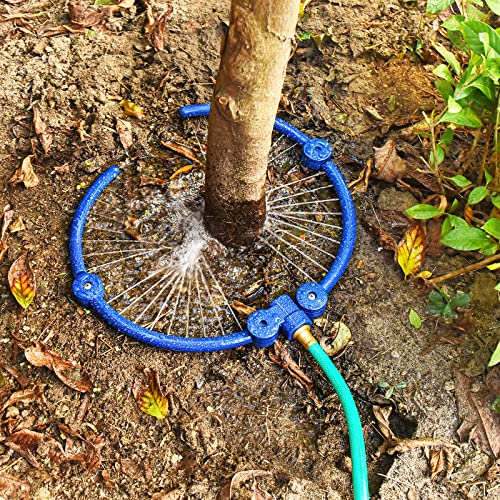
【Specially Designed for Trees and Shrubs】 The Watering Ring is a multi-purpose irrigation ring that attaches to a garden hose to efficiently water young trees shrubs vegetables or flower beds using drip or trickle irrigation.It directs water to the root perimeter of the plant to give them a good start during the first two growing seasons or through periods of drought.

【Complete Drip Irrigation System Kit – Ready to Use】This drip irrigation system kit includes 1/2" 26FT main tubing, 1/4" 75FT distribution tubing, adjustable drip emitters (vortex & spray), connectors, couplers, end plugs, and a faucet adapter—everything needed to build a customized garden watering system right out of the box.

💧 Complete All-in-One Irrigation Kit – Everything You Need in One Box : Includes 40 ft of 1/2” main tubing, 200 ft of 1/4” distribution tubing, 30 precision sprayers (stream drippers, vortex emitters & mist nozzles), plus all connectors and fittings. Easily covers up to 250 sq. ft. in a single line or two 120 sq. ft. zones—perfect for gardens, raised beds, and greenhouses.
Optimal Site Preparation for Almond Trees
Preparing the right site is crucial for successfully growing almond trees in Connecticut’s unique climate. This section will cover essential steps for soil preparation, drainage considerations, and choosing the best location to ensure your cold-hardy almond varieties thrive. Proper site preparation sets the foundation for healthy growth and abundant yields.
Selecting and preparing the right site is vital for almond tree growth. Almonds thrive in well-drained soil with full sun exposure. Follow these steps for site preparation:
Test Soil to determine pH and nutrient levels.
Amend Soil with organic matter to improve drainage.
Clear Area of debris and weeds to reduce competition.
Mark Planting Spots based on the recommended spacing for your chosen variety.
Proper site preparation sets the foundation for healthy tree growth.
Recommended Products

Quick, at home results for Soil pH, Nitrogen, Phosphorous and Potash Innovative and inexpensive soil test kit features an easy-to-use capsule system and patented color comparators

KNOW BEFORE YOU GROW | Grow the healthiest, sustainable lawn and garden with the most accurate and easy to use professional soil test kit on the market

Accurate Soil pH Testing: Dewildetradingco Soil pH Test Strips offer measurements of soil pH levels (pH 3.5-9). As an essential tool for every gardener and grower, these test strips help determine the optimal pH for various plants, such as outdoor plants, indoor plants, gardens, grass lawns, fruit trees, flowers, vegetables, and forest shrubs.
Almond Tree Watering and Maintenance Tips
Proper watering and maintenance are crucial for the successful growth of almond trees in Connecticut’s unique climate. Understanding the specific needs of cold-hardy varieties can help ensure healthy trees that produce abundant nuts. This section offers essential tips for watering and maintaining your almond trees throughout the growing season.
Adequate watering and care are essential for almond tree health. Almond trees require regular watering, especially during dry spells. Key care practices include:
Water deeply to encourage root growth
Mulch around trees to retain moisture
Monitor for pests and diseases regularly
Implementing these practices will help ensure robust tree development and nut production.
Pest and Disease Control for Almonds
Effective pest and disease management is crucial for the successful cultivation of almond trees in Connecticut’s unique climate. Understanding the specific threats these cold-hardy varieties face will help growers implement targeted strategies to protect their crops. This section outlines essential practices and solutions for maintaining healthy almond trees in the region.
Pest and disease management is crucial for maintaining healthy almond trees. Common issues include:
Bacterial blight which can affect leaves and fruit
Nematodes that damage roots
Insect pests like aphids and spider mites
Regular inspection and timely intervention are necessary. Use organic pesticides when possible to minimize environmental impact.
Recommended Products

3-IN-1 GARDEN CARE SPRAY - Earth’s Ally 3-in-1 Plant Spray is a ready-to-use botanical oil spray designed for indoor and outdoor plant care. The houseplant pest spray effectively kills and controls soft-bodied insects and common plant diseases with a synergistic blend of essential oils.

Control diseases and insects in your garden with Captain Jack’s Fruit Tree Spray Concentrate! Use on a variety of listed fruits, nuts and citrus plants.

3-IN-1 GARDEN SPRAY - Earth’s Ally 3-in-1 Plant Spray is an insecticide, miticide and fungicide. The houseplant pest spray effectively kills and controls soft-bodied insects and common plant diseases with a synergistic blend of essential oils.
Optimal Timing for Almond Harvesting
Understanding the optimal timing for harvesting almonds is crucial for maximizing yield and quality, especially in Connecticut’s unique climate. This section will explore the key indicators for determining when to harvest cold-hardy almond varieties, ensuring that growers can achieve the best results from their efforts. Careful attention to timing can significantly influence the flavor and marketability of the nuts.
Timing is critical for harvesting almonds. Nuts should be harvested when they are fully mature but before they fall from the tree. Key indicators include:
Brown hulls indicating ripeness
Hard shells that are difficult to crack
Harvesting at the right time ensures optimal flavor and quality.
Cold-Hardy Almond Tree Cultivation Tips
Growing almond trees in Connecticut is feasible with the right cold-hardy varieties and proper care. The Tuono and Carmel varieties stand out for their resilience and quality. By following best practices in site preparation, watering, and pest management, you can establish a productive almond orchard that thrives in the Northeast climate.
