

Have you ever wondered why your kumquat tree isn’t producing fruit? You’re not alone. Many gardeners face this frustrating situation, especially after nurturing their trees with care and anticipation.
Understanding the reasons behind a kumquat tree’s lack of fruit can save you time and effort. This article will explore common issues like pollination problems, environmental factors, and care techniques that might be holding your tree back. By the end, you’ll have practical tips to encourage your kumquat tree to flourish and bear the delicious fruit you’ve been waiting for.
Key Takeaways
- Pollination Matters: Ensure your kumquat tree is cross-pollinated by planting additional varieties nearby or attracting pollinators to improve fruit production.
- Optimize Environmental Conditions: Provide your kumquat tree with sufficient sunlight (6-8 hours daily) and monitor factors like temperature, soil drainage, and humidity to foster healthy growth.
- Nurture Soil Health: Use well-draining sandy loam with a pH of 5.5 to 6.5 and incorporate organic matter to enhance fertility and support nutrient absorption.
- Maintain Proper Watering Practices: Water your kumquat tree about 1 inch per week, ensuring the soil dries out at the top inch between sessions to prevent root rot.
- Pest Management is Crucial: Regularly inspect your tree for pests like aphids and scales, and implement organic solutions like neem oil to maintain its health and productivity.
- Watch for Seasonal Impact: Be aware that weather conditions and seasonal changes can affect fruiting, so provide consistent care and protection during critical growth periods.
Common Reasons for Kumquat Trees Not Bearing Fruit
Several factors may prevent your kumquat tree from producing fruit. Understanding these reasons can help you take action and encourage fruit development.
Recommended Products

✅ ABOUT PRODUCT- This package contains Fresh 100pcs Orange Kumquat Fruit Trees Seeds Generic , SEEDS ONLY, no live plants.The photos show are the mature plant in the future, not the actual plant you will receive


GRAFTED KUMQUAT TREE: Premium grafted fruit tree that produces kumquats, perfect for fresh eating or culinary use
Improper Pollination
Improper pollination significantly affects fruit production. Kumquat trees often require cross-pollination from different trees for optimal fruit set. If you only have one kumquat tree, it might struggle to produce fruit. Consider planting another kumquat variety nearby to enhance pollination. Additionally, if the tree blooms but doesn’t set fruit, it may lack pollinators like bees. Planting flowers nearby can attract pollinators to improve your kumquat tree’s chances of producing fruit.
Environmental Factors
Environmental factors play a crucial role in the health of your kumquat tree. Temperature fluctuations can hinder fruit formation; kumquats thrive in USDA zones 8-11. Ensure your tree receives full sunlight for at least 6-8 hours daily, as insufficient light impacts blooming. Soil conditions also matter; well-draining, sandy loam promotes growth. Avoid overwatering, which can lead to root rot and affect fruit production. Monitor humidity levels too; too little humidity can impair flower and fruit development. If your area experiences harsh winds, consider providing some protection to help maintain the tree’s health and fruit yield.
Care and Maintenance of Kumquat Trees
Caring for your kumquat tree involves understanding its needs for optimal growth and fruit production. Proper soil, watering practices, and additional care techniques enhance tree health and yield.
Recommended Products
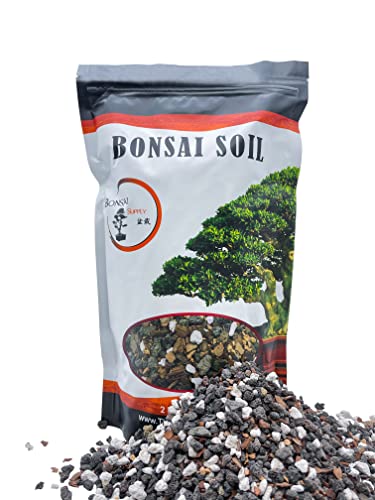
🌱【Ready-to-use Pre-mix】: Simplify repotting your Bonsai and other plants with our premium, fast-draining Bonsai potting soil mix. It comes pre-mixed and sifted for your convenience.

🌿 Premium quality: Gardenera's Kumquat Soil Mix is made with the highest quality, hand-picked ingredients to ensure your kumquat trees receive the optimal growing environment they need to thrive.

Enhanced Growth Benefits: Supports optimal plant health with superior aeration, effective drainage, excellent nutrient retention, and a balanced pH – everything citrus plants need to thrive.
Soil Requirements
Kumquat trees thrive in well-draining, sandy loam soil. Use soil with a pH range of 5.5 to 6.5, as this acidity fosters nutrient absorption. Incorporate organic matter, such as compost, to improve soil structure and fertility. Avoid heavy clay soils that retain water and increase the risk of root rot.
Watering Practices
Water your kumquat tree regularly, especially during dry spells. During the growing season, the tree needs about 1 inch of water per week. Water at the root zone rather than overhead to prevent fungal diseases. Allow the top inch of soil to dry out between waterings. Adjust your watering schedule during the fruiting season, as fruits require ample moisture for proper development.
Pest and Disease Management
Managing pests and diseases effectively is essential for your kumquat tree’s health and productivity. Unchecked infestations can lead to poor fruit yields, so understanding common issues helps you take action.
Recommended Products

FUNGAL DISEASE CONTROL: Prevents and controls black spot on roses, powdery mildew, rust, downy mildew, and other listed fungal diseases when applied on a 7–14 day schedule

FOR ORGANIC GARDENING - Captain Jack's NeemMax is a perfect pest control solution for any garden dealing with mites, flies, mildew, and more. This product is a four-in-one insecticide, fungicide, miticide, and nematicide.

FOR ORGANIC GARDENING: Use in & around the home & garden on roses, flowers, houseplants, ornamental trees & shrubs, fruits & vegetables
Common Pests Affecting Kumquat Trees
- Citrus Leafminers: These pests create tunnels in leaves, causing damage that can hinder photosynthesis. Look for wavy lines on leaves as a sign of infestation.
- Aphids: Aphids suck the sap from your tree, leading to wilted leaves and distorted growth. Check for clusters of small, soft-bodied insects on young leaves and stems.
- Scale Insects: Scale covers appear as small bumps on branches and leaves. They can weaken your tree by sucking its sap. Gently wipe the affected areas to confirm their presence.
- Spider Mites: These tiny pests create fine webs and cause yellowing leaves. If your tree looks dusty or speckled, inspect it for these mites.
- Citrus Thrips: Thrips damage fruit and leaves, leading to scarring. Monitor for distorted and discolored fruit.
- Regular Inspection: Check your kumquat tree weekly for signs of pests. Early detection makes control easier.
- Encourage Beneficial Insects: Attract ladybugs and lacewings to your garden; they eat aphids and other pests. Plant flowers like marigolds and daisies.
- Maintain Tree Health: A strong tree is less susceptible to pests. Fertilize regularly and water appropriately to enhance its resilience.
- Use Organic Insecticides: If pests appear, treat them with neem oil or insecticidal soap. These options minimize harm to beneficial insects.
- Pruning: Remove dead or infested branches to improve airflow and reduce pest hiding spots. Prune during the dormant season for best results.
Keeping your kumquat tree healthy requires vigilance. Regular checks and effective measures will help you enjoy a bountiful harvest.
Seasonal Considerations
Understanding seasonal influences helps you diagnose why your kumquat tree may not be bearing fruit. The changing seasons affect various aspects of tree growth and fruiting potential.
Impact of Seasons on Fruit Production
Weather patterns throughout the year influence the health and productivity of kumquat trees. Warm, stable temperatures encourage flowering, while cold snaps can damage buds. Spring typically brings blossoming; however, unexpected frosts in late spring may hinder fruit formation. Consistent watering and protection from extreme weather also play a role in supporting fruit set during these changes.
When to Expect Fruit
Kumquat trees generally produce fruit once a year, usually around late fall to early winter, following the blooming periods in spring. After proper pollination and favorable conditions, expect fruit to develop within six to eight months. For a productive kumquat tree, ensure proper care, such as regular watering and fertilization, to facilitate fruit growth during this time frame.
Conclusion
If your kumquat tree isn’t bearing fruit don’t lose hope. With a little patience and attention to its needs you can turn things around. Make sure you’re providing the right conditions for pollination and consider planting another variety nearby to boost your chances.
Pay close attention to environmental factors like sunlight and soil quality since these play a huge role in your tree’s health. Regular care and monitoring for pests will also keep your kumquat tree thriving.
By addressing these aspects you’ll be well on your way to enjoying a fruitful harvest in no time. Happy gardening and may your kumquat tree flourish!
Frequently Asked Questions
Why isn’t my kumquat tree producing fruit?
Kumquat trees may not produce fruit due to improper pollination, environmental factors, or inadequate care. Ensuring cross-pollination by planting another kumquat variety nearby can help. Additionally, temperature fluctuations, sunlight, soil conditions, and humidity play vital roles in fruit production.
What soil type is best for kumquat trees?
Kumquat trees thrive in well-draining sandy loam soil with a pH level between 5.5 and 6.5. Adding organic matter can improve soil fertility and provide the nutrients these trees need for optimal growth and fruit yield.
How often should I water my kumquat tree?
During the growing season, kumquat trees require about 1 inch of water per week. It’s important to allow the top inch of soil to dry out before watering again to prevent overwatering and root rot.
What pests should I watch for on kumquat trees?
Common pests affecting kumquat trees include citrus leafminers, aphids, scale insects, spider mites, and citrus thrips. Regular inspections can help you identify these pests early and manage any infestations effectively.
When do kumquat trees produce fruit?
Kumquat trees generally bear fruit once a year, typically from late fall to early winter. After blooming in spring, proper care, including consistent watering and fertilization, is crucial to support fruit growth during this time.
