

Are you dreaming of a lush backyard filled with fresh fruit? If you live in USDA Hardiness Zone 8b, you’re in luck! This zone offers a warm climate that’s perfect for a variety of fruit trees, but knowing which ones thrive can be tricky.
Key Takeaways
- Ideal Climate for Fruit Trees: Zone 8b offers a warm, temperate climate with 210 to 250 frost-free days, making it perfect for a variety of fruit trees.
- Popular Fruit Tree Varieties: Thriving options include apple trees (Fuji, Gala, Honeycrisp), peach trees (Elberta, Redhaven, O’Henry), and berry bushes (blueberries, raspberries, blackberries).
- Extended Growing Season: The long growing season allows fruit trees to mature and produce ample harvests, enhancing the gardening experience.
- Diverse Crop Choices: Gardeners can select from a wide range of fruit trees and bushes to match personal tastes and landscape aesthetics.
- Essential Care Practices: Consistent watering, balanced fertilization, annual pruning, and pest monitoring are crucial for maintaining healthy and productive fruit trees in Zone 8b.
Overview of Zone 8b Climate
Zone 8b features a warm, temperate climate ideal for growing a variety of fruit trees. The average minimum winter temperature ranges from 15°F to 20°F. This relatively mild temperature allows for extended growing seasons, giving you more opportunities to nurture fruit plants.
Zone 8b receives approximately 210 to 250 frost-free days each year. This timeframe ensures that many tree varieties can thrive without risk of frost damage. The humidity levels are moderate, which helps maintain plant moisture without excessive water stress.
Rainfall in Zone 8b falls between 35 to 50 inches annually, providing ample irrigation. However, it’s essential to monitor soil moisture, as some seasons might be drier than others.
Soil types in this zone can vary from sandy to clay. Regular soil testing helps determine necessary amendments to optimize growth. Ensuring proper drainage also promotes healthy root systems, so consider elevating your planting areas if you face drainage challenges.
Understanding these climatic factors aids in selecting suitable fruit trees. When choosing, consider your preferences for flavor, size, and use of the fruit, along with the light and water requirements of each type.
Popular Fruit Trees for Zone 8b
Many fruit trees thrive in Zone 8b, taking advantage of the warm temperatures and ample growing days. Here are some valuable options:
Recommended Products

USDA Hardiness Zones: Typically Zones 5-9

Live Contender Peach Tree – Cold-hardy, fruit-bearing tree known for producing large, sweet, and juicy yellow-fleshed peaches with vibrant orange-red skin

Product Quantity: Five+ dwarf peach tree seeds per packet; Premium selection for optimal viability; Perfect for starting your own backyard orchard
Apple Trees
Apple trees flourish in Zone 8b, especially when planted in well-draining soil and full sun. Popular varieties include:
- Fuji: Known for its sweet taste and crisp texture.
- Gala: Great for fresh eating with a mild flavor.
- Honeycrisp: Offers a unique sweetness and excellent crunch.
When planting, space them about 15 to 20 feet apart for optimal growth and airflow. Consider cross-pollinating with another apple variety to enhance fruit production.
Peach Trees
Peach trees thrive in the warm climate of Zone 8b. Choose from varieties such as:
- Elberta: A classic, providing juicy fruit with a smooth skin.
- Redhaven: Known for its early harvest and great flavor.
- O’Henry: A freestone peach with great sweetness.
Plant peach trees in a sunny spot, spacing them 15 to 25 feet apart. Heavy fertilization in early spring can support healthier growth and larger yields.
Berry Bushes
Berry bushes add flavor and variety to your garden. Consider the following types:
- Blueberries: Prefer acidic soil; plant multiple varieties for better pollination.
- Raspberries: Thrive in well-drained soil; can produce fruit twice a season.
- Blackberries: Hardy and prolific, perfect for jams and desserts.
Plant these bushes in rows about 3 feet apart for maintenance ease. Water consistently and consider mulching to retain soil moisture.
Advantages of Growing Fruit Trees in Zone 8b
Growing fruit trees in Zone 8b offers several benefits due to the region’s favorable climate and environmental conditions. You can enjoy a bountiful harvest and enhance your landscape with beautiful trees.
Recommended Products
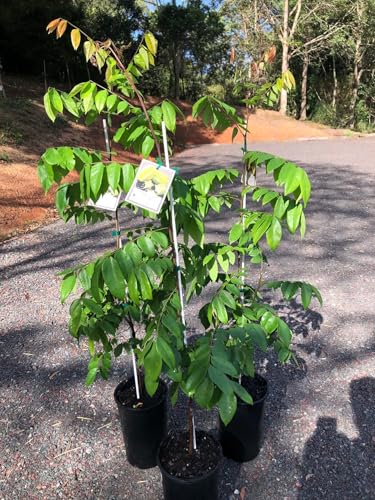
Starfruit Tree Live Carambola Tree You will receive the tree, no the fruit

The Russian Pomegranate tree lives up to its name with its edible fruit, showy flowers, and low amount of overall maintenance. This Fruit tree is a joy to grow in any warm outdoor landscape.

🌳 3-Pack Fruit Tree Bundle Includes live apple, blueberry, blackberry trees—perfectly paired for a diverse and productive backyard orchard.
Extended Growing Season
Zone 8b features a long growing season, typically spanning 210 to 250 frost-free days. This extended duration allows fruit trees to mature and produce an abundance of fruit. For instance, trees like peaches and apples can develop fully and yield fresh fruit in late summer to early autumn. You can start planting earlier in spring and continue growing later into the fall, maximizing your harvest potential.
Variety of Choices
You can choose from a wide array of fruit trees that thrive in Zone 8b. Ideal options include:
- Apple Trees: Varieties like Fuji, Gala, and Honeycrisp are popular for their flavor and versatility.
- Peach Trees: Elberta, Redhaven, and O’Henry deliver juicy peaches perfect for eating or baking.
- Citrus Trees: Lemons, limes, and oranges grow well and add zest to your garden.
- Berry Bushes: Blueberries, raspberries, and blackberries provide delicious, nutritious fruit options.
Diverse choices allow you to select fruits that best match your taste and preferences. You can design a garden that blooms beautifully throughout the seasons, providing food and aesthetic value year-round.
Care and Maintenance Tips for Zone 8b Fruit Trees
Caring for fruit trees in Zone 8b requires a strategic approach to ensure vibrant growth and healthy yields. Here are critical aspects to focus on for successful maintenance.
Recommended Products

Made for Lemon & Citrus Trees – Formulated to support healthy growth in lemon and citrus plants.

Let our professionally formulated plant food help your fruit tree grow healthy, strong AND abundantly producing
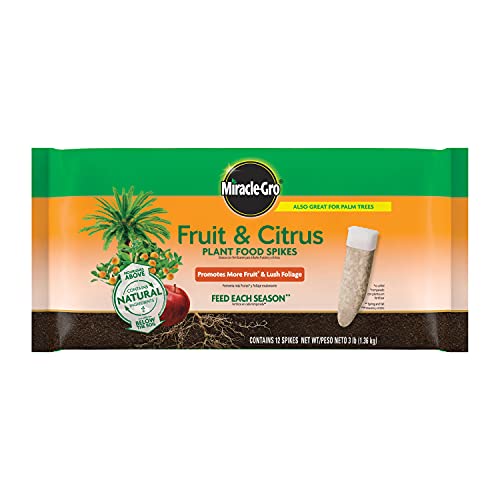
FORMULATED FOR CITRUS AND FRUIT TREES: Use these citrus fertilizer spikes on apple, orange, lemon, lime, and avocado trees; this formula is also great for feeding palm trees
Watering and Fertilization
Water consistently during dry spells, especially in the summer months. Deep watering encourages deep root growth; aim for one inch of water per week.
Use a balanced fertilizer in early spring when trees begin to bud. For example, a 10-10-10 NPK (Nitrogen, Phosphorus, Potassium) fertilizer works well. Apply according to package instructions, typically around one cup per foot of height.
Monitor tree health for signs of nutrient deficiency, such as yellowing leaves. If observed, adjusting your fertilization strategy can restore nutrient balance.
Pruning and Pest Control
Prune fruit trees annually in late winter or early spring before new growth begins. Focus on removing dead or crossing branches to improve air circulation. Thin out excessive fruit clusters for better quality fruit.
Monitor for pests such as aphids and spider mites. Use organic insecticidal soap for a safe, effective treatment. Regular inspections help catch infestations early.
Encourage beneficial insects, like ladybugs, which help control pests naturally. Planting marigolds or dill nearby can attract these helpful allies.
Engage actively in the care of your fruit trees to promote optimal health and productivity.
Conclusion
Growing fruit trees in Zone 8b can transform your backyard into a vibrant oasis. With the right selection and care you can enjoy a bountiful harvest of delicious fruits. Whether you choose apples peaches or citrus there’s a tree that’s perfect for your space.
Remember to pay attention to soil conditions and water needs to ensure your trees thrive. Regular maintenance like pruning and pest monitoring will keep your garden healthy and productive. So get ready to dig in and enjoy the rewards of your hard work. Your fruitful paradise awaits!
Frequently Asked Questions
What is USDA Hardiness Zone 8b?
USDA Hardiness Zone 8b is a climate classification indicating areas with average minimum winter temperatures between 15°F and 20°F. This zone has a warm climate favorable for growing a variety of fruit trees and plants.
Which fruit trees can I grow in Zone 8b?
Popular fruit trees for Zone 8b include apple varieties like Fuji, Gala, and Honeycrisp, as well as peach varieties such as Elberta, Redhaven, and O’Henry. Citrus trees like lemons, limes, and oranges also thrive in this climate.
How many frost-free days are there in Zone 8b?
Zone 8b enjoys approximately 210 to 250 frost-free days each year, providing an extended growing season that allows for abundant fruit harvests and diverse plant selections.
What soil conditions are ideal for growing fruit trees in Zone 8b?
Fruit trees in Zone 8b prefer well-drained soil with moderate moisture levels. It’s important to consider soil types and ensure appropriate drainage to optimize growth.
How should I care for my fruit trees in Zone 8b?
Care for fruit trees in Zone 8b includes consistent watering, especially during dry spells, applying balanced fertilizers in early spring, and annual pruning for better air circulation and fruit quality.
Do I need to cross-pollinate apple trees in Zone 8b?
Yes, many apple tree varieties require cross-pollination to bear fruit effectively. Planting compatible varieties nearby can enhance fruit set and yield.
What types of berries grow well in Zone 8b?
Berries like blueberries, raspberries, and blackberries thrive in Zone 8b. Proper planting arrangements and maintenance will promote their healthy growth and productivity.
How do I protect my fruit trees from pests?
To protect fruit trees from pests, monitor for signs of infestation, encourage beneficial insects, and consider natural pest control methods. Regular checks can help maintain tree health and productivity.
