

Have you ever dreamed of picking fresh fruit right from your backyard? If you live in North Carolina, you’re in luck! The state’s diverse climate makes it a fantastic place for growing a variety of fruit trees.
Key Takeaways
- Diverse Options: North Carolina’s climate supports a variety of fruit trees, including apples, peaches, pears, cherries, and figs, each thriving in different growing conditions.
- Optimal Growth Conditions: Fruit trees prefer sunny locations with well-drained soil and should receive 6-8 hours of direct sunlight daily for best results.
- Planting Times: The ideal times for planting most fruit trees in North Carolina are in early spring (late March to early May) or early fall (late September to early November).
- Soil Considerations: Testing soil pH is crucial, with a slightly acidic range of 6.0 to 6.8 being beneficial for many fruit varieties; organic matter can enhance soil quality.
- Maintenance Practices: Regular watering, annual pruning, and early spring fertilization are key to maintaining healthy fruit trees and maximizing production.
- Pest Management: Monitoring for pests and applying treatments as necessary helps mitigate risks to fruit tree health, allowing for a more fruitful harvest.
Overview Of Fruit Trees In North Carolina
North Carolina hosts a fantastic range of fruit trees suited to its varied climate. Understanding which trees thrive can help you make the best choices for your garden.
Common Fruit Trees
- Apple Trees: Apple varieties such as ‘Fuji’ and ‘Gala’ flourish. They’re adaptable and produce fruit in late summer to early fall.
- Peach Trees: Both ‘Clingstone’ and ‘Freestone’ peaches grow well. They typically bear fruit from late June to early September.
- Pear Trees: Varieties like ‘Bartlett’ and ‘Kieffer’ are popular. Pears grow in late summer and early fall stages.
- Cherry Trees: Sweet cherries, such as ‘Bing,’ thrive in North Carolina’s warmer climates. Expect harvests in late spring to early summer.
- Fig Trees: Common types like ‘Brown Turkey’ offer delicious fruit from mid-summer through early fall.
Best Conditions for Growth
Fruit trees often prefer sunny spots, ideally getting six to eight hours of direct sunlight daily. Well-drained soil is crucial for root health. If your garden soil is heavy clay, consider raised beds or amending with organic matter.
Maintenance Tips
- Watering: Keep soil moist, especially during dry spells. Young trees usually require more frequent watering.
- Pruning: Annual pruning promotes healthy growth and enhances fruit production. Focus on removing dead wood and shaping the tree.
- Fertilizing: Apply a balanced fertilizer in early spring. Follow product guidelines for specific quantities.
Recommended Planting Times
- Spring Planting: Late March through early May suits most varieties.
- Fall Planting: Late September to early November provides root establishment before winter.
Pest and Disease Management
Monitor for common pests like aphids and scale. Use natural remedies or pesticides when infestations occur. Fungal diseases, such as leaf spot, can also affect trees. Good air circulation and pruning help reduce these risks.
Popular Fruit Trees
North Carolina offers a variety of fruit trees that thrive in its unique climate. Here are some of the most popular options, each well-suited for your backyard.
Recommended Products

Thrives in well-drained soil, ensuring optimal growth conditions and longevity.

Product Quantity: Five+ dwarf peach tree seeds per packet; Premium selection for optimal viability; Perfect for starting your own backyard orchard
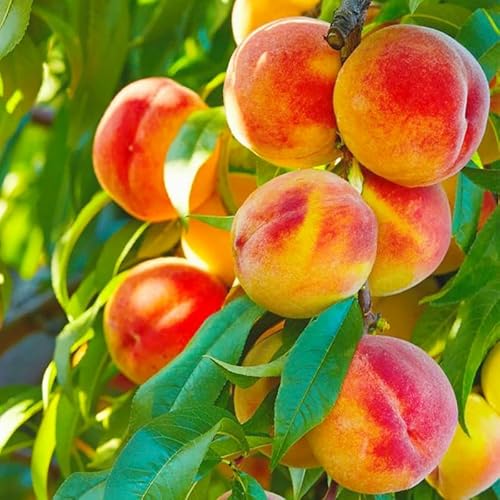
Peach trees produce fruit with multiple applications. The fruit can be enjoyed fresh and is also suitable for making jams, preserves, pies, and fruit salads.
Apple Trees
Apple trees adapt well to North Carolina’s climate. You can grow several varieties, including Fuji, Gala, and Granny Smith. These trees prefer full sunlight and require well-drained soil. Plant them in early spring or fall for the best results. Expect a harvest between late summer and early fall, depending on the variety.
Peach Trees
Peach trees flourish in the warmth of North Carolina. Select varieties like Elberta or Redhaven for optimal growth. They enjoy sunny spots and thrive in slightly acidic, well-drained soil. Planting should happen in spring after the last frost. Enjoying fresh peaches is possible from mid-summer to early fall.
Blueberry Bushes
Blueberry bushes thrive in North Carolina’s acidic soil. Choose varieties like Bluecrop or Tifblue for best results. These bushes prefer full sun and well-drained soil. They benefit from mulching to retain moisture. Plant them in early spring, and you’ll reap the rewards from late spring through summer. Blueberries are not only delicious but also packed with antioxidants.
Incorporating these fruit trees into your landscape enhances beauty and provides delicious, homegrown produce.
Climate Considerations
Understanding climate considerations is essential for successful fruit tree cultivation in North Carolina. The state’s diverse climate allows various fruit trees to thrive, but specific factors affect their growth.
Recommended Products

FORMULATED FOR CITRUS AND FRUIT TREES: Use these citrus fertilizer spikes on apple, orange, lemon, lime, and avocado trees; this formula is also great for feeding palm trees

Used Book in Good Condition

Made For Potted Citrus Trees: Our citrus potting soil mix is made for potted lemon, lime, orange and other citrus trees that need a lighter growing medium for repotting. We double-screen all of our raw ingredients to support a cleaner, more consistent texture for pouring and repotting potted citrus trees.
USDA Hardiness Zones
North Carolina spans USDA Hardiness Zones 6 to 8. These zones indicate the average minimum temperatures in your area, helping you choose suitable fruit trees. Zone 6 can experience winter lows of -10 to 0°F, while Zone 8 sees lows of 10 to 20°F. For instance, apple trees flourish in Zones 5 to 8, while peach trees thrive in Zones 6 to 9. Check your local hardiness zone to select the right varieties for success.
Soil Types
Soil type influences the growth of fruit trees. North Carolina has a range of soil types, including sandy, clay, and loamy soils. Most fruit trees prefer well-drained, loamy soil enriched with organic matter for optimal growth. For example, apple trees do well in sandy loam, while fig trees thrive in lighter, well-drained soils. Test your soil’s pH, aiming for a slightly acidic range of 6.0 to 6.8 for many fruit varieties. Amending your soil with compost can improve its structure and nutrient availability, enhancing your fruit tree’s health.
Planting And Care Tips
Growing fruit trees in North Carolina requires attention to specific practices. This ensures healthy trees and bountiful harvests.
Recommended Products

Accurate Soil pH Testing: Dewildetradingco Soil pH Test Strips offer measurements of soil pH levels (pH 3.5-9). As an essential tool for every gardener and grower, these test strips help determine the optimal pH for various plants, such as outdoor plants, indoor plants, gardens, grass lawns, fruit trees, flowers, vegetables, and forest shrubs.

Kindly NOTE: This soil tester can not be applied to test pH value of any other liquid. If the soil is too dry the indicator will not move, and water it before testing.

KNOW BEFORE YOU GROW | Grow the healthiest, sustainable lawn and garden with the most accurate and easy to use professional soil test kit on the market
Best Planting Practices
- Choose the Right Location: Select a spot with full sun exposure for at least six hours daily. Aim for well-drained soil, avoiding low areas where water tends to collect.
- Test Your Soil: Conduct a soil test to determine pH levels. Ideal levels range from 6.0 to 6.8. Amend the soil with compost as necessary to enhance fertility.
- Plant at the Right Time: Plant deciduous trees in early spring or fall. For instance, apple and cherry trees thrive when planted during these times to encourage root establishment before harsher weather.
- Dig a Proper Hole: Create a hole twice as wide and as deep as the root ball. Loosen the surrounding soil to promote root growth. Ensure the graft union remains above soil level.
- Water Regularly: Keep young trees well-watered, especially during dry spells. Deep watering encourages strong root systems.
- Fertilize annually: Apply a balanced fertilizer in early spring. Look for products labeled for fruit trees to provide essential nutrients.
- Prune Wisely: Annual pruning improves air circulation and sunlight exposure. Remove dead or crossing branches. Aim for an open center to allow light penetration.
- Monitor for Pests: Check for pests regularly, such as aphids or spider mites. Utilize organic insecticides or neem oil for control, ensuring sustainable practices.
By following these practices, you’ll promote healthy fruit trees suited for North Carolina’s climate, leading to a fruitful garden.
Conclusion
Growing fruit trees in North Carolina is a rewarding endeavor that brings both beauty and delicious produce to your backyard. With the right care and attention you can enjoy a bountiful harvest from a variety of trees suited to your local climate.
Whether you’re planting apples peaches or blueberries the key is to provide them with the right conditions and maintenance. Embrace the joy of nurturing your trees and watch as they flourish season after season.
So grab your gardening gloves and get ready to create your very own fruitful oasis right at home. Happy planting!
Frequently Asked Questions
What types of fruit trees grow well in North Carolina?
North Carolina’s diverse climate supports various fruit trees, including apple, peach, pear, cherry, and fig. These trees thrive due to the state’s ample sunlight and well-drained soil, making them suitable for backyard cultivation.
When is the best time to plant fruit trees in North Carolina?
The ideal planting times for fruit trees in North Carolina are early spring and fall. Planting during these seasons helps ensure better establishment and growth before the extreme temperatures of summer and winter.
How do I maintain my fruit trees?
To maintain your fruit trees, provide proper watering, annual pruning, and regular fertilization. Monitor for pests and diseases, and use sustainable management practices to keep your trees healthy and productive.
What type of soil do fruit trees prefer?
Fruit trees prefer well-drained, loamy soil enriched with organic matter. Testing the soil pH is crucial, as most fruit trees thrive in a slightly acidic range of 6.0 to 6.8 for optimal growth.
How can I manage pests and diseases in my fruit trees?
To manage pests and diseases, regularly inspect your trees for signs of trouble. Use sustainable control methods such as beneficial insects, organic sprays, and proper sanitation practices to keep your trees healthy.
What is the average harvest time for North Carolina fruit trees?
Harvest times vary by tree type. For instance, apple trees yield fruit from late summer to early fall, while peach trees produce from mid-summer to early fall. Timing depends on the specific fruit variety and local climate conditions.
Can I grow blueberry bushes in North Carolina?
Yes, blueberry bushes thrive in North Carolina, especially in acidic soil and full sun. It’s best to plant them in early spring for a fruitful harvest from late spring through summer.
Why is sunlight important for fruit tree growth?
Sunlight is crucial for fruit tree growth as it supports photosynthesis, which helps trees produce energy. Fruit trees need full sun exposure for at least six hours daily to thrive and maximize fruit production.
