

Have you ever wondered how long it takes for a kiwi to grow from a tiny seed to a lush, fruit-bearing vine? Picture this: you’re strolling through a sun-kissed orchard, surrounded by the sweet aroma of ripening kiwis. But do you know the time and patience it takes for those delicious fruits to reach your plate?
In this article, we’ll explore the fascinating journey of kiwi growth, from planting the seed to harvesting the fruits. By understanding the timeline and stages of kiwi development, you’ll gain valuable insights into nurturing these exotic vines in your own garden. So, if you’re eager to cultivate your own kiwis or simply curious about nature’s timeline, this article is your go-to guide for all things kiwi growth. Let’s dive into the world of kiwis and unlock the secrets of their growth process together.
Key Takeaways
- Climate conditions, watering, soil quality, sunlight exposure, pruning, and pollination are key factors influencing the growth of kiwi plants.
- Understanding the growth stages of kiwi plants – germination, vegetative growth, flowering, fruit development, and harvesting – is essential for successful cultivation.
- Optimal conditions for kiwi growth include providing sufficient sunlight, consistent watering, maintaining soil quality, proper pruning, and ensuring pollination.
- Common challenges in kiwi growth include pest infestations, diseases, poor pollination, nutrient deficiencies, watering issues, and climate challenges.
- By addressing these challenges effectively and optimizing growth conditions, you can nurture healthy kiwi plants and enjoy a plentiful harvest of flavorful fruits.
Factors Affecting Kiwi Growth
When it comes to the growth of kiwi plants, various factors play crucial roles in determining how quickly your kiwis will develop into mature, fruit-bearing vines. Understanding these factors can help you optimize the growth conditions for your kiwi plants. Here are some key elements that influence the growth of kiwi plants:
Recommended Products

Material & Durability: Compatible for grape vine support, crafted from quality PP material for reusability, resistance to breakage, and easy distortion on vines without slipping when clipped to trellising twine.

This grape vine support is made of quality PP material, Can be reused,not easy to break,can be easily distorted and on the vine.Easily clips to trellising twine and doesn't slip.
1. Climate Conditions
The climate in which you grow your kiwi plants significantly impacts their growth rate. Kiwis thrive in temperate climates with cool winters and warm summers. Extreme temperatures can hinder growth, so ensure your kiwi plants are in a location with stable temperatures that mimic their natural habitat.
2. Watering and Irrigation
Proper watering is essential for the healthy growth of kiwi plants. Kiwis require consistent moisture, especially during the growing season. Be mindful not to overwater or underwater your plants, as both can stunt growth and affect fruit production. A well-established irrigation system can help maintain the ideal soil moisture levels for optimal growth.
3. Soil Quality
The quality of the soil directly impacts the growth and development of kiwi plants. Kiwis prefer well-draining, loamy soil rich in organic matter. Conduct a soil test to check for pH levels and nutrient content, making amendments as necessary to create the optimal growing environment for your kiwi vines.
4. Sunlight Exposure
Sunlight plays a vital role in the photosynthesis process of kiwi plants, driving their growth and fruit production. Ensure your kiwi vines receive adequate sunlight, ideally 6-8 hours of direct sunlight daily. Lack of sunlight can lead to poor growth and lower fruit yield, so position your plants in a sunny location for optimal results.
5. Pruning and Training
Proper pruning and training techniques are essential for shaping the growth of kiwi plants. Regular pruning helps manage vine growth, promotes airflow, and enhances fruit production. Train your kiwi vines on trellises or wires to support their growth and ensure efficient space utilization in your garden.
6. Pollination
Kiwi plants require proper pollination to set fruit successfully. While some kiwi varieties are self-fertile, others may need cross-pollination from male and female plants. Understand the pollination requirements of your kiwi variety to ensure fruitful growth and a bountiful harvest.
Growth Stages of Kiwi Plant
Understanding the growth stages of a kiwi plant is crucial for successful cultivation. Here’s a breakdown of the key stages you can expect:
Germination and Seedling Stage
When you plant kiwi seeds, the germination process begins. It usually takes around 14 to 21 days for kiwi seeds to germinate. During this stage, the seedlings develop their first set of true leaves and start establishing a root system.
Vegetative Growth Stage
After germination, the kiwi plant enters the vegetative growth stage. This period is characterized by rapid leaf and stem development. Kiwi plants require ample sunlight, proper watering, and a nutrient-rich soil to thrive during this stage. It generally lasts for the first 1-2 years of the plant’s life.
Flowering Stage
Once the kiwi plant has matured sufficiently, it transitions into the flowering stage. This typically occurs when the plant is 3-4 years old, though it can vary based on the cultivar and growing conditions. During this stage, the plant produces delicate white flowers that are essential for fruit set.
Fruit Development Stage
Following successful pollination, the flowers give way to small, hairy fruits that gradually develop into familiar kiwi fruits. It takes around 5-7 months for the fruits to reach maturity after pollination. Factors such as temperature, sunlight, and appropriate pruning play a vital role in fruit development.
Harvesting Stage
The final stage of the kiwi plant’s growth cycle is harvesting. Harvesting time varies depending on the kiwi variety, but generally occurs in the fall when the fruits are ripe. It’s essential to harvest kiwis at the right moment to ensure optimal taste and quality.
By understanding these growth stages, you’ll be better equipped to nurture your kiwi plant through each phase of its development, leading to a bountiful harvest of delicious fruits.
Optimal Conditions for Kiwi Growth
To ensure successful kiwi growth and a bountiful harvest of delicious fruits, it’s crucial to create and maintain optimal conditions for your kiwi plants. By optimizing various factors, you can support the plant through its growth stages and maximize its productivity. Here are the key conditions you need to focus on:
Recommended Products

MATURE SIZE & CARE GUIDE: Vine can reach up to 30 feet, suited for USDA Hardiness zones 8-10. Requires full sun and well-drained soil with average watering needs. Ensure proper care during the fall/winter dormancy period, providing protection from extreme cold and keeping on the drier side.

Live Plants for Planting 🪴 – Includes 4 rooted male Tomuri kiwi vines, perfect for backyard gardens or small orchards.

Can only ship plants bare-root (no soil or pot) to CA. Cannot ship culinary seeds to CA.
Sunlight
- Provide your kiwi plants with full sun exposure for at least 6 to 8 hours a day.
- Kiwi plants thrive in sunny locations that receive ample sunlight, which is essential for their growth and fruit development.
Watering
- Consistent watering is vital, especially during the flowering and fruit development stages.
- Ensure the soil is moist but not waterlogged to support healthy growth and prevent issues like fruit drop.
Soil Quality
- Kiwi plants prefer well-draining, fertile soil with a pH level between 6.0 and 6.5.
- Consider conducting a soil test to assess the pH level and nutrient content, and amend the soil if necessary to create an ideal growing environment.
Pruning
- Regular pruning is essential to promote airflow and sunlight penetration within the plant canopy.
- Prune your kiwi plants during the dormant season to remove dead or overcrowded branches and encourage new growth.
Pollination
- Kiwi plants typically require cross-pollination between male and female plants to set fruit.
- Ensure you have both male and female plants in close proximity to facilitate natural pollination and fruit development.
- Consider mulching around the base of the plants to conserve moisture and suppress weeds.
- Protect young kiwi plants from extreme temperatures and frost by providing adequate shelter or cover during cold spells.
By adhering to these optimal conditions and providing attentive care to your kiwi plants, you can set the stage for a successful growth journey and enjoy a plentiful harvest of flavorful kiwi fruits.
Common Challenges in Kiwi Growth
When cultivating kiwi plants, you may encounter some common challenges that can affect their growth and development. Understanding these issues can help you address them effectively and ensure the healthy growth of your kiwi plants. Here are some of the challenges you may face:
- Pest Infestations
- Kiwi plants are susceptible to pest infestations, including aphids, spider mites, and vine weevils. These pests can cause damage to the leaves and fruits of the plant, affecting its overall health and growth.
- Disease
- Kiwi plants can be affected by various diseases such as root rot, bacterial canker, and powdery mildew. These diseases can weaken the plant, impact fruit production, and even lead to plant death if not properly managed.
- Poor Pollination
- Adequate pollination is crucial for kiwi plants to set fruit. Factors such as inadequate pollinators, unsuitable weather conditions, or lack of compatible pollination partners can hinder the pollination process, resulting in poor fruit development.
- Nutrient Deficiency
- Kiwi plants require essential nutrients like nitrogen, potassium, and phosphorus for healthy growth. Nutrient deficiencies can lead to stunted growth, yellowing leaves, and reduced fruit production.
- Watering Issues
- Overwatering or underwatering kiwi plants can have detrimental effects on their growth. Improper watering practices can result in root rot, wilting, or nutrient leaching, impacting the overall health of the plant.
- Climate Challenges
- Kiwi plants thrive in specific climatic conditions. Exposure to extreme temperatures, frost, or prolonged periods of drought can stress the plant and affect its growth and fruiting capabilities.
By being aware of these common challenges in kiwi growth and taking proactive measures to address them, you can ensure that your kiwi plants flourish and produce an abundant harvest of delicious fruits.
Recommended Products

Plant-Based Pest Protection: Helps protect plants from common pests including gnats, spider mites, aphids, fungus issues, and other plant-damaging insects using plant-based ingredients.
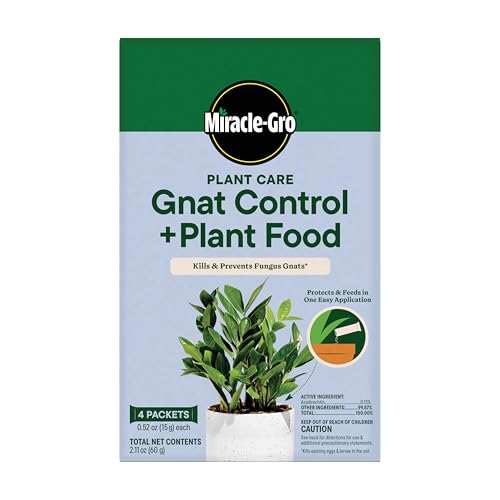
Fungus Gnat Control and Plant Food: Miracle-Gro Plant Care Gnat Control + Plant Food kills and prevents pesky fungus gnats (kills existing eggs and larvae in soil) while also providing your plants with the vital nutrients they need to thrive

3-IN-1 GARDEN CARE SPRAY - Earth’s Ally 3-in-1 Plant Spray is a ready-to-use botanical oil spray designed for indoor and outdoor plant care. The houseplant pest spray effectively kills and controls soft-bodied insects and common plant diseases with a synergistic blend of essential oils.
Conclusion
You now have a clear understanding of the growth journey of kiwi plants, from germination to harvesting. Remember, providing the right conditions like sunlight, water, soil quality, and proper care is key to nurturing healthy kiwi plants. Be prepared to tackle challenges such as pests, diseases, pollination issues, and nutrient deficiencies along the way. By overcoming these obstacles, you’ll set the stage for a bountiful harvest of delicious kiwi fruits. Happy gardening and may your kiwi plants thrive abundantly!
Frequently Asked Questions
What are the different growth stages of kiwi plants covered in the article?
The article covers growth stages from germination to harvesting, highlighting the importance of optimal conditions for growth.
What factors are crucial for the growth of kiwi plants?
Sunlight exposure, watering practices, soil quality, pruning techniques, and pollination requirements are crucial for kiwi plant growth.
What are some common challenges in growing kiwi plants?
Pest infestations, diseases, poor pollination, nutrient deficiency, watering issues, and climate challenges are common growth challenges for kiwi plants.
How can understanding and addressing these challenges improve kiwi plant growth?
Addressing challenges effectively can lead to healthy growth and a bountiful harvest of delicious kiwi fruits.
