

Have you ever dreamed of biting into a juicy peach straight from your own garden? If you’re considering planting a peach tree, you might be wondering how long it’ll take before you can enjoy that sweet reward.
Key Takeaways
- Timeframe for Fruit Bearing: Peach trees typically produce fruit within 3 to 4 years after planting, influenced by various factors.
- Tree Variety Matters: Early-blooming varieties like ‘Elberta’ produce fruit faster than late-blooming types. Dwarf peach trees can bear fruit even sooner, within 2 to 3 years.
- Impact of Tree Age: Younger trees, such as 1 to 2-year-olds, yield fruit quicker than older ones. Container trees often yield fruit sooner than bare-root trees.
- Care and Maintenance: Regular watering, fertilizing, and pruning are essential for promoting healthy growth and fruit yield. Use a balanced fertilizer and prune correctly to encourage air circulation.
- Addressing Challenges: Be mindful of pests, diseases, and environmental factors that can affect fruit production. Regular inspections and maintaining good hygiene are vital for tree health.
Understanding Peach Tree Growth
Peach tree growth involves several stages, each impacting the time until fruit production. Generally, expect fruit within 3 to 4 years after planting, depending on various factors.
Factors Affecting Growth Rate
- Tree Variety: Different peach tree varieties produce fruit at varying rates. Early-blooming varieties like ‘Elberta’ mature faster than late-blooming types.
- Rootstock: The rootstock influences growth speed. Trees grafted onto dwarf rootstock may bear fruit earlier than those on standard rootstock.
- Age at Planting: Younger trees take longer to produce fruit. Trees planted at 1 to 2 years old bear fruit sooner than older, established trees.
- Care and Maintenance: Proper tree care promotes healthier growth. Regular watering, fertilization, and pruning significantly enhance growth rates.
- Climate: Peach trees thrive in USDA zones 5 to 9, requiring a chilling period of 300-1,000 hours at temperatures below 45°F.
- Soil: Well-draining, sandy loam soil with a pH between 6.0 and 7.0 supports healthy root development and optimal nutrient absorption.
- Sunlight: Full sun exposure for at least 6 hours daily encourages vigorous growth. Choose a site with no shading from nearby structures or trees.
- Watering: Consistent moisture is crucial. Aim for about 1 inch of water weekly, adjusting for rainfall, especially during the growing season.
These factors and conditions form the foundation for healthy peach tree growth, helping you enjoy delicious fruit sooner.
How Long Until a Peach Tree Bears Fruit?
Peach trees typically produce fruit three to four years after planting. However, various factors affect this timeline, such as the tree variety, rootstock, and care practices.
Recommended Products

BEGINNER-FRIENDLY & EASY TO GROW – Perfect for first-time bonsai growers, simple planting and care instructions


Product Quantity: Five+ dwarf peach tree seeds per packet; Premium selection for optimal viability; Perfect for starting your own backyard orchard
Varieties of Peach Trees
Different peach tree varieties bear fruit at different rates. Common categories include:
- Freestone Peaches: These peaches mature within three to four years. They’re easy to work with for canning and baking.
- Clingstone Peaches: These often take four to five years to bear. They’re prized for their flavor in desserts.
- Dwarf Peach Trees: These smaller trees can produce fruit in about two to three years. They’re suitable for smaller gardens.
Choose a variety suited to your garden’s climate and space. Researching specific types can ensure you select the best option for early fruiting.
Age of the Tree at Planting
The age of the tree at planting significantly impacts fruit-bearing timelines. Here’s a breakdown:
- Bare-Root Trees: If you plant a one-year-old bare-root tree, expect fruit in three to four years.
- Container Trees: A two-year-old container tree typically bears fruit within two to three years.
- Older Trees: A three- or four-year-old tree can produce fruit sooner, often within one to two years.
You can find trees at different ages at local nurseries. Opting for a younger tree may require more patience but can lead to better long-term growth and healthier fruit production.
By considering variety and age, you can optimize your chances of enjoying fresh peaches from your garden.
Maintenance Tips for Fruit Production
Walking the path to a fruitful peach tree involves diligent maintenance. Focus on consistent care for optimal fruit yield.
Recommended Products

CLEAN CUTS FOR LIVE GROWTH: Bypass blade design is ideal for pruning delicate flower stems and green growth, helping reduce crushing and plant damage while cutting stems and small branches up to 5/8” in diameter

LONG-LASTING SHARPNESS: Japanese SK5 bypass blade with titanium coating is tested through 5,000 cuts to maintain a sharp edge and deliver clean, consistent cuts on live stems and branches

· ULTRA-SHARP SK5 STAINLESS STEEL - Engineered with premium SK5 stainless steel, these heavy duty pruning shears deliver razor-sharp precision and maximum hardness. The rust-resistant blades are designed to stay sharp longer, effortlessly resisting corrosion and sap buildup for smooth, friction-free garden shears performance year after year.
Watering and Fertilizing
Watering plays a crucial role in a peach tree’s health. Water deeply and infrequently to encourage strong root growth. Aim for about 1 inch of water per week, adjusting for rainfall. Early morning is the best time to water, reducing evaporation loss.
Fertilizing provides essential nutrients. Use a balanced fertilizer, like a 10-10-10 formula, in early spring before new growth begins. Follow the manufacturer’s guidelines for application rates. In the growing season, supplement with organic compost to enhance soil fertility.
Pruning Techniques
Pruning shapes the tree and promotes better fruit production. Start pruning in late winter or early spring, before new growth starts. Focus on removing dead or diseased branches and thinning overcrowded sections to improve air circulation.
Make clean cuts at a 45-degree angle, just above a bud. This encourages healthy regrowth. For young trees, maintain a central leader to develop strong structure. As the tree matures, prune to maintain an open center, allowing sunlight to reach the interior branches, boosting fruit development.
Common Challenges in Fruit Bearing
Growing peach trees presents unique challenges that can affect when and how well they bear fruit. Addressing these issues early ensures a healthier tree and a fruitful harvest.
Recommended Products
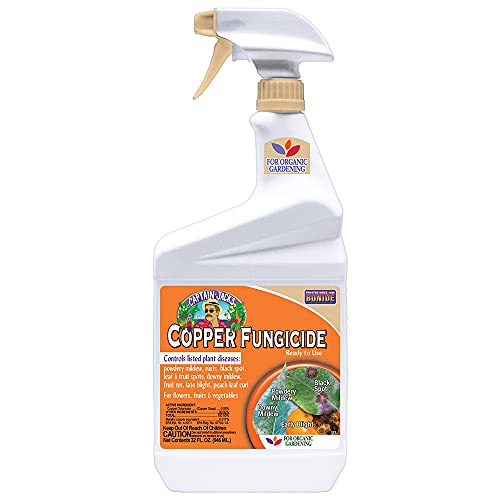
Control fungus and disease in your garden with Captain Jack’s ready-to-use Liquid Copper Fungicide!

Control diseases and insects in your garden with Captain Jack’s Fruit Tree Spray Concentrate! Use on a variety of listed fruits, nuts and citrus plants.

KILLS LISTED FRUIT & CITRUS TREE INSECTS: Controls Asian Citrus Psyllid, Whiteflies, Aphids Thrips, Citrus Leafminers, Leafhoppers, Blackfly, Mealybugs, Scales, Avocado Lacebugs, Oriental Beetles, Flea Beetles, Sharpshooters, and Spittlebugs
Pests and Diseases
Pests and diseases can significantly hinder fruit production. Common pests include aphids, peach tree borers, and spider mites, all of which can damage leaves and fruit. For instance, peach tree borers lay eggs near the base of the tree, and the larvae can burrow into the trunk, causing considerable harm.
To prevent these infestations, you can:
- Inspect your tree regularly for signs of pests.
- Use insecticidal soap or neem oil as a natural treatment.
- Ensure proper pruning to improve airflow around the tree.
Diseases like brown rot and peach leaf curl also pose risks. Brown rot affects fruit, leading to decay, while peach leaf curl can cause leaves to distort and drop prematurely.
To combat diseases, implement these steps:
- Choose disease-resistant varieties when planting.
- Maintain good hygiene by cleaning fallen fruit and leaves around the base.
- Apply fungicides in early spring, especially before wet weather.
Environmental Factors
Environmental factors directly influence fruit-bearing timelines. Temperature, soil quality, and sunlight all play critical roles.
- Temperature: Peach trees thrive in climates where summer temperatures reach at least 75°F. Late spring frosts can damage blossoms, reducing fruit yield. Protect blossoms with blankets or row covers during late frost events.
- Soil Quality: Well-draining soil with good organic content supports healthy roots. You can improve soil quality by mixing in compost or adding organic matter. Conduct a soil test to check for nutrient deficiencies.
- Sunlight: Peach trees require full sun for at least six to eight hours each day. If your tree doesn’t get enough light, it may produce fewer fruits. Position your tree in a location with optimal sun exposure, away from tall structures or other trees.
By addressing pests, diseases, and environmental factors, you enhance your peach tree’s chances of producing delicious fruit in its expected timeframe.
Conclusion
Growing your own peach tree can be a rewarding experience. While you might have to wait a few years for that first bite of juicy fruit it’s definitely worth the anticipation. By choosing the right variety and providing proper care you’re setting yourself up for success.
Remember to consider factors like tree age and environmental conditions to help speed up the process. With a little patience and dedication you’ll soon be enjoying fresh peaches right from your garden. Happy gardening and may your peach tree flourish!
Frequently Asked Questions
How long does it take for a peach tree to bear fruit?
Peach trees typically produce fruit 3 to 4 years after planting. However, this timeline can vary based on the tree’s variety, age, and care conditions.
What factors influence the fruit-bearing timeline of peach trees?
Factors like tree variety, rootstock, age at planting, climate, soil quality, sunlight exposure, and maintenance practices all influence when a peach tree will bear fruit.
What are the differences between freestone and clingstone peaches?
Freestone peaches usually mature in 3 to 4 years, while clingstone peaches take about 4 to 5 years to produce fruit.
How can I choose the right peach tree for my garden?
Select a variety suited for your climate and space. Consider factors like tree size, fruit type (freestone or clingstone), and resistance to pests and diseases.
What maintenance is needed for peach trees?
Regular watering, balanced fertilizing in spring, and seasonal pruning are essential for the health of peach trees. Aim for about 1 inch of water per week and prune to improve air circulation.
How should I water and fertilize my peach tree?
Water the tree deeply and infrequently, about 1 inch per week. Use a balanced fertilizer in early spring and supplement with organic compost during the growing season.
What are common pests that affect peach trees?
Common pests include aphids and peach tree borers. Regular inspections and natural treatments can help manage these pests effectively.
What diseases should I watch for in peach trees?
Watch for diseases like brown rot and peach leaf curl. Choosing disease-resistant varieties and maintaining hygiene around the tree can prevent these issues.
How can environmental factors affect peach tree growth?
Temperature, soil quality, and sunlight exposure greatly impact a peach tree’s health and fruiting timeline. Protect blossoms from late frosts and ensure adequate sunlight for optimal growth.
