

Do you ever wonder when the best time to prune your fruit trees is? You’re not alone. Many gardeners face the same dilemma, unsure of when to snip those branches for optimal growth and fruit production. Pruning at the wrong time can lead to poor yields or even damage your trees.
Key Takeaways
- Pruning fruit trees at the correct time is essential for promoting healthy growth and maximizing fruit production.
- The best time to prune deciduous fruit trees is during late winter or early spring when they are still dormant, while evergreen trees should be pruned after the last frost in spring.
- Understanding the differences between deciduous and evergreen fruit trees helps determine the right pruning techniques and timing for each type.
- Key pruning techniques include thinning cuts to improve air circulation and sunlight exposure, and heading cuts to encourage new growth and maintain desired shapes.
- Regularly inspect trees for pests and diseases during pruning to ensure overall health and productivity.
- Using the right tools, such as pruning shears, loppers, and disinfecting solutions, is crucial for efficient and clean pruning.
Understanding Pruning
Pruning encourages healthy growth and maximizes fruit production. Knowing when to prune helps you maintain your trees effectively.
Importance of Pruning Fruit Trees
Pruning fruit trees maintains tree health and structure. It removes dead or diseased branches, reducing the chance of pests and diseases. Pruning also improves air circulation and sunlight exposure, crucial for fruit development. Well-pruned trees produce better yields, making this an essential practice for fruit growers.
Benefits of Proper Timing
Proper timing plays a key role in the success of pruning. Pruning during the right season ensures trees heal quickly and grow vigorously. The best times to prune often include late winter or early spring, just before new growth begins. For specific varieties, timing may vary. For example, apple and pear trees thrive when pruned in dormancy, while summer pruning can help manage growth in peach trees. Pruning at optimal times promotes stronger branches and enhances fruit production.
Types of Fruit Trees
Understanding the types of fruit trees helps you determine when and how to prune them. Two main categories exist: deciduous and evergreen fruit trees.
Deciduous Fruit Trees
Deciduous fruit trees lose their leaves in winter and typically enter dormancy. Examples include apple, peach, and cherry trees.
- Pruning Timing: Prune deciduous trees during late winter or early spring while they’re still dormant. This timing encourages strong growth in the new season.
- Key Techniques: Focus on removing dead, damaged, or crowded branches. This enhances air circulation and sunlight exposure, leading to healthier fruit.
- Health Tips: Inspect for pests and diseases when pruning. Treat any issues immediately to protect the overall health of the tree.
Evergreen Fruit Trees
Evergreen fruit trees retain their foliage year-round. Common examples include citrus trees, such as orange and lemon trees.
- Pruning Timing: Prune evergreen trees after the last frost in spring. This helps avoid damage from cold temperatures and encourages new growth.
- Key Techniques: Thin out the canopy to increase light penetration. Remove any dead or crossing branches to maintain shape and health.
- Health Tips: Regularly check for pests like aphids or scale insects. Early intervention keeps your evergreen fruit tree thriving.
By understanding the characteristics of each type of fruit tree, you can better schedule your pruning and promote optimal growth and fruit production.
When Do You Prune Fruit Trees?
Knowing when to prune fruit trees helps achieve better yields and healthier plants. Timing affects tree growth and fruit production, so understanding seasonal pruning is crucial.
Recommended Products
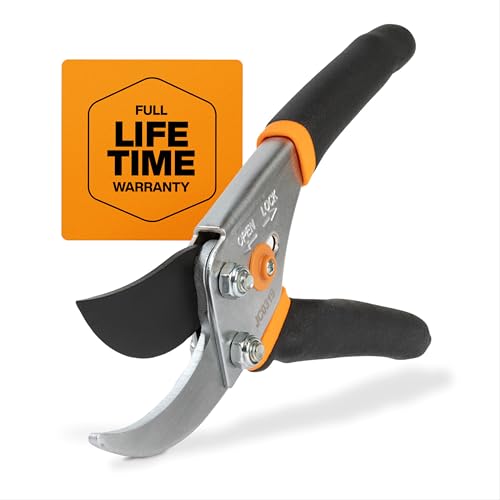
CLEAN CUTS FOR LIVE GROWTH: Bypass blade design is ideal for pruning delicate flower stems and green growth, helping reduce crushing and plant damage while cutting stems and small branches up to 5/8” in diameter

LONG-LASTING SHARPNESS: Japanese SK5 bypass blade with titanium coating is tested through 5,000 cuts to maintain a sharp edge and deliver clean, consistent cuts on live stems and branches

IDEAL BRANCH TRIMMER: 28" Steel blade garden bypass lopper that glides through up to 1.5" thick branches for easy cuts; Works well for trimming tree branches to maintain your yard and garden, and to encourage overall plant health and appearance
Best Times for Winter Pruning
Winter pruning should occur in late winter or early spring while trees are still dormant. This timing minimizes stress on the trees and promotes healthy regrowth. For deciduous trees—like apple, peach, and cherry—focus on these key points:
- January to March: Aim for these months, just before the trees start budding.
- Remove Dead Wood: Cut off any dead or diseased branches, which encourages new growth.
- Open the Canopy: Thinning crowded branches allows better sunlight and air circulation, essential for fruit development.
- Inspect for Pests: While pruning, look for signs of pests or diseases to manage problems early.
Best Times for Summer Pruning
Summer pruning typically occurs from June to August. This method is often used to control growth and shape the trees. For certain fruit trees like peaches, follow these insights:
- After Harvest: Prune immediately following harvest to avoid stress on the tree.
- Manage Growth: Trim excessive growth to ensure proper air circulation and light penetration.
- Maintain Shape: Use summer pruning to shape trees, creating a more manageable structure.
- Remove Suckers: Cut back any suckers growing from the base or main branches to direct energy to fruit production.
With these seasonal guidelines in mind, you can effectively prune your fruit trees to ensure optimal health and productivity.
Techniques for Pruning
Pruning involves several techniques, each serving a specific purpose for your fruit trees. Understanding these techniques will enhance your ability to maintain healthy, fruitful trees.
Thinning vs. Heading Cuts
Thinning cuts involve removing entire branches back to a lateral branch or the trunk. This technique opens up the canopy, allowing sunlight and air to penetrate the tree. It encourages fruit development and reduces overcrowding. For instance, if you notice too many branches growing close together, thinning them out can improve fruit quality.
Heading cuts, on the other hand, shorten a branch by cutting it back to a bud. This encourages new growth and can make a tree more compact. Heading cuts are useful for shaping the tree and encouraging bushier growth in areas where more foliage is desired. For example, if you’re looking to maintain a certain height for your peach tree, using heading cuts will help achieve that goal while supporting new fruit buds.
Tools Needed for Pruning
Using the right tools simplifies the pruning process and yields better results. Here are essential tools you’ll need:
- Pruning Shears: Ideal for small branches and precise cuts. Choose bypass shears for clean cuts that promote healing.
- Loppers: Best for thicker branches up to 2 inches. They provide leverage for better cutting power.
- Hand Saw: Useful for branches thicker than what loppers can handle. A 10- to 12-inch saw works well for most tasks.
- Pole Saw: Needed for cutting high branches without climbing. This tool helps reach difficult areas safely.
- Gloves: Protect your hands from thorns and rough bark while providing grip.
- Disinfecting Solution: Use this to clean your tools before and after pruning to prevent disease spread.
Ensure your tools are sharp and well-maintained for efficient and clean cuts, reducing stress on the trees. Keeping a clear workspace helps you prune effectively, avoiding injury and ensuring quality work.
Conclusion
Pruning your fruit trees at the right time can make a world of difference in their health and productivity. By knowing when to prune and the specific techniques to use, you can ensure your trees thrive and produce delicious fruit. Whether you’re working with deciduous or evergreen varieties, timing is key.
Remember to keep an eye on the seasons and adjust your pruning schedule accordingly. With a little practice and attention to detail, you’ll be well on your way to enjoying a bountiful harvest year after year. Happy gardening!
Frequently Asked Questions
When is the best time to prune fruit trees?
Pruning fruit trees is best done in late winter or early spring, while trees are still dormant. This timing helps encourage strong growth and enhances fruit production.
How does improper pruning timing affect fruit trees?
Improper pruning timing can lead to poor fruit yields or even damage the trees. It’s essential to prune at the right time to promote healthy growth and maximize fruit output.
What are the types of fruit trees and their pruning needs?
Fruit trees fall into two categories: deciduous and evergreen. Deciduous trees, like apples and peaches, are pruned in late winter. Evergreen trees, such as citrus, are pruned after the last frost in spring.
What techniques should I use for pruning deciduous trees?
For deciduous trees, focus on removing dead, damaged, or crowded branches to improve air circulation and sunlight exposure. Inspect for pests and diseases during pruning.
When should I prune evergreen fruit trees?
Evergreen fruit trees should be pruned after the last frost in spring to avoid cold damage and promote new growth. Thinning and removing dead branches are key techniques for these trees.
What is the purpose of summer pruning?
Summer pruning, typically done from June to August, aims to control growth and shape trees. For some fruit trees, like peaches, prune immediately after harvest to maintain shape and direct energy toward fruit production.
What are thinning and heading cuts?
Thinning cuts remove entire branches to improve sunlight and air penetration. Heading cuts shorten branches to promote new growth and shape the tree.
Why is using proper tools important for pruning?
Using the right tools, such as pruning shears and loppers, leads to cleaner cuts, reducing stress on trees and promoting better healing. Properly maintained tools are crucial for effective pruning.
