

Are your fruit trees looking less than healthy thanks to pesky snails? You’re not alone. Many gardeners face this frustrating problem, watching as these slimy intruders munch away at their hard-earned fruits.
Key Takeaways
- Identify Common Snail Species: Recognize the main types of snails that affect fruit trees, such as garden snails, brown garden snails, and field snails, to tailor your control methods effectively.
- Spot Signs of Infestation: Look for visible damage, slime trails, nocturnal activity, and egg clusters around your trees, which indicate the presence of snails.
- Implement Control Methods: Use a mix of strategies like handpicking, introducing natural predators, setting up barriers, and employing traps to effectively manage snail populations.
- Consider Chemical Solutions: Explore molluscicides such as metaldehyde, iron phosphate, and zinc phosphate while adhering to safety precautions and local regulations.
- Enhance Tree Health: Maintain healthy fruit trees through proper watering, fertilization, and pruning to reduce susceptibility to snail infestations.
- Practice Garden Hygiene: Regularly clear debris, use coarse mulch, and monitor borders to deter snails and create an unfavorable environment for future infestations.
Understanding Snails and Their Impact on Fruit Trees
Snails pose a significant threat to fruit trees, often causing considerable damage. Their feeding habits can lead to reduced fruit yields and can even kill young trees.
Common Types of Snails Affecting Fruit Trees
- Garden Snail: This species, known for its spiral shell, often feeds on leaves and tender fruit. It prefers moist environments, making gardens an ideal habitat.
- Brown Garden Snail: Similar to the garden snail, this type consumes foliage and fruit, leading to unsightly damage. Its adaptability allows it to thrive in various climates.
- Field Snail: Field snails typically inhabit grassy areas near orchards. They may wander to fruit trees, damaging them during their search for food.
- Visible Damage: Look for holes in leaves, chewed fruit, or stripped bark. Such signs indicate snail feeding activity.
- Slime Trails: Snails leave behind a slimy residue. Fresh trails on leaves or along tree trunks confirm their presence.
- Night Activity: Snails are nocturnal creatures. You may spot them actively feeding during the night, especially on damp evenings.
- Egg Clusters: Small, white, gelatinous clusters near the base of trees signal a potential infestation. These are snail eggs that can hatch into more pests.
By recognizing these common types of snails and signs of infestation, you can take swift action to protect your fruit trees from damage.
Effective Methods to Get Rid of Snails
Eliminating snails from your fruit trees requires a combination of techniques. Here are some effective methods to tackle this problem.
Recommended Products
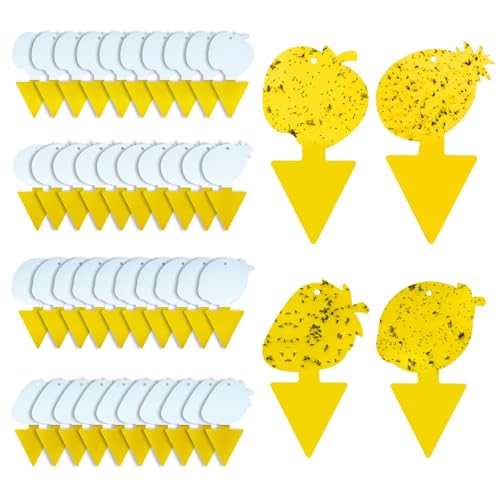
Powerful Insect Control: Captures fruit flies, gnats, whiteflies, aphids, midges, and other small flying pests using bright yellow color and extra-sticky glue

【Non-toxic and Odorless】Our double-sided sticky sheets are made of environmentally friendly materials and coated with a safe, odorless, non-toxic adhesive that does not contain any chemicals, which is not only harmless to humans and pets, but also effectively controls pests and breaks their breeding cycle.

Attracts greater & lesser Peach Tree Borers (Synanthedon exitiosa) as well as many other clearwing moth species
Handpicking Snails
Handpicking helps quickly reduce snail populations. Look for snails during the evening or early morning when they are most active. Use gloves for protection, and place collected snails in a bucket of soapy water to ensure they don’t return. Try to repeat this process every few days for the best results.
Utilizing Natural Predators
Introducing natural predators can help control snail populations. Birds, frogs, and certain beneficial insects are known to feast on snails. Encourage these predators by creating a welcoming environment, such as providing water sources and native plants. Bacillus thuringiensis, a bacteria that targets snails, can also serve as a natural option for control.
Creating Barriers and Traps
Setting up barriers and traps effectively prevents snails from reaching your fruit trees. Use copper tape around the base of trees; snails receive a mild electric shock when they attempt to cross it. You can also create traps using shallow containers filled with beer or other attractants. Position these traps near your trees to capture snails drawn in by the scent. Make sure to empty and refill traps regularly for optimal effectiveness.
Chemical Solutions for Snail Control
Chemical solutions can effectively address snail infestations on fruit trees. You can use specific products designed to eliminate these garden pests while minimizing harm to your plants.
Recommended Products

Kills aphids, tomato hornworms, green fruitworms, and over 100 other types of insects in organic gardens and homes.

Attracts all species of slugs and snails and paralyzes until sun dehydrates them.
Overview of Molluscicides
Molluscicides target snails and slugs, disrupting their feeding and reproductive activities. Common types include:
- Metaldehyde: This fast-acting poison attracts snails, leading to dehydration and death. Apply it in dry conditions for maximum effectiveness.
- Iron Phosphate: This organic option is less toxic to pets and wildlife. It disrupts snails’ digestive systems, causing them to stop feeding and eventually die.
- Zinc Phosphate: This type is effective but should be used with caution, as it can be harmful to other organisms.
Read the product labels carefully to choose the right molluscicide for your situation. Follow all application instructions to ensure safe and effective use.
Safety Precautions When Using Chemicals
When using chemical solutions, take necessary precautions to protect yourself and your environment:
- Wear Protective Gear: Use gloves, long sleeves, and eye protection when applying chemicals. This minimizes any risk of skin contact or inhalation.
- Keep Pets and Children Away: Maintain a safe distance during application. Wait until the treated area is dry before allowing pets or children near it.
- Read Labels Thoroughly: Ensure you understand the safe usage instructions. Labels provide essential information on application rates and safety measures.
- Follow Local Guidelines: Be aware of any local regulations regarding chemical use in gardens. Some areas may restrict certain products.
Using these chemical solutions responsibly can help keep your fruit trees healthy and thriving.
Prevention Tips for Future Infestations
Implementing effective prevention tips helps protect your fruit trees from future snail infestations. Maintaining tree health and practicing garden hygiene are crucial steps.
Recommended Products

PREMIUM NUTRIENT-RICH INGREDIENTS: Gargeer Land Snail Veggie Complete Diet is formulated with a blend of premium, nutrient-rich ingredients including Non-GMO Oats, Hemp Seeds, Pumpkin Seeds, Black Soldier Fly Larvae, Dandelion Leaf, Dried Mushroom, Dried Banana, Dried Fig, Dried Mango, Spirulina, Bee Pollen, and other wholesome components. These ingredients are packed with essential vitamins, minerals, and proteins necessary for the health and vitality of land snails
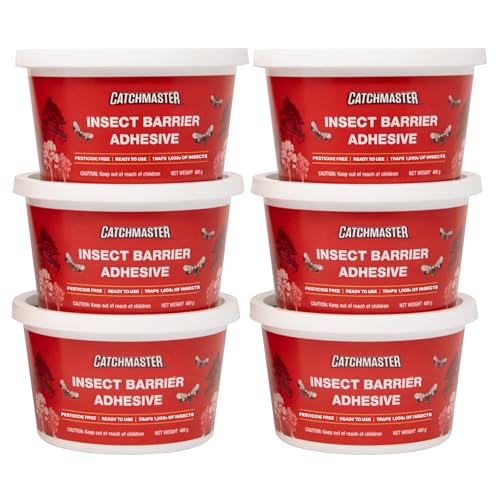
SAVE YOUR TREES: Our specially-formulated Insect Barrier Adhesive can be combined with standard plastic wrap to create tree band sticky traps for bugs. Tree bands are effective at controlling and monitoring invasive species like the spotted lanternfly, cankerworms, moths, black vine weevils, ants, caterpillars, and stink bugs, cicadas, cutworms and other crawling insects
Maintaining Tree Health
Healthy fruit trees resist pests better than stressed ones. Follow these strategies to enhance tree health:
- Water: Water your trees deeply and consistently, especially during dry spells, to avoid stress.
- Fertilize: Use balanced fertilizers to promote robust growth and improve fruit production.
- Prune: Regular pruning removes dead or damaged branches, enhancing air circulation and reducing hiding spots for snails.
- Monitor: Inspect leaves regularly for early signs of damage, enabling you to address issues promptly.
Garden Hygiene Practices
Maintaining cleanliness in your garden helps deter snails from infesting your fruit trees. Consider these hygiene practices:
- Remove Debris: Clear fallen leaves, old fruit, and plant debris, as these provide shelter and food for snails.
- Mulch: Use coarse mulch, such as wood chips or gravel, to create a barrier that snails find challenging to cross.
- Tidy Borders: Keep the area around your trees free of weeds and overgrown plants, which can attract snails.
- Dawn and Dusk Patrol: Conduct regular checks during dawn or dusk, when snails are most active, and remove any you find.
By focusing on these preventative measures, you’ll create an environment less conducive to snail infestations, allowing your fruit trees to thrive.
Conclusion
Taking control of snails on your fruit trees doesn’t have to be a daunting task. With a mix of handpicking natural predators and effective barriers you can create a snail-free environment for your trees. Don’t forget to explore chemical solutions if needed but always prioritize safety for your plants and loved ones.
Regular maintenance and a proactive approach will keep snails at bay and your fruit trees flourishing. By staying vigilant and implementing these strategies you’ll protect your hard work and enjoy the fruits of your labor. Happy gardening!
Frequently Asked Questions
What types of snails commonly affect fruit trees?
Common types of snails that damage fruit trees include the Garden Snail, Brown Garden Snail, and Field Snail. Each type is known for their destructive feeding habits, which can lead to significant damage and reduced fruit yields.
How can I identify snail damage on my fruit trees?
Visible signs of snail activity include holes in leaves, slime trails, nocturnal feeding behavior, and clusters of eggs. Recognizing these signs helps gardeners address infestations early and protect their trees.
What are effective methods for getting rid of snails?
Effective methods for eliminating snails include handpicking them during active hours, using natural predators like birds and frogs, creating barriers with copper tape, and setting traps with beer to attract and catch them.
Are there chemical solutions for snail control?
Yes, chemical solutions such as molluscicides can target snails effectively. Common types include Metaldehyde, Iron Phosphate, and Zinc Phosphate. Always read labels carefully and follow safety precautions to minimize harm to plants and surrounding wildlife.
How can I prevent future snail infestations?
Prevent future snail infestations by maintaining tree health through deep watering, balanced fertilization, and regular pruning. Additionally, remove debris, use coarse mulch as barriers, and monitor for signs of snails during their active times (dawn or dusk).
