

Have you ever wondered what happens to a banana tree after it bears fruit? You’re not alone. Many people are curious about the life cycle of these fascinating plants, especially after seeing their vibrant fruit.
You might have noticed that after fruiting, some banana trees seem to wither away, leaving you questioning their fate. Understanding whether a banana tree dies after it fruits can help you care for your own plants and appreciate their growth patterns.
Key Takeaways
- Banana Trees Are Herbaceous: Despite being called trees, banana plants are actually large herbaceous plants that thrive in tropical climates.
- Life Cycle: After producing fruit, the main stalk of a banana tree dies, but new shoots, or suckers, emerge from the base, allowing the plant to continue its life cycle.
- Growth Phases: The banana tree goes through several stages: planting, vegetative growth, flowering, and fruiting, with each phase requiring specific care for optimal growth.
- Maintenance Tips: Regular watering, fertilization, and removal of dead leaves and suckers are essential for promoting healthy growth and fruit production.
- Misconceptions: Common myths include the idea that banana trees die immediately after fruiting and that they produce only one sucker. In reality, they can continue to produce multiple suckers.
- Environmental and Economic Benefits: Banana trees offer nutritional benefits, enhance soil stability, attract wildlife, and contribute to local economies through sustainable farming practices.
Overview of Banana Trees
Banana trees, known scientifically as Musa, are actually large herbaceous plants, not true trees. They thrive in tropical and subtropical regions, where warm temperatures and adequate moisture support their growth.
Growth Cycle
- Planting: You start with rhizomes or suckers, which eventually sprout into new plants.
- Vegetative Phase: Foliage develops, and the plant can reach heights between 10 to 30 feet. This phase lasts several months.
- Flowering: After 9 to 12 months, it produces a flower cluster, known as an inflorescence.
- Fruiting: Bananas develop after flowering, typically maturing in 3 to 6 months.
Fruiting and Life Span
After the banana clusters mature, the plant enters its final stage. You may wonder what happens after it fruits. Unlike many plants, banana trees don’t die immediately after fruiting, but their main stalk typically does. It’s important to note that even though the main stalk dies, the plant continues to produce new suckers, ensuring the survival of the overall plant structure.
New Growth
- Suckers: These new shoots emerge from the base of the plant. They are essential for reproduction and can be separated from the mature plant for new growth.
- Regeneration: While the original stalk dies back, these suckers grow into new banana plants, continuing the cycle.
- Maintenance: Regularly remove dead leaves and suckers to promote new growth.
- Watering: Keep the soil consistently moist, especially during the fruiting period.
- Fertilization: Use a balanced fertilizer to support healthy growth and fruiting.
Understanding these stages helps you care for your banana trees better, ensuring a vibrant garden.
Life Cycle of Banana Trees
Banana trees go through distinct growth stages and processes throughout their life cycle. Understanding these phases clarifies what happens after the tree bears fruit.
Recommended Products

Let our professionally formulated plant food help your fruit tree grow healthy, strong AND abundantly producing

2X MORE VALUE: The 16 oz bottle of Banana Plant Fertilizer makes 16 gallons of banana fertilizer for fruit trees, while the bigger size 32 oz bottle makes 32 gallons for lasting care of your banana trees.

PREMIUM FUEL LIQUID FERTILIZER: Wellspring Gardens Banana Fuel Liquid Fertilizer Concentrate provides a quality nutrient blend with minor elements that could grow your plants. Its 3-1-6 formula ratio is the ideal fertilizer ration according to University of Florida which is what our product is made of.
Growth Stages
- Planting: Start with healthy banana seeds or suckers. Choose a location with plenty of sunlight and well-draining soil. Space the plants 4 to 6 feet apart to allow for growth.
- Vegetative Growth: This stage lasts about 9 to 12 months. The plant develops lush, large leaves, which gather sunlight for energy. Keep the soil consistently moist to encourage strong growth. Fertilize every 6 weeks to provide necessary nutrients.
- Flowering: Following vigorous vegetative growth, banana trees produce a flower spike. The spike emerges from the center and can take up to 3 months to mature. Male flowers bloom first, followed by female flowers that develop into bananas.
- Fruiting: After flowering, the bananas begin to grow and mature over 3 to 6 months. Once they ripen, the main stalk begins to die off. However, this doesn’t mean the tree is finished; suckers sprout from the base to continue the cycle.
Fruiting Process
The fruiting process involves several crucial steps:
- Maturation: Bananas grow in clusters known as hands. Each hand typically contains 10 to 20 bananas. The fruits change color as they ripen, transitioning from green to yellow.
- Harvest: Once the bananas reach full size and start to change color, they’re ready to harvest. Cut the stalk when at least 50% of the bananas are ripe. Use a sharp knife to avoid damaging the plant.
- Post-Harvest Care: After harvesting, remove dead leaves and suckers to maintain plant health. Ensure the remaining suckers receive enough nutrients and moisture for future growth.
- Regeneration: As the main stalk dies post-harvest, the new suckers ensure the banana tree’s survival. These suckers can be separated and planted elsewhere for new growth.
By understanding the life cycle of banana trees, you can better appreciate their growth and fruiting patterns.
Does Banana Tree Die After Fruiting?
Many wonder if banana trees die after they bear fruit. Understanding this process helps you care for your plants more effectively.
Recommended Products
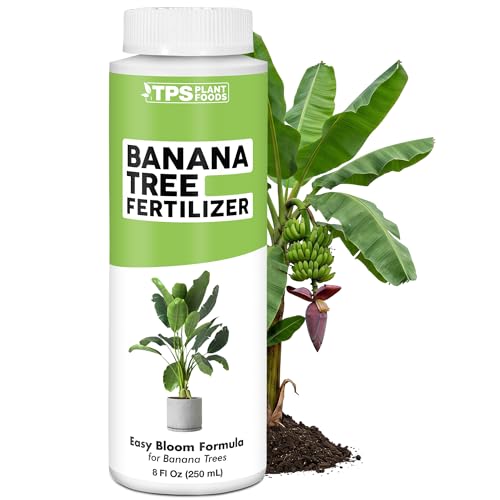
Made for Banana Trees – Specially formulated banana fertilizer designed to support the nutrient needs of banana plants.

FORMULATED FOR CITRUS AND FRUIT TREES: Use these citrus fertilizer spikes on apple, orange, lemon, lime, and avocado trees; this formula is also great for feeding palm trees

PREMIUM WATER SOLUBLE FERTILIZER: Wellspring Gardens Banana Fuel Fertilizer provides a water-soluble and high-quality nutrient blend with minor elements to promote optimal growth for your banana plants. Its premium 15-5-30 blend ensures that your banana plants are healthy and happy.
Factors Influencing Plant Lifespan
Several factors impact the lifespan of banana trees after fruiting:
- Sucker Development: The plant produces new shoots, called suckers, that ensure its survival. Healthy suckers can grow into new banana plants.
- Growing Conditions: Proper sunlight, humidity, and soil quality significantly affect the plant’s health post-fruiting. Ensure your banana tree receives plenty of sunlight and well-draining soil.
- Watering Routine: Regular watering impacts the plant’s vitality. Consistent moisture helps the suckers thrive.
- Fertilization: Balanced fertilizers promote healthy growth. Apply fertilizers enriched with potassium and nitrogen to support new shoots.
- Pest and Disease Management: Keeping your trees free from pests and diseases is crucial. Monitor your plants and treat them promptly to prevent health issues.
Common Misconceptions
Misunderstandings often arise about banana trees. Here are some common myths:
- Banana Trees Are Trees: Banana trees are actually large herbaceous plants, not true trees. They lack a woody trunk.
- The Main Plant Dies Immediately: While the main stalk dies after fruiting, the plant can persist through suckers, allowing for continued growth.
- Only One Sucker Forms: Multiple suckers can emerge after fruiting, offering several options for new plant growth.
- Fruiting Is the End: Fruiting marks a stage in the cycle, not the end. The plant regularly regenerates as long as it receives proper care.
By addressing these factors and misconceptions, you’ll better understand banana tree life cycles and how to nurture these unique plants.
Benefits of Banana Trees
Banana trees provide numerous benefits, making them valuable additions to your garden. Their advantages include:
- Nutritional Value: Bananas are rich in vitamins and minerals. They contain potassium, vitamin C, and dietary fiber, contributing to overall health.
- Environmental Impact: Banana trees improve air quality by absorbing carbon dioxide. Their large leaves provide shade, reducing heat in surrounding areas.
- Erosion Control: The strong root systems of banana trees stabilize soil. They prevent erosion, especially in tropical regions with heavy rainfall.
- Aesthetic Appeal: Banana trees add beauty to landscapes with their lush green foliage. They create a tropical atmosphere in gardens and yards.
- Wildlife Habitat: The trees attract various birds, insects, and other wildlife. This promotes biodiversity and encourages a balanced ecosystem.
- Sustainable Growth: Suckers from banana trees regenerate after fruiting. This allows ongoing production without replanting every season.
- Culinary Uses: Beyond fresh consumption, bananas provide diverse culinary options. They can be used in baking, smoothies, and savory dishes, offering versatility in your diet.
- Economic Value: Banana cultivation supports local economies. Many communities rely on banana farming for income, contributing to livelihood security.
Understanding these benefits enhances appreciation for banana trees, encouraging better care and sustainable practices in your gardening efforts.
Conclusion
Banana trees are fascinating plants that embody resilience and regeneration. Even though the main stalk may die after fruiting it doesn’t mean the end for your banana tree. Those new suckers are ready to take over and keep the cycle going.
By understanding this life cycle you can appreciate the beauty of these plants even more. With proper care and attention your banana tree can thrive and continue to produce fruit for years to come. So embrace the journey of your banana tree and enjoy the rewards it brings to your garden.
Frequently Asked Questions
Recommended Products

Beautiful and exotic banana: Ethiopian banana, Abyssinian banana, pseudo-banana, fake banana and wild banana, is a herbaceous flowering plant species of the Musaceae banana family
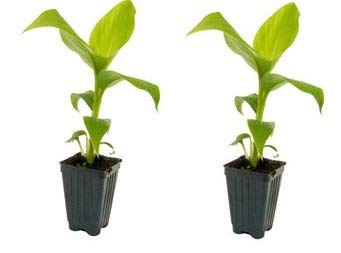
The most hardy of all Bananas!! Can go down to -20 if mulched properly. Can get up to 18 feet tall, rapid growth in hot weather Full Sun. Bananas are not edible, merely for looks! Exercise caution and use your best judgment before ordering during unusually hot or cold weather (below 32 degrees F, or in excess of 95F for shipping purposes), as these extremes may leave your plant vulnerable to damage.

Made for Banana Trees – Specially formulated banana fertilizer designed to support the nutrient needs of banana plants.
Do banana trees die after they bear fruit?
No, banana trees do not completely die after fruiting. While the main stalk dies, the plant continues to thrive through new suckers that sprout from the base. These suckers allow the plant to survive and produce more bananas.
What is the life cycle of a banana tree?
The life cycle of a banana tree includes planting, vegetative growth, flowering, and fruiting. After the fruit matures, the main stalk dies, but new suckers grow from the base, continuing the cycle.
How long does it take for bananas to grow?
Bananas generally take about 3 to 6 months to mature after the flowering stage. It can vary depending on growing conditions and the specific banana variety.
What do I need to plant banana trees?
To plant banana trees, you need healthy seeds or suckers, a sunny location, and well-draining soil. Consistent moisture and regular fertilization also help promote healthy growth.
How can I care for my banana trees?
Care for banana trees by keeping soil consistently moist, regularly removing dead leaves, and providing balanced fertilizers. Additionally, manage suckers to ensure the health and productivity of the plant.
What are the benefits of growing banana trees?
Growing banana trees offers multiple benefits, including nutritional value, environmental impact, erosion control, aesthetic appeal, wildlife habitat, and economic value through their culinary uses and potential income.
How can I encourage sucker growth?
To encourage sucker growth, ensure your banana tree receives adequate water, nutrients, and sunlight. Avoid overharvesting, and protect the plant from pests and diseases to support healthy sucker development.
What factors affect the lifespan of a banana tree?
The lifespan of a banana tree is influenced by factors such as sucker development, growing conditions, watering routines, fertilization practices, and pest management. Proper care can promote longevity and productivity.
