

Have you ever wondered why your fig tree isn’t bearing fruit? You’re not alone. Many gardeners face this frustrating issue, especially after putting in time and effort to nurture their trees. Fig trees can be tricky, and a variety of factors might be at play.
In this article, we’ll explore the common reasons your fig tree might not be producing fruit. From environmental conditions to care practices, you’ll gain insights that can help you turn things around. By the end, you’ll have the tools to encourage your fig tree to flourish and finally enjoy those delicious figs you’ve been dreaming about.
Key Takeaways
- Pollination Matters: Insufficient pollination, whether due to lack of pollinators or reliance on parthenocarpic varieties, can hinder fruit production in fig trees. Planting companion plants can help encourage pollination.
- Optimize Environmental Conditions: Fig trees thrive in warm temperatures (75°F to 100°F), full sun (6-8 hours daily), and well-draining soil. Ensure these conditions are met for better fruit yield.
- Consistent Watering: Regular and deep watering is essential, especially during the fruiting stage. Aim for about 1 inch of water per week and avoid overwatering to prevent root rot.
- Soil Quality Counts: Use well-draining soil with a pH of 6.0 to 6.8. Incorporate compost to enhance nutrient content and structure, which is crucial for healthy fruit production.
- Seasonal Awareness: Understand and respect the fig tree’s growth cycle (dormancy, bud break, leaf development, flower formation, and fruit development) to maximize fruiting potential throughout the year.
- Proactive Pest and Disease Management: Regular monitoring for common pests like fig beetles and managing diseases such as root rot are key to maintaining a healthy fig tree and ensuring fruit production.
Common Reasons For Lack Of Fruit
Several factors can prevent your fig tree from producing fruit. Understanding these reasons gives you the insight needed to improve your tree’s performance.
Insufficient Pollination
Insufficient pollination often leads to the absence of fruit on fig trees. Figs are unique because some varieties, like the common fig, are parthenocarpic, meaning they can produce fruit without pollination. Other varieties may require specific pollinators, like the fig wasp. If your fig tree relies on pollination but lacks the necessary insects, fruit development may falter. Encourage pollination by planting companion plants or attracting pollinators.
Environmental Factors
Environmental factors significantly influence fruit production in fig trees.
- Temperature: Figs thrive in warm climates. Temperatures ideally range from 75°F to 100°F during the growing season. Cold temperatures below 30°F can damage buds and prevent fruiting.
- Sunlight: Fig trees require full sun for optimal growth. At least 6-8 hours of direct sunlight daily promotes healthy fruit set. Inadequate sunlight can limit fruit production.
- Soil Conditions: Well-draining soil is crucial for fig trees. Heavy, waterlogged soil can lead to root rot, stunting growth. Aim for sandy or loamy soil with a pH between 6.0 and 6.5.
- Watering: Fig trees need consistent moisture, especially during the fruiting stage. Overwatering can drown roots, while underwatering can stress the tree. Aim for deep, infrequent watering, allowing the top inch of soil to dry out between sessions.
- Fertilization: A lack of nutrients can affect fruit development. Use a balanced fertilizer during the growing season to promote healthy growth. Too much nitrogen can increase foliage at the expense of fruit, so monitor nutrient levels.
Addressing these environmental factors can significantly enhance your fig tree’s chances of producing fruit.
Fig Tree Care Tips
To encourage your fig tree to produce fruit, provide the right care and conditions. Focus on soil quality and watering practices for optimal growth.
Recommended Products

All Purpose Mix; Nutrient Enrichment & Drainage Control for Fiddle Leaf Fig Trees & All Other Indoor Houseplants

100% Natural: Custom blend for Fiddle Leaf Fig Tree (Lyre Leaf Fig Tree); no artificial ingredients

100% Natural: Special custom blend for olive trees in containers
Soil Requirements
Choose well-draining soil with good organic matter. Aim for a pH between 6.0 and 6.8. Add compost to improve soil structure and nutrients. Ensure drainage to prevent root rot. If your soil is heavy clay, consider raised beds to enhance drainage. Regularly check soil moisture; it should be moist but not waterlogged.
Watering Needs
Water your fig tree regularly, especially during dry spells. Provide deep soaking to encourage deep root growth. Aim for about 1 inch of water per week, adjusting based on rainfall. Check the top inch of soil; if it’s dry, it’s time to water. Avoid overwatering, as soggy soil can lead to issues like fruit drop. Consider using mulch to retain moisture and regulate soil temperature.
Seasonal Considerations
Understanding seasonal factors can significantly influence your fig tree’s fruit production. Recognizing these elements helps you make informed decisions to encourage your tree to bear fruit.
Growth Cycle Of Fig Trees
Fig trees follow a specific growth cycle comprised of several key stages. You can outline these stages as follows:
- Dormancy: During winter, fig trees enter dormancy. Roots still grow, but above-ground parts stop developing. Protect your tree from frost damage during this time.
- Bud Break: As temperatures warm in early spring, buds start to swell and eventually open. Healthy buds signal good potential for fruit production. Ensure adequate moisture as buds develop.
- Leaf Development: Following bud break, your fig tree grows new leaves. This stage is crucial for photosynthesis and energy production. Monitor sunlight exposure to optimize leaf growth.
- Flower Formation: Late spring sees the formation of fig flowers within the developing fruit. Consistent moisture during this time can improve flower set, which is essential for fruit development.
- Fruit Development: By early summer, small figs begin to form. You’ll see two types: breba (early) and main crop (later). Each tree variety has a specific timing for these stages, so knowing your variety is beneficial.
Pruning Techniques
Effective pruning significantly affects your fig tree’s fruit output. Proper techniques ensure better air circulation, light penetration, and overall tree health. Implement these steps during the dormant season:
- Remove Dead Wood: Cut away any dead or diseased branches. This action increases airflow and reduces the risk of pests.
- Thin Out Growth: Focus on removing internal branches that overcrowd the tree’s center. This action allows more light to reach the developing fruit.
- Shorten Long Branches: Trim long branches to encourage lateral growth. This practice helps develop more fruiting wood.
- Shape the Tree: Aim for an open vase shape. This structure promotes even growth and makes harvesting easier.
With attention to seasonal changes and effective pruning, your fig tree’s chances of producing fruit improve significantly.
Pests And Diseases
Pests and diseases significantly impact your fig tree’s ability to produce fruit. Addressing these issues promptly keeps your tree healthy and fruiting.
Recommended Products

3-in-1 FORMULA: Aphid spray for outdoor plants for use on roses, flowers, shrubs and trees to control listed insects, disease and mites

3-IN-1 PLANT CARE: 3-In-1 Insect, Disease & Plant Mite Control provides insect control, disease control, and plant mite control all in one; Rainproof protection starts in 4 hours and lasts up to 14 days
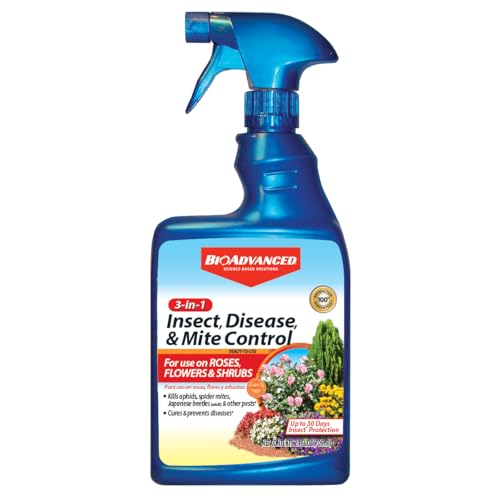
INSECT KILLER: Army worm killer. Also kills insects such as Aphids, Spider Mites, Japanese Beetles, Caterpillars, and other listed insects
Identifying Common Pests
Examine your fig tree regularly for signs of pests. Common pests include:
- Fig Beetles: These shiny, green or black beetles chew on leaves and may damage fruit.
- Spider Mites: Look for tiny webs or speckled leaves. They thrive in dry conditions and suck plant juices.
- Scale Insects: These pests appear as small, rough spots on branches and leaves, weakening the tree by sucking sap.
Monitor for these pests, especially in warmer months. If you find any, consider natural remedies such as insecticidal soap or neem oil for control.
Disease Management Strategies
Maintaining a healthy fig tree minimizes disease risks. Common diseases include:
- Root Rot: Caused by overwatering, root rot presents as yellowing leaves and branch dieback. Ensure well-drained soil and avoid excessive moisture.
- Fig Rust: This fungal disease shows reddish-brown spots on leaves. Remove affected foliage and improve air circulation.
- Bacterial Blight: It manifests as dark, water-soaked spots on leaves. Prune infected areas and maintain proper sanitation.
Implementing these disease management strategies can protect your fig tree. Employ crop rotation and select resistant varieties when possible. Regularly inspect your tree, provide adequate spacing, and ensure it receives proper care. Maintain a proactive approach to pest and disease management for a thriving fig tree.
Conclusion
If your fig tree isn’t producing fruit don’t lose hope. With a little patience and the right care you can encourage it to thrive. Remember to check the growing conditions and ensure your tree is getting enough sunlight and moisture.
Pay attention to soil quality and don’t forget about those pesky pests that might be causing trouble. By addressing these factors and following the care tips shared you’ll be on your way to enjoying a bountiful harvest. Keep nurturing your fig tree and soon enough you’ll be rewarded with delicious figs. Happy gardening!
Frequently Asked Questions
Why isn’t my fig tree producing fruit?
The lack of fruit on your fig tree could be due to several factors. Insufficient pollination is a common issue, especially for specific fig varieties. Environmental conditions like temperature, sunlight, soil quality, and watering practices also play crucial roles. Ensure the tree is getting enough warmth, light, and moisture, and check if you are using balanced fertilization for optimal growth.
What soil conditions do fig trees need?
Fig trees thrive in well-draining soil with good organic matter. A pH level of 6.0 to 6.8 is ideal for their growth. Adding compost can improve soil structure and nutrients. Avoid heavy clay soils unless you use raised beds to enhance drainage and prevent waterlogged conditions.
How often should I water my fig tree?
Water your fig tree deeply once a week, providing about 1 inch of water. It’s important to keep the soil moist but not overly saturated to prevent root rot and fruit drop. Regular monitoring of soil moisture will help maintain optimal watering practices.
What are the stages of fruit development in fig trees?
A fig tree’s growth cycle includes dormancy, bud break, leaf development, flower formation, and fruit development. Understanding these stages helps gardeners make informed decisions regarding care and management, which can influence the tree’s fruiting success.
How can I improve my fig tree’s fruit output?
To enhance fruit production, practice effective pruning by removing dead wood, thinning overcrowded branches, and shaping the tree for better air circulation. Additionally, provide adequate sunlight, maintain moisture, and ensure balanced fertilization to promote healthier fruiting.
What pests affect fig trees and how can I control them?
Common pests like fig beetles, spider mites, and scale insects can harm fig trees. To control these pests, consider natural remedies and promote tree health. Regular inspections and sanitation practices also help reduce pest infestations effectively.
How do I manage diseases in my fig tree?
To manage diseases like root rot, fig rust, and bacterial blight, ensure your soil is well-drained and practice proper sanitation. Regular inspections can help identify issues early, allowing for timely intervention to maintain your fig tree’s health.
