Close Menu
    Fruit Tree Hub
    • Home
    • Apple Trees
    • Lemon Trees
    • Mango Trees
    • Orange Trees
    • More Trees
      • Best Fruit Trees
      • Apricot Trees
      • Cherry Trees
      • Fig Trees
      • Lime Trees
      • Mulberry Trees
      • Peach Trees
      • Pear Trees
      • Plum Trees
      • Pomegranate Trees
    • Tips and Advice
      • Tools
    • About Us
      • Contact
      • Privacy Policy
    Fruit Tree Hub
    Home»Tips and Advice»How Long Does Mango Tree Take to Bear Fruit: Tips for Faster Harvesting Success
    Tips and Advice

    How Long Does Mango Tree Take to Bear Fruit: Tips for Faster Harvesting Success

    Martha JacksonBy Martha JacksonNovember 16, 20247 Mins Read
    Share Facebook Twitter Pinterest WhatsApp Email
    Share
    Facebook Twitter LinkedIn Pinterest Telegram Email

    Have you ever dreamed of picking fresh mangoes right from your backyard? If you’re thinking about planting a mango tree, you might be wondering how long it’ll take before you can enjoy that sweet, juicy fruit.

    Contents show
    1 Key Takeaways
    2 Overview Of Mango Trees
    3 Factors Influencing Fruit Bearing
    3.1 Age Of The Tree
    3.2 Type Of Mango Variety
    3.3 Environmental Conditions
    4 Average Time Frame For Fruiting
    4.1 From Planting To First Fruits
    4.2 Seasonal Variations
    5 Care Tips For Encouraging Fruiting
    5.1 Soil Requirements
    5.2 Watering Practices
    5.3 Fertilization Schedule
    6 Conclusion
    7 Frequently Asked Questions
    7.1 How long does it take for mango trees to bear fruit?
    7.2 What are the ideal growing conditions for mango trees?
    7.3 How can I encourage my mango tree to bear fruit faster?
    7.4 What factors influence mango fruit production?
    7.5 When do mango trees bloom and produce fruit?
    7.6 How often should I water my mango tree?

    Key Takeaways

    • Mango trees typically take 3 to 4 years to bear fruit when grown from grafts, while seed-grown trees may require 5 to 8 years.
    • The mango variety significantly impacts fruiting time, with some types like ‘Haden’ maturing faster than others.
    • Adequate pollination, consistent watering, proper fertilization, and timely pruning are crucial for successful fruit production.
    • Mango trees thrive best in warm climates, requiring 6 to 8 hours of direct sunlight daily and well-drained soil for optimal growth.
    • Seasonal care adjustments are vital; monitor your tree closely for watering and fertilization during spring flowering and fruiting stages.
    • With proper care, mango trees have a lifespan of over 100 years, providing long-term fruit harvests.

    Overview Of Mango Trees

    Mango trees, scientifically known as Mangifera indica, thrive in warm climates. These tropical trees grow best in zones 10-11. They require full sun and well-drained soil for optimal growth.

    Mango trees typically reach heights between 30 to 100 feet. Their dense foliage features long, narrow leaves that are vibrant green. Blossoms appear in clusters, attracting pollinators like bees and butterflies. These flowers eventually develop into the delicious fruit you often enjoy.

    MUST READ
    Do Potted Olive Trees Fruit and How to Ensure a Bountiful Harvest at Home

    When grown from seed, mango trees may take 5 to 8 years to bear fruit. In contrast, grafted trees often produce mangoes within 3 to 4 years. The type of mango variety also affects fruiting time; for instance, Haden and Tommy Atkins varieties may mature faster than others.

    For successful fruit production, consider factors such as:

    • Pollination: Ensure adequate pollination by planting multiple trees or placing them in a location that attracts bees.
    • Watering: Provide consistent water during the dry season, but avoid overwatering, which can lead to root rot.
    • Fertilization: Use a balanced fertilizer during the growing season to support healthy growth and fruiting.
    • Pruning: Trim unnecessary branches to enhance air circulation and light exposure, promoting fruit development.

    Mango trees can live for more than 100 years, providing years of enjoyable fruit harvests. With proper care, your tree will flourish and reward you with sweet mangoes.

    Factors Influencing Fruit Bearing

    Several factors impact how quickly mango trees bear fruit. Understanding these factors helps you optimize the growth and production of your mango tree.

    Recommended Products
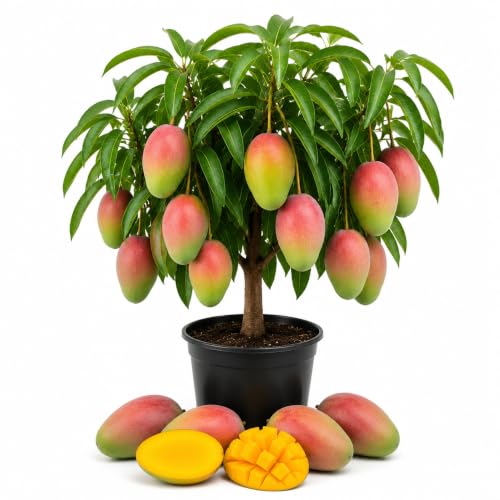
    Grafted Haden Mango Tree – Live Tropical Fruit Tree – Classic Premium Variety – USDA Certified
    Grafted Haden Mango Tree – Live Tropical Fruit Tree – Classic Premium Variety – USDA Certified

    Imagine stepping into your backyard a few months from now and seeing a beautiful grafted Haden mango tree, growing stronger every day — a tree that will soon reward you with one of the most classic, flavorful mangoes ever grown.

    VIEW LATEST PRICE

    As an affiliate, we earn on qualifying purchases.

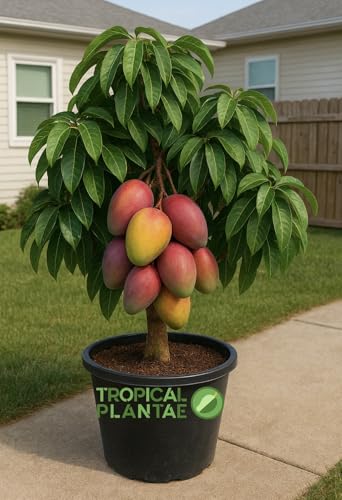
    Grafted Mango coconut cream (mangifera) tropical live fruit tree 3'-4' feet tall Tropical Plantae
    Grafted Mango coconut cream (mangifera) tropical live fruit tree 3'-4' feet tall Tropical Plantae

    A Captivating Fact About the Coconut Cream Mango The Coconut Cream mango is renowned as one of the most unique and sought-after mango varieties in the world. Its name perfectly captures its essence: a creamy, tropical fruit with a distinct coconut undertone.

    VIEW LATEST PRICE

    As an affiliate, we earn on qualifying purchases.

    MUST READ
    Do Banana Trees Die After Fruiting and What Happens Next for Your Garden
    Grafted Ataulfo Mango Tree – Honey Mango – Live Tropical Fruit Tree – USDA Certified
    Grafted Ataulfo Mango Tree – Honey Mango – Live Tropical Fruit Tree – USDA Certified

    Imagine stepping into your backyard and seeing a mango tree that grows neatly, looks elegant, and brings a sense of tropical calm to your space. That’s the experience a Grafted Ataulfo (Honey) Mango Tree creates over time.

    VIEW LATEST PRICE

    As an affiliate, we earn on qualifying purchases.

    Age Of The Tree

    Younger mango trees need more time to reach maturity before producing fruit. Trees grown from seed often take 5 to 8 years to bear fruit, while grafted trees may produce within 3 to 4 years. Generally, as the tree gets older, its fruit production increases. This aging process allows the tree to develop stronger roots and a more substantial trunk, contributing to its ability to support fruit.

    Type Of Mango Variety

    Different mango varieties mature at various rates. For instance, the ‘Haden’ mango typically fruits within 3 to 4 years, while the ‘Kent’ variety may take slightly longer. Selecting the right variety based on your climate and preferred taste can significantly impact when you enjoy your first harvest. Researching local varieties that perform well in your area can also enhance your success in fruit bearing.

    Environmental Conditions

    Mango trees thrive in warm climates but specific environmental factors also play a role in fruit production. Adequate sunlight is crucial. Aim for at least 6 to 8 hours of direct sunlight daily. Well-drained soil prevents root rot, which can hinder fruit growth. Regular watering is essential, but avoid overwatering as it leads to poor fruit set. Providing a balanced fertilizer during the growing season promotes healthy development. Monitoring temperature and ensuring protection from frost can also make a significant difference in how quickly your tree bears fruit.

    Average Time Frame For Fruiting

    Mango trees typically take several years to produce fruit, with the timeframe influenced by various factors.

    Recommended Products

    Grafted Mahachanok Mango Tree – Premium Thai Mango – Live Tropical Fruit Tree – USDA Certified
    Grafted Mahachanok Mango Tree – Premium Thai Mango – Live Tropical Fruit Tree – USDA Certified

    Grafted Mango Tree, showcasing the Mahachanok variety, is an excellent addition to any garden or landscape. This carefully grafted tree offers the delightful taste and quality of Mahachanok mangoes, known for their sweet, tangy, and tropical flavor.

    MUST READ
    How to Fix Yellow Leaves on Fruit Trees: Effective Tips for Healthy Growth and Bountiful Harvests
    VIEW LATEST PRICE

    As an affiliate, we earn on qualifying purchases.

    Grafted Mango Miyazaki/Egg of The Sun/Live Tree(2ft) Mangifera Injertado Plant
    Grafted Mango Miyazaki/Egg of The Sun/Live Tree(2ft) Mangifera Injertado Plant

    Grafted tree

    VIEW LATEST PRICE

    As an affiliate, we earn on qualifying purchases.

    Grafted Mango Tree – Live Tropical Fruit Tree – Premium Variety – USDA Certified
    Grafted Mango Tree – Live Tropical Fruit Tree – Premium Variety – USDA Certified

    Imagine stepping outside your home and seeing a healthy mango tree growing stronger every season—one that doesn’t just decorate your yard, but adds real value to your daily life.

    VIEW LATEST PRICE

    As an affiliate, we earn on qualifying purchases.

    From Planting To First Fruits

    Grafted mango trees usually bear fruit within 3 to 4 years after planting. Seed-grown trees take longer, often 5 to 8 years before producing mangoes. Grafted varieties, like ‘Haden,’ often yield earlier than others. To maximize fruiting potential, select healthy grafts and ensure proper care throughout their growth stages.

    Seasonal Variations

    Timing of fruit production can vary depending on the season. Mango trees flourish in warm environments and generally bloom during spring. Proper pollination leads to fruit set within 3 to 5 months after flowering. In areas with distinct seasons, monitor your mango tree’s growth closely. Adjust care, such as watering and fertilization during these critical growth periods, to enhance fruit production.

    Care Tips For Encouraging Fruiting

    Providing care for your mango tree boosts its chances of producing fruit. Focus on soil, watering, and fertilization to help your tree thrive.

    Recommended Products

    Gardenwise 6-4-6 Avocado, Mango Citrus Tree Professional Fertilizer, Plant Food Outdoor/Indoor Gardening; Quick-Release Nitrogen Fertilizer; Orange, Lime, Avocado and Lemon Tree Fertilizer (1/2 QUART)
    Gardenwise 6-4-6 Avocado, Mango Citrus Tree Professional Fertilizer, Plant Food Outdoor/Indoor Gardening; Quick-Release Nitrogen Fertilizer; Orange, Lime, Avocado and Lemon Tree Fertilizer (1/2 QUART)

    🍋 Grows Delicious Fruits: With a balance of 6% nitrogen, 4% phosphorus and 6% potassium, Gardenwise’s 6-4-6 Citrus and Avocado Professional Fertilizer nourishes your indoor and outdoor trees with a high-quality blend of nutrients. You’ll love the incredible flavors!

    MUST READ
    How Long for an Avocado Tree to Fruit: Tips for Accelerating Your Avocado Harvest
    VIEW LATEST PRICE

    As an affiliate, we earn on qualifying purchases.

    Down To Earth All Natural Fertilizers Organic Fruit Tree - 6-2-4, 5 lb
    Down To Earth All Natural Fertilizers Organic Fruit Tree - 6-2-4, 5 lb

    Down to Earth Fruit Tree is a five pound box of all natural fertilizer with 6-2-4 formula and is listed by the Organic Materials Review Institute (OMRI) for use in organic production

    VIEW LATEST PRICE

    As an affiliate, we earn on qualifying purchases.

    Citrus Fertilizer for Potted Lemon Tree & Outdoor Citruses, 32oz
    Citrus Fertilizer for Potted Lemon Tree & Outdoor Citruses, 32oz

    2X MORE VALUE: The 16 oz Liquid Citrus Tree Fertilizer makes 16 gallons of citrus plant food, while the bigger size 32 oz bottle makes 32 gallons, ensuring long-lasting care for your garden.

    VIEW LATEST PRICE

    As an affiliate, we earn on qualifying purchases.

    Soil Requirements

    Use well-drained, sandy loam soil for optimal growth. Mango trees prefer a pH between 5.5 and 7.5. For best results, amend heavy soils with organic matter to improve drainage. Test your soil before planting to ensure it’s suitable. Consider planting your mango tree in a raised bed if drainage is a concern.

    Watering Practices

    Water young mango trees deeply once a week, especially during dry spells. Mature trees require less frequent watering, about every two weeks, depending on rainfall. Always check the soil moisture before watering; ensure the top inch of soil dries out between sessions. Avoid overwatering, as it can lead to root rot.

    Fertilization Schedule

    Fertilize your mango tree during the growing season, typically from spring to late summer. Use a balanced fertilizer with an NPK ratio of 4-1-2. Apply 1 to 2 pounds of fertilizer per tree each year, split into two or three applications. Follow up with a second round in late summer to promote fruiting. Consider adding compost to enrich the soil further.

    Conclusion

    Growing a mango tree can be a rewarding experience that brings delicious fruit to your backyard. With the right care and attention you can enjoy fresh mangoes in just a few years if you choose a grafted variety. Remember to consider factors like sunlight soil quality and proper watering to help your tree thrive.

    MUST READ
    Do Fig Trees Put on Fruit Before Leaves: Understanding Their Unique Growth Patterns

    Patience is key as you nurture your tree through its growth stages. Whether you’re planting from seed or a grafted tree you’ll be well on your way to savoring those sweet mangoes in no time. So keep tending to your tree and soon enough you’ll be enjoying the fruits of your labor.

    Frequently Asked Questions

    How long does it take for mango trees to bear fruit?

    Mango trees grown from seed usually take 5 to 8 years to bear fruit. In contrast, grafted mango trees can produce fruit in as little as 3 to 4 years, depending on the variety and growing conditions.

    What are the ideal growing conditions for mango trees?

    Mango trees thrive in warm climates, specifically in USDA zones 10-11. They require full sun (6 to 8 hours daily), well-drained sandy loam soil, and a pH level between 5.5 and 7.5 for optimal growth.

    How can I encourage my mango tree to bear fruit faster?

    To encourage quicker fruit production, ensure your mango tree receives adequate sunlight, proper watering, balanced fertilization, and regular pruning. Healthy grafts and protecting the tree from frost can also enhance fruiting potential.

    What factors influence mango fruit production?

    Key factors include the age of the tree, variety, environmental conditions, and care provided. Younger trees take longer to mature, while different mango varieties, like ‘Haden’ and ‘Kent’, may have varying fruiting timelines.

    When do mango trees bloom and produce fruit?

    Mango trees typically bloom in spring. After successful pollination, fruit usually sets within 3 to 5 months, leading to harvestable mangoes later in the growing season.

    How often should I water my mango tree?

    Young mango trees should be watered deeply once a week. Mature trees require less frequent watering, about every two weeks, to maintain healthy growth without waterlogging.

    Share. Facebook Twitter Pinterest LinkedIn Tumblr Email
    martha jackson
    Martha Jackson

      Martha Jackson is an accomplished freelance writer and editor with a strong interest in gardening. With a degree in English from the University of California, Berkeley, Martha has over 15 years of experience writing for a variety of publications. She is passionate about making gardening accessible to all and is always seeking out new techniques and innovations.

      Related Posts

      How Long Until Avocado Trees Bear Fruit and Tips for Faster Growth at Home

      February 20, 2025

      What Yellow Fruit Grows on Trees and Their Delicious Health Benefits

      February 20, 2025

      How to Air Layer Fruit Trees: A Step-by-Step Guide for Successful Propagation

      February 20, 2025

      When Do Grapefruit Trees Produce Fruit and How to Maximize Your Harvest

      February 20, 2025

      What Is a Fast Growing Fruit Tree: Discover Quick-Yield Options for Your Garden

      February 20, 2025

      Do Cherry Blossom Trees Have Fruit? Discover the Truth About Their Edibility and Benefits

      February 20, 2025
      Leave A Reply Cancel Reply

      Affiliate Disclosure

      As an Amazon Associate I earn from qualifying purchases.

      Recommended Reading

      Can Pear Trees Grow in Montana? Mountain Climate Success

      Do fig trees attract mosquitoes?

      Growing Tangerine Trees in a Pot in North Dakota: Winter Survival

      Growing Cantaloupe in Small Spaces: Tips for Sweet Success

      Discover if Grapefruit Trees Thrive in Southern Indiana’s Climate

      What Yellow Fruit Grows on Palm Trees and Why They Are Nutritional Powerhouses

      What is the Fruit of a Sycamore Tree and Its Importance to Wildlife and Ecology

      When to Move Fruit Trees: Essential Tips for Successful Transplanting

      Pear Trees in Connecticut (New England Hardiness Guide)

      Top Fruit Trees for Atlanta, GA: Southern Success and Soil Prep

      Fruit Tree Hub

      Fruit Tree Hub is a website dedicated to providing you everything you need to grow fruit trees successfully at in your own yard.

      Contact us at: [email protected]

      - AFFILIATE DISCLOSURE: As an Amazon Associate I earn from qualifying purchases.

      Latest Posts

      21 Colorful Halloween Crochet Motifs Featuring Pumpkins Bats and Black Cats

      23 Smart Halloween Crochet Ideas to Sell as Keychains and Coasters

      22 Fun Halloween Crochet Ideas Built Around Treat Bags and Hats

      23 Adorable Halloween Amigurumi Ideas Featuring Ghosts and Black Cats

      22 Compact Halloween Crochet Decorations for Shelves and Small Spaces

      19 Practical Halloween Crochet Decorations Designed for Tabletop Displays

      24 Cozy Halloween Crochet Decor Ideas Built Around Mantel Garlands

      19 Playful Kawaii Halloween Crochet Ideas Featuring Smiling Spooky Characters

      Categories
      • Almond Trees
      • Apple Trees
      • Apricot Trees
      • Best Fruit Trees
      • Blackberry
      • Cantaloupe
      • Cherry Trees
      • Crochet Ideas
      • Crochet Ideas for Beginners
      • Cucamelon
      • Easy Crochet Ideas
      • Easy Knitting Projects
      • Fall Crochet Ideas
      • Fig Trees
      • Grapefruit Trees
      • Grapes
      • Guava Trees
      • Halloween Crochet Ideas
      • Honeydew
      • Jujube Trees
      • Kiwi
      • Knitting For Beginners
      • Knitting Ideas
      • Knitting Inspiration
      • Lemon Trees
      • Lime Trees
      • Loquat Trees
      • Mango Trees
      • Mulberry Trees
      • Nectarine Trees
      • Olive Trees
      • Orange Trees
      • Papaya Trees
      • Peach Trees
      • Pear Trees
      • Persimmon Trees
      • Planting
      • Plum Trees
      • Pomegranate Trees
      • Quince Trees
      • Raspberry
      • Reviews
      • Small Crochet Ideas
      • Star Fruit Trees
      • Summer Crochet Ideas
      • Tamarind Trees
      • Tangerine Trees
      • Tips and Advice
      • Tools
      • Uncategorized
      • Walnut Trees
      © 2026 Fruit Tree Hub
      • Home
      • About Us
      • Contact
      • Privacy Policy
      • Terms and Conditions
      • Disclaimer
      • Editorial Policy
      • Affiliate Disclosure

      Type above and press Enter to search. Press Esc to cancel.