

Have you ever wondered what fruit grows on those tall palm trees swaying in the breeze? You’re not alone. Many people admire these iconic trees but might not realize they produce a variety of delicious fruits. From tropical delights to nutritious snacks, palm trees offer more than just shade and beauty.
Key Takeaways
- Variety of Fruits: Palm trees produce a range of fruits, including coconuts, dates, acai berries, and palm hearts, each with unique flavors and nutritional benefits.
- Nutritional Advantages: These fruits are rich in essential nutrients, antioxidants, and healthy fats, contributing to overall health and wellness.
- Climate and Soil Needs: Palm trees thrive in tropical and subtropical climates, with preferences for sandy, well-drained soils to ensure healthy growth and fruit production.
- Culinary Uses: Many palm fruits can be enjoyed fresh or incorporated into various dishes, enhancing flavors and nutritional content in smoothies, salads, and desserts.
- Cultural Significance: Palm fruits hold culinary and cultural importance, often featured in regional festivals and traditional recipes.
Overview of Palm Trees
Palm trees belong to the family Arecaceae and are recognized for their tall, slender trunks and fan or feather-like leaves. These trees thrive in tropical and subtropical regions, commonly found in sandy and well-drained soils. Their ability to adapt to various environments contributes to their widespread popularity.
Many palm trees produce fruits, which vary significantly in size, shape, and taste. Some well-known examples include:
- Coconuts: These large, round fruits hail from the coconut palm. They contain water and a soft white meat, offering hydration and nutrients.
- Dates: Grown on date palms, these sweet fruits come in clusters. They’re often dried for snacks or used in desserts.
- Acai Berries: These small, dark purple fruits grow on acai palm trees and are praised for their antioxidant properties.
- Palm Hearts: Known as “swamp cabbage,” this edible part of certain palm trees is tender and used in salads.
You can enjoy many of these fruits fresh or in various dishes. When selecting fruits, consider their freshness and ripeness for optimal flavor and nutritional value. Additionally, various regions celebrate festivals centered around palm fruits, showcasing their culinary and cultural significance.
Common Types of Palm Trees
Palm trees produce various fruits, each with unique flavors and uses. Below are some common types of palm trees and the fruits they bear.
Recommended Products
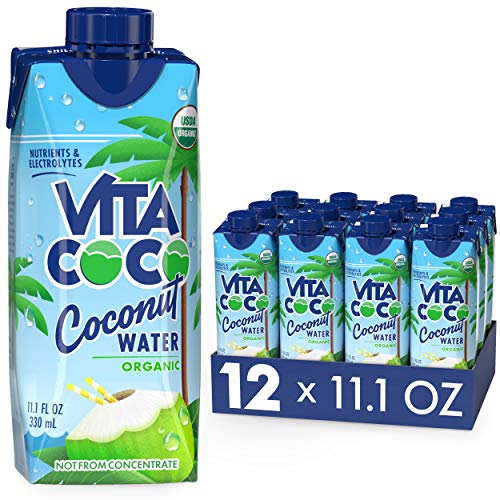
TASTE OF THE TROPICS | Not long ago you needed a ladder and a machete to get great-tasting coconut water. Now all you have to do is crack open a Vita Coco.

Convenient 4-Pack; perfect for families

The pioneer and leader of organic coconut water
Coconut Palm
Coconut palms thrive in tropical areas. They grow to heights of 50 to 80 feet. Coconuts form in clusters along the upper part of the trunk. The fruit has a hard shell and contains refreshing water and white flesh. These coconuts provide hydration and healthy fats. Fresh coconuts can be enjoyed as a snack, while processed coconut is used in desserts, curries, and beverages.
Date Palm
Date palms flourish in arid regions, reaching heights of up to 75 feet. They produce sweet, chewy fruits known as dates. Dates grow in clusters, often seen hanging from the tree. Fresh or dried, they’re packed with energy and nutrients. Use dates in smoothies, salads, or as a natural sweetener. They’re also great for snacking on their own.
Oil Palm
Oil palms mainly grow in tropical regions, often exceeding 100 feet in height. They yield fruits that are small and reddish in color. The oil extracted from these fruits is widely used in cooking and processed foods. Palm oil is versatile and offers a slightly nutty flavor. You’ll find it in baked goods, margarine, and snack foods. When selecting palm oil products, look for sustainable sourcing to support eco-friendly practices.
Fruits Produced by Palm Trees
Palm trees produce a variety of fruits, each offering unique flavors and health benefits. Common examples include coconuts, dates, acai berries, and palm hearts. Each type of palm tree yields specific fruits that can enhance your diet and culinary experiences.
Recommended Products

Whole hearts of palm

The package length of the product is 6 inches

Nutritional Benefits
- Coconuts: High in healthy fats and electrolytes, coconuts provide hydration and energy. They also contain fiber and essential vitamins like C and E.
- Dates: Rich in fiber and natural sugars, dates make for a great energy boost. They also supply minerals such as potassium, magnesium, and copper.
- Acai Berries: Packed with antioxidants, acai berries support heart health and may improve cholesterol levels. They also contain essential amino acids and healthy fats.
- Palm Hearts: Low in calories and high in fiber, palm hearts are nutritious and provide vitamins like A and C. They enhance overall digestive health.
- Coconuts: Use coconut milk in smoothies, desserts, and soups. Shredded coconut can top salads or baked goods.
- Dates: Blend dates into energy bars or use them as a natural sweetener in recipes. Stuff them with nuts for a quick snack.
- Acai Berries: Prepare acai bowls topped with granola and fresh fruit. You can also incorporate them into smoothies for an antioxidant boost.
- Palm Hearts: Add palm hearts to salads, stir-fries, or as a topping on pizzas for a unique flavor and texture.
The Growing Conditions of Palm Tree Fruits
Palm trees thrive in specific conditions that influence the quality and quantity of their fruits. Understanding these requirements helps ensure healthy growth and fruitful yields.
Recommended Products

Contains magnesium, iron and manganese to grow lush palms, cyads and tropical plants

FEEDS UP TO 3 MONTHS: Miracle-Gro Shake 'N Feed Palm Plant Food is a tropical plant fertilizer that feeds palm plants for up to 3 months

Package contains 4 pounds organic fertilizer grains for palm trees and plants and is produced to avoid wasteful runoff, mess, hazards and smells
Climate Requirements
Palm trees flourish in warm, tropical and subtropical climates, typically between 20° to 40° latitude. These areas provide the consistent, warm temperatures that palm fruits need to mature. For instance, coconut palms prefer temperatures ranging from 70°F to 95°F and cannot tolerate frost. Alternatively, date palms handle colder climates better, withstanding temperatures down to 14°F when established. When selecting palm trees, consider your local climate to ensure successful growth.
Soil Preferences
Palm trees adapt best to sandy, well-drained soils. They struggle in waterlogged conditions, which can lead to root rot. Soil pH should range from 6 to 8, allowing for optimal nutrient uptake. For example, coconut palms thrive in sandy soils common to coastal regions, while date palms prefer fertile loamy soils found in desert areas. Regular amendments with organic matter can improve soil quality and provide essential nutrients for healthy growth and fruit production.
Conclusion
Exploring the fruits that grow on palm trees opens up a world of delicious possibilities. Whether you’re sipping on coconut water or enjoying sweet dates, these fruits add unique flavors and health benefits to your diet.
As you consider incorporating palm fruits into your meals remember their cultural significance and the joy they bring to various cuisines. By choosing sustainably sourced products you can enjoy these tropical delights while supporting responsible practices.
So next time you see a palm tree remember it’s not just a beautiful sight but also a source of tasty and nutritious treats waiting to be enjoyed.
Frequently Asked Questions
What are palm trees known for?
Palm trees are known for their tall, slender trunks and fan or feather-like leaves. They thrive in tropical and subtropical regions, providing shade and beauty while producing various delicious and nutritious fruits like coconuts, dates, and acai berries.
What types of fruits do palm trees produce?
Palm trees produce a variety of fruits, including coconuts, dates, acai berries, and palm hearts. Each type of fruit offers unique flavors and health benefits, contributing to their popularity in various cuisines and dishes.
What are the health benefits of palm fruits?
Palm fruits like coconuts are rich in healthy fats and electrolytes, dates provide fiber and natural sugars for energy, acai berries are high in antioxidants that support heart health, and palm hearts are low in calories but high in fiber.
Where do palm trees grow best?
Palm trees grow best in warm tropical and subtropical climates, typically between 20° to 40° latitude. They prefer sandy, well-drained soils with a pH range of 6 to 8 and thrive in temperatures specific to each variety.
How can I incorporate palm fruits into my diet?
You can incorporate palm fruits into your diet by adding coconut milk to smoothies, blending dates into energy bars, preparing acai bowls, or including palm hearts in salads and stir-fries. These fruits enhance both flavor and nutritional value.
What should I consider when sourcing palm oil?
When sourcing palm oil, it’s important to consider sustainability. Choose products certified by organizations that promote responsible cultivation practices to help protect the environment and support local communities affected by palm oil production.
