Close Menu
    Fruit Tree Hub
    • Home
    • Apple Trees
    • Lemon Trees
    • Mango Trees
    • Orange Trees
    • More Trees
      • Best Fruit Trees
      • Apricot Trees
      • Cherry Trees
      • Fig Trees
      • Lime Trees
      • Mulberry Trees
      • Peach Trees
      • Pear Trees
      • Plum Trees
      • Pomegranate Trees
    • Tips and Advice
      • Tools
    • About Us
      • Contact
      • Privacy Policy
    Fruit Tree Hub
    Home»Tips and Advice»How to Stop Deer from Eating Fruit Trees: Effective Strategies for Gardeners to Protect Their Harvest
    Tips and Advice

    How to Stop Deer from Eating Fruit Trees: Effective Strategies for Gardeners to Protect Their Harvest

    Martha JacksonBy Martha JacksonDecember 10, 20246 Mins Read
    Share Facebook Twitter Pinterest WhatsApp Email
    Share
    Facebook Twitter LinkedIn Pinterest Telegram Email

    Have you ever stepped outside to find your prized fruit trees stripped of their leaves? If you’ve dealt with deer munching on your garden, you know how frustrating it can be. These gentle creatures might be beautiful to watch, but they can wreak havoc on your hard work and dreams of a bountiful harvest.

    Contents show
    1 Key Takeaways
    2 Understanding the Problem
    2.1 Common Signs of Deer Damage
    2.2 Why Deer Choose Fruit Trees
    3 Effective Strategies
    3.1 Physical Barriers
    3.2 Repellents
    3.3 Plant Selection
    4 Additional Tips
    4.1 Timing and Maintenance
    4.2 Community Solutions
    5 Conclusion
    6 Frequently Asked Questions
    6.1 What are the common signs of deer damage on fruit trees?
    6.2 Why are deer attracted to fruit trees?
    6.3 How does deer feeding affect tree health?
    6.4 What are some effective ways to protect fruit trees from deer?
    6.5 How can I enhance defenses against deer?

    Key Takeaways

    • Understand Deer Behavior: Recognize the signs of deer damage, such as bite marks, rub marks, and missing fruit, to identify issues early.
    • Implement Physical Barriers: Use fences (at least 8 feet high), enclosures, and electric fencing to effectively protect your fruit trees from deer access.
    • Utilize Repellents: Apply scent-based and taste-based deer repellents, including commercial and homemade options, to deter deer from entering your garden.
    • Choose Deer-Resistant Plants: Incorporate plants like lavender and sage around fruit trees to create an unwelcoming environment for deer, while avoiding tempting species.
    • Monitor and Maintain: Regularly inspect trees, prune low branches, and clear fallen fruit to reduce attractants and reinforce your defenses throughout the growing season.
    • Engage the Community: Collaborate with neighbors for shared resources and strategies to enhance deer management efforts in your area.

    Understanding the Problem

    Deer pose a significant challenge for gardeners, particularly regarding fruit trees. Your investment of time and effort in planting these trees can quickly diminish due to deer munching on the leaves and fruit.

    MUST READ
    How Long for an Olive Tree to Bear Fruit: Essential Tips for Successful Growth and Care

    Common Signs of Deer Damage

    • Bite Marks: Look for unevenly chewed leaves or fruit on the ground. These signs indicate deer have been eating your trees.
    • Rub Marks: Examine the trunk for rub marks. Deer often scrape their antlers against trees to remove velvet.
    • Missing Fruit: Observe dropped or missing fruit. If it’s gone early in the season, deer might be the culprits.

    Why Deer Choose Fruit Trees

    • Taste: Deer prefer sweet and tender leaves and fruit.
    • Accessibility: Low-hanging fruit and reachable branches attract deer looking for an easy meal.
    • Habitat: Areas with shelter close to feeding spots entice deer.
    • Tree Health: Excessive feeding can weaken trees, making them more susceptible to disease.
    • Reduced Yield: Damaged trees produce less fruit, affecting your harvest.
    • Increased Maintenance: Ongoing deer visits necessitate additional care efforts and resources.

    Understanding these aspects can help you take effective measures to protect your fruit trees from deer.

    Effective Strategies

    Protecting your fruit trees from deer requires a few strategic approaches. Combining these methods enhances effectiveness.

    Recommended Products
    VITI Large Fruit Trees Netting Zipper - 2Pcs 10X10 FT with Drawstring Bird-Proof,Durable Mesh Covers for Blueberry,Apple,Pear,Peach,Orange Trees&Tomato Plants Bug Insect Protection Cover (2,10X10 FT)
    VITI Large Fruit Trees Netting Zipper - 2Pcs 10X10 FT with Drawstring Bird-Proof,Durable Mesh Covers for Blueberry,Apple,Pear,Peach,Orange Trees&Tomato Plants Bug Insect Protection Cover (2,10X10 FT)

    ✅【Premium Heavy-Duty Material for Long-Lasting Protection】 VITI Fruit Trees Netting Crafted from reinforced polyethylene with UV-resistant coating, this netting is designed to withstand harsh weather conditions, including sun exposure, rain, and wind, without tearing or degrading over time. Unlike flimsy alternatives, its tear-resistant structure ensures multi-season use, saving you replacement costs.

    VIEW LATEST PRICE

    As an affiliate, we earn on qualifying purchases.

    MUST READ
    When Will a Peach Tree Produce Fruit and Tips for Growing a Bountiful Harvest
    CandyHome 13Ft x 33Ft Anti Bird Netting Protection Mesh Garden Netting Seedlings Plants Flowers Fruit Trees Vegetables from Rodents Deer Reusable Fencing, Green
    CandyHome 13Ft x 33Ft Anti Bird Netting Protection Mesh Garden Netting Seedlings Plants Flowers Fruit Trees Vegetables from Rodents Deer Reusable Fencing, Green

    Excellent Material & Quality: Our bird netting is made of strong and durable PE with high stretch, light-weight but not tear easily; It is anti-UV and tough enough to withstand the effects of the sun and bad weather conditions, so you can use the garden netting repeatedly until the end of the season; The size of the poultry netting mesh refers to the measured length straightened from the far left to the far right

    VIEW LATEST PRICE

    As an affiliate, we earn on qualifying purchases.

    Easy Installation Fruit Tree Netting with Zipper & Drawstring - 6.2x6.2ft Ultra Fine Mesh Garden Protection Screen to Protect Pear Peach Apple from Bird Insect Bug Cicada Deer Squirrel
    Easy Installation Fruit Tree Netting with Zipper & Drawstring - 6.2x6.2ft Ultra Fine Mesh Garden Protection Screen to Protect Pear Peach Apple from Bird Insect Bug Cicada Deer Squirrel

    Strong Fruit Tree Protection: You'll receive 1 garden plant cover, which provides an ideal environment for your plants, fruits tree. It’s perfect for shielding your plants from pests, birds, squirrels, and other animals.

    VIEW LATEST PRICE

    As an affiliate, we earn on qualifying purchases.

    Physical Barriers

    Fencing provides one of the most effective defenses against deer.

    • Install a fence: A minimum height of 8 feet prevents deer from jumping over. Use sturdy materials like welded wire or wooden panels for durability.
    • Create an enclosure: Surround smaller areas with mesh or netting, specifically designed to keep deer out.
    • Use electric fencing: Low-voltage electric fences serve as a deterrent. Set it up at least 3 feet high and 3 feet away from trees.

    Repellents

    Utilizing deer repellents can keep these animals at bay.

    • Apply scent-based repellents: Products containing rotten eggs or predator urine create unpleasant smells, deterring deer from approaching.
    • Use taste-based repellents: Sprays or granules that taste bitter or unpleasant for deer can stop them from munching on your trees. Reapply regularly, especially after rain.
    • DIY options: Homemade solutions, like mixing water with garlic, hot pepper, or soap, can become effective deterrents. Spray these mixtures on your trees for additional protection.
    MUST READ
    Do Sakura Trees Produce Fruit and What You Need to Know About Their Unique Characteristics

    Plant Selection

    Choosing deer-resistant plants alongside your fruit trees aids in prevention.

    • Incorporate deer-resistant varieties: Plants like lavender, rosemary, and sage typically deter deer due to their strong scents.
    • Mix plantings: Encourage a variety of plants around your fruit trees, creating an unwelcoming environment for deer.
    • Avoid tempting species: Steer clear of plants known to attract deer, such as young fruit tree varieties or tender vegetables.

    Implement these strategies for a greater chance of success in safeguarding your fruit trees from deer.

    Additional Tips

    Enhancing your defense against deer involves practical strategies and community engagement. Here are some tips to consider.

    Recommended Products

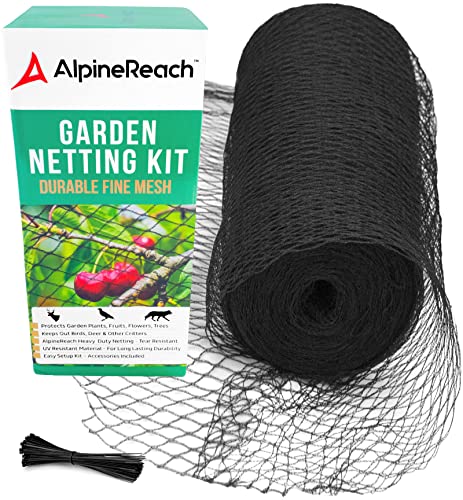
    AlpineReach Garden Netting 7.5 x 100 ft, Black Heavy Duty Bird Net
    AlpineReach Garden Netting 7.5 x 100 ft, Black Heavy Duty Bird Net

    Reliable Plant Protection – Designed to help keep your plants safe from birds, squirrels, rabbits, and other critters. The net is knitted from tough, weather-resistant material that maintains its strength through the seasons. It’s strong yet lightweight for easy handling and installation, gentle on leaves and stems, and simple to cut and secure with ties or stakes. Suitable for covering beds, fruit trees, and shrubs, and for use as bird netting.

    VIEW LATEST PRICE

    As an affiliate, we earn on qualifying purchases.

    YGAOHF 7 Pack Tree Trunk Protector Guard, Expandable Tree Wraps to Protect Bark, Heavy Duty Tree Protectors from Deer, Tree Guards Trunk Protecter Trimmers, Mowers, Animals Saplings Fruit Trees
    YGAOHF 7 Pack Tree Trunk Protector Guard, Expandable Tree Wraps to Protect Bark, Heavy Duty Tree Protectors from Deer, Tree Guards Trunk Protecter Trimmers, Mowers, Animals Saplings Fruit Trees

    Stackable and Expandable: The tree trunk protector is expandable, you can connect them vertically and horizontally to meet the height or diameter of your different trees and plants, suitable for saplings to mature trees. Flat size (1 pack): 15 inches * 10 inches (L x W)

    MUST READ
    What Fruits and Vegetables Grow on Trees and How to Grow Them in Your Garden
    VIEW LATEST PRICE

    As an affiliate, we earn on qualifying purchases.

    Yowlieu Mesh Tree Trunk Protectors, 6 Pack 40 Inches Tree Bark Protector Guard with Zip Ties Protect Tree from Deer Mowers Trimmers Rodents
    Yowlieu Mesh Tree Trunk Protectors, 6 Pack 40 Inches Tree Bark Protector Guard with Zip Ties Protect Tree from Deer Mowers Trimmers Rodents

    Trunk Protectors for Tree up to 40" Tall: Includes 6 Pcs mesh tree bark protectors and 60 zip ties & 12 U-shaped ground nails for easy installation. Each tree trunk protector measures 39.5 x 13.3", can protect a trunk up to 4 inches in diameter and 40 inches in height, You can connect the mesh protectors together to used for larger and wider trees

    VIEW LATEST PRICE

    As an affiliate, we earn on qualifying purchases.

    Timing and Maintenance

    Monitor your fruit trees during peak feeding times. Deer often browse in early morning or late evening. Pruning can also steer deer away from low-hanging branches, which are easier to access. Regular maintenance, like clearing fallen fruit, reduces attractants. Maintain fencing throughout the growing season, ensuring gaps are sealed to prevent entry.

    Community Solutions

    Engage with neighbors to implement collective deterrent strategies. Forming community groups can lead to shared resources, such as group fencing efforts or collective repellent purchases. Organizing a neighborhood meeting to discuss deer management can foster collaboration and amplify success. Sharing effective techniques amongst your community helps create a united front against deer.

    Conclusion

    Protecting your fruit trees from deer can feel like a daunting task but with the right strategies in place you can safeguard your hard work. By combining physical barriers with repellents and smart planting choices you’ll create an environment that’s less inviting to these hungry visitors.

    MUST READ
    How to Spray Fruit Trees for Bugs: Essential Tips for Healthy Harvests and Pest Control

    Remember to stay vigilant and adapt your methods as needed. Engaging with fellow gardeners can also provide support and fresh ideas. With a little effort and creativity you can enjoy a fruitful harvest without the worry of deer damage. Happy gardening!

    Frequently Asked Questions

    What are the common signs of deer damage on fruit trees?

    Deer damage can be identified by bite marks on leaves and branches, rub marks on tree trunks, and missing or stripped fruits. These signs indicate that deer have been feeding on your trees, causing frustration to gardeners.

    Why are deer attracted to fruit trees?

    Deer are drawn to fruit trees due to their sweet and tender leaves, the availability of low-hanging fruit, and nearby shelter. Their preference for easily accessible food sources makes fruit trees a prime target in gardens.

    How does deer feeding affect tree health?

    Deer feeding can weaken trees, reduce fruit yield, and increase maintenance efforts. Repeated damage hampers growth and can lead to long-term health issues for the trees, making them more susceptible to diseases and pests.

    What are some effective ways to protect fruit trees from deer?

    To protect fruit trees, consider tall fences, enclosures, or electric fencing as physical barriers. Using repellents, both scent-based and taste-based, can also deter deer. Mixing plantings and choosing deer-resistant plants are additional strategies.

    How can I enhance defenses against deer?

    Enhancing defenses includes regularly monitoring fruit trees during peak feeding times, maintaining and repairing fencing, and pruning low-hanging branches to limit access. Engaging with your community to share deterrent strategies can also improve overall effectiveness.

    Share. Facebook Twitter Pinterest LinkedIn Tumblr Email
    martha jackson
    Martha Jackson

      Martha Jackson is an accomplished freelance writer and editor with a strong interest in gardening. With a degree in English from the University of California, Berkeley, Martha has over 15 years of experience writing for a variety of publications. She is passionate about making gardening accessible to all and is always seeking out new techniques and innovations.

      Related Posts

      How Long Until Avocado Trees Bear Fruit and Tips for Faster Growth at Home

      February 20, 2025

      What Yellow Fruit Grows on Trees and Their Delicious Health Benefits

      February 20, 2025

      How to Air Layer Fruit Trees: A Step-by-Step Guide for Successful Propagation

      February 20, 2025

      When Do Grapefruit Trees Produce Fruit and How to Maximize Your Harvest

      February 20, 2025

      What Is a Fast Growing Fruit Tree: Discover Quick-Yield Options for Your Garden

      February 20, 2025

      Do Cherry Blossom Trees Have Fruit? Discover the Truth About Their Edibility and Benefits

      February 20, 2025
      Leave A Reply Cancel Reply

      Affiliate Disclosure

      As an Amazon Associate I earn from qualifying purchases.

      Recommended Reading

      Nectarine Trees in a Pot in Virginia: Expert Advice for Gardeners

      How to Pollinate Fruit Trees: Essential Tips for Boosting Your Harvest and Yield

      How Long Do Fruit Trees Take to Grow OSRS: Essential Tips for Efficient Gardening Strategies

      How Often Do You Need to Water Fruit Trees for Healthy Growth and Maximum Yield

      Top Cold-Hardy Fruit Trees for Alaska: Growing Tips and Varieties

      How Long Until a Peach Tree Produces Fruit: Essential Tips for Early Harvest Success

      Will Indoor Avocado Tree Bear Fruit: Essential Tips for Successful Cultivation

      Can Grapefruit Trees Grow in Ohio? Buckeye State Manual

      Growing Apricot Trees in Georgia (Success in the Peach State)

      How to Safely and Effectively Use a Bypass Tree Pruner: Essential Techniques and Maintenance Tips

      Fruit Tree Hub

      Fruit Tree Hub is a website dedicated to providing you everything you need to grow fruit trees successfully at in your own yard.

      Contact us at: [email protected]

      - AFFILIATE DISCLOSURE: As an Amazon Associate I earn from qualifying purchases.

      Latest Posts

      21 Colorful Halloween Crochet Motifs Featuring Pumpkins Bats and Black Cats

      23 Smart Halloween Crochet Ideas to Sell as Keychains and Coasters

      22 Fun Halloween Crochet Ideas Built Around Treat Bags and Hats

      23 Adorable Halloween Amigurumi Ideas Featuring Ghosts and Black Cats

      22 Compact Halloween Crochet Decorations for Shelves and Small Spaces

      19 Practical Halloween Crochet Decorations Designed for Tabletop Displays

      24 Cozy Halloween Crochet Decor Ideas Built Around Mantel Garlands

      19 Playful Kawaii Halloween Crochet Ideas Featuring Smiling Spooky Characters

      Categories
      • Almond Trees
      • Apple Trees
      • Apricot Trees
      • Best Fruit Trees
      • Blackberry
      • Cantaloupe
      • Cherry Trees
      • Crochet Ideas
      • Crochet Ideas for Beginners
      • Cucamelon
      • Easy Crochet Ideas
      • Easy Knitting Projects
      • Fall Crochet Ideas
      • Fig Trees
      • Grapefruit Trees
      • Grapes
      • Guava Trees
      • Halloween Crochet Ideas
      • Honeydew
      • Jujube Trees
      • Kiwi
      • Knitting For Beginners
      • Knitting Ideas
      • Knitting Inspiration
      • Lemon Trees
      • Lime Trees
      • Loquat Trees
      • Mango Trees
      • Mulberry Trees
      • Nectarine Trees
      • Olive Trees
      • Orange Trees
      • Papaya Trees
      • Peach Trees
      • Pear Trees
      • Persimmon Trees
      • Planting
      • Plum Trees
      • Pomegranate Trees
      • Quince Trees
      • Raspberry
      • Reviews
      • Small Crochet Ideas
      • Star Fruit Trees
      • Summer Crochet Ideas
      • Tamarind Trees
      • Tangerine Trees
      • Tips and Advice
      • Tools
      • Uncategorized
      • Walnut Trees
      © 2026 Fruit Tree Hub
      • Home
      • About Us
      • Contact
      • Privacy Policy
      • Terms and Conditions
      • Disclaimer
      • Editorial Policy
      • Affiliate Disclosure

      Type above and press Enter to search. Press Esc to cancel.