

Do you worry about your fruit trees making it through the cold winter months? You’re not alone. Many gardeners face the challenge of protecting their beloved trees from frost and freezing temperatures, which can threaten their health and future harvests.
In this article, you’ll discover practical tips and techniques to keep your fruit trees warm and thriving all winter long. From simple insulation methods to strategic placement, these strategies will help you safeguard your trees against the harsh elements. With a little effort, you can ensure your trees emerge healthy and ready to produce delicious fruit come spring.
Key Takeaways
- Importance of Winter Warmth: Keeping fruit trees warm during winter is vital for their health, growth, and future fruit production, reducing frost and chilling damage.
- Effective Mulching Techniques: Apply a thick layer of organic mulch around the tree’s base to insulate roots, retain moisture, and maintain stable soil temperatures.
- Proper Tree Wrapping: Use breathable materials like burlap to wrap trees, starting at the base and securing layers as you go, providing protection against sunscald and frost cracks.
- Innovative Heat Sources: String Christmas lights or use heating mats to provide gentle warmth to fruit trees during cold spells, keeping them insulated from freezing temperatures.
- Strategic Planting Locations: Position fruit trees in sunlit areas and near windbreaks to minimize exposure to harsh winter conditions and protect against frost.
- Utilizing Companion Planting: Incorporate cold-tolerant plants and evergreens around fruit trees for natural insulation and additional protection from winter winds.
Importance Of Keeping Fruit Trees Warm
Keeping fruit trees warm during winter plays a crucial role in their survival and fruit production. When temperatures drop, trees can experience stress that affects their growth and yield. Protecting them from extreme cold helps preserve their health.
Avoiding Frost Damage: Frost can harm buds and blossoms. Cold air settles near the ground, increasing the risk of chilling injuries. By insulating your trees, you reduce the chance of frost damage. Tightly wrapping trunks and covering roots can offer essential protection.
Promoting Healthy Growth: Warm conditions encourage better overall health for the fruit trees. When trees stay warm, they utilize nutrients effectively, leading to stronger structures and more abundant fruit. Adequate warmth supports the natural processes that lead to blooming in spring.
Increasing Cold Hardiness: Winter warmth helps the tree develop resilience against future cold spells. When you manage heat retention, trees can build up defenses during milder months, making them less susceptible to severe cold.
Understanding Chill Hours: Different fruit trees require specific chill hours for optimal fruit production. Insufficient chilling can lead to poor fruit set. By managing warm conditions, you help ensure that chill hour requirements are met, leading to a successful harvest.
Enhancing Overall Yield: A warm winter environment leads to consistent flowering and fruiting. Healthy, warm trees produce higher yields and better quality fruits. Paying attention to temperature protection will support your goal of fruitful trees in spring.
Best Practices For Winter Protection
Keeping your fruit trees warm during winter involves several effective strategies. These practices not only insulate the trees but also create a healthier environment for them to thrive until spring.
Recommended Products

Sturdy Material, Porous and Breathable: our tree wrap is made of jute burlap material. It was light weight so it didn't hurt the plants and keeping them warm saved them from freezing, and dries faster than most wraps after it gets wet so the danger of rotting is broken

Protect Plants: Natural burlap tree wrap will effectively prevent harmful organisms from invading plants, protect your plants from winter wind, snow, freezing rain and ice damage.

MULTIPLE SIZES FOR EVERY GARDEN NEED: Choose from five size options, from 40" x 10 ft to 40" x 70 ft, to match different coverage needs around your home and garden. Whether you are wrapping young tree trunks, covering shrubs, or preparing garden beds for cold weather, select the size that fits your winter plant care projects.re wrapping young tree trunks, covering shrubs, protecting potted plants, or setting up larger garden beds, you can select the size that works best for your winter prep.
Mulching Techniques
Mulching serves as an excellent insulator for fruit trees. Use organic materials, such as wood chips, straw, or shredded leaves. Here’s how to apply mulch effectively:
- Choose the Right Material: Select materials that decompose slowly, offering insulation over time.
- Apply a Thick Layer: Spread a layer of mulch at least 3 to 4 inches deep around the base of the tree, extending out to the drip line.
- Keep Away from the Trunk: Ensure mulch doesn’t touch the tree’s trunk to minimize the risk of rot and pest infestations.
- Moisten the Soil: Water the area before applying mulch. Wet soil retains heat better than dry soil.
Mulch not only insulates roots but also conserves moisture. It helps maintain a stable temperature for your trees.
Wrapping Trees
Wrapping trees adds an extra layer of protection against harsh winter elements. Follow these steps to wrap your fruit trees correctly:
- Select the Right Material: Use burlap, tree wrap, or breathable cloth. These materials offer insulation without trapping moisture.
- Start at the Bottom: Begin wrapping at the base of the trunk, spiraling up to the first set of branches. Overlap each layer to maximize coverage.
- Secure the Wrap: Use twine or tape to secure the wrap, ensuring it remains in place during winter storms.
- Remove in Spring: Once temperatures rise in spring, remove the wrap to prevent overheating.
Wrapping shields bark from sunscald and frost cracks, especially on young trees. It’s a straightforward method to enhance their chances of winter survival.
Using Heat Sources
Using heat sources effectively can keep your fruit trees warm during winter. Implementing various methods helps protect your trees from freezing temperatures.
Christmas Lights
Stringing Christmas lights around your fruit trees provides a simple and efficient heating solution. The lights generate warmth while they decorate your garden. Use non-LED lights, as they emit more heat. Wrap the lights around the tree trunk and extend them outward among the branches. For best results, ensure the lights cover the tree evenly. Keep the lights on during cold snaps, particularly at night when temperatures drop.
Heating Mats
Heating mats offer another effective way to warm your fruit trees. Position these mats underneath the trees or directly on the soil. They emit gentle heat, providing warmth to the roots and soil. Select mats with adjustable settings to control the temperature based on the specific needs of your trees. For optimal use, place the heating mats before severe cold spells begin. Monitor temperatures to ensure they remain consistent, helping to maintain a stable environment for your trees.
Natural Methods For Insulation
Keeping fruit trees warm during winter involves several natural methods. You can use effective strategies like careful planting location and companion planting to provide essential insulation for your trees.
Recommended Products

The Large plant cover is perfect for Plant size 55''-70"high and 84''-94" round, Heavy-weight FRCs (1.77oz./sq. yard): usually used to extend the growing season in spring and fall, allow 40%-60% light transmittance, and recommend 3°-8°F of freeze protection
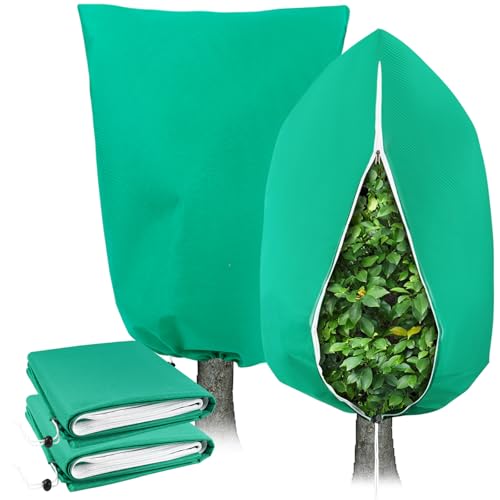
PLANT COVERS FREEZE PROTECTION FOR WINTER:You will receive 2 pack 47 * 72 inch frost blankets cloths for outdoor plants, designed specifically for outdoor plant protection, which can resist frost, snow, rain, wind, hail, animals, insects, birds, etc. Frost cloths for outdoor plants providing sufficient coverage space and is very suitable for shrubs, small trees, flowers, vegetables, etc

Upgrade Rounded Top Plant Covers: The plant covers freeze protection adopt a newly upgraded dome expansion design, creating maximum 3D protective insulation space. It outperforms flat covers of the same size, effectively reducing the risk of branch/leaf breakage, and provides a warm, safe overwintering environment for trees, shrubs, flowers, vegetables, and other outdoor plants in autumn and winter
Planting Location Considerations
Choosing the right planting location helps protect fruit trees from extreme cold. Select a site with good sunlight exposure, as sunlight helps raise temperatures around the trees. Position trees near structures or windbreaks like fences, shrubs, or walls, which can block harsh winds and reduce frost risk. Avoid low-lying areas where cold air settles, as these spots may experience freezing temperatures more frequently.
Companion Planting
Using companion planting enhances insulation. Plant cold-tolerant species around your fruit trees. Species like garlic, or chives act as a natural barrier, providing extra warmth through their foliage. Additionally, consider planting evergreens nearby, which can shield trees from winter winds while providing some shade on sunny winter days. Ensure that the companion plants don’t compete for nutrients or space, so your fruit trees remain healthy and robust.
Conclusion
Keeping your fruit trees warm during winter is essential for their health and future fruit production. By using insulation methods like mulching and wrapping your trees you can create a protective barrier against harsh conditions.
Don’t forget to utilize heat sources like non-LED Christmas lights or heating mats for that extra warmth when temperatures drop. Choosing the right planting location and companion plants can also make a big difference.
With a little effort and care your trees can thrive through the cold months and reward you with a bountiful harvest come spring. Happy gardening!
Frequently Asked Questions
Why is it important to protect fruit trees in winter?
Protecting fruit trees in winter is crucial for their survival and future fruit production. Cold temperatures can stress trees, affecting their growth and yield. By insulating your trees, you can avoid frost damage, promote healthy growth, and increase their cold hardiness.
How can I insulate my fruit trees?
You can insulate your fruit trees by using mulch, wrapping them with breathable materials like burlap, and placing heat sources like string lights or heating mats nearby. These methods help maintain stable temperatures and protect the trees from harsh winter elements.
What materials should I use for mulching?
For mulching, use organic materials such as wood chips or straw. These materials serve as excellent insulators, helping to conserve moisture and maintain stable soil temperatures. Ensure the mulch is applied correctly and kept away from the trunk to prevent rot.
How do I know if my fruit trees need more chill hours?
Different fruit trees have varying chill hour requirements for optimal fruit production. Monitoring your trees for consistent flowering in spring can indicate whether they have received adequate chill hours. If they haven’t, consider managing warm conditions or using companion planting to help meet their needs.
Can I use non-LED Christmas lights for warmth?
Yes, non-LED Christmas lights can generate warmth when strung around your fruit trees. They should be evenly distributed and kept on during cold snaps at night. This adds a decorative touch while providing some heat to help protect the trees from freezing temperatures.
What should I consider when selecting a planting location?
When selecting a planting location for your fruit trees, ensure it has good sunlight exposure and consider positioning them near structures or windbreaks. This helps protect them from extreme cold and reduces the risk of frost damage, improving their chances of thriving in winter.
