

Have you ever wondered what would happen if you skipped pruning your fruit trees? You might think letting them grow wild is a natural approach, but that could lead to some unexpected problems. Without proper care, your trees might become overgrown, making it harder to manage their health and fruit production.
In this article, you’ll discover the consequences of neglecting pruning and how it can impact your harvest. You’ll learn why regular trimming is essential for keeping your trees healthy and productive. By the end, you’ll have a clearer understanding of how to nurture your fruit trees for a bountiful yield.
Key Takeaways
- Importance of Pruning: Regular pruning is crucial for enhancing fruit tree health, growth, and fruit production, preventing potential issues linked to neglect.
- Consequences of Neglect: Failing to prune can lead to overgrowth, increased risk of disease, and reduced fruit yield, hindering the trees’ overall productivity.
- Identifying Pruning Needs: Look for signs such as overgrown canopies, crossing branches, and poor fruit production to determine when your fruit trees need pruning.
- Best Pruning Practices: Prune in late winter or early spring, use thinning and heading cuts, and maintain a balanced tree shape for optimal health and productivity.
- Disease Prevention: Regular pruning removes dead or damaged branches, reducing the risk of disease from pests and fungi while promoting healthy growth.
Importance Of Pruning Fruit Trees
Pruning fruit trees plays a vital role in maintaining their health and productivity. Neglecting this essential practice can lead to numerous problems that affect the lifespan and fruit yield of your trees.
Enhancing Growth
Enhancing growth is a primary benefit of pruning. When you remove dead or crowded branches, you stimulate the tree’s overall growth. Pruning directs the tree’s energy into producing new growth, resulting in a stronger, more resilient plant. For instance, a well-pruned apple tree can develop a balanced structure, allowing light to reach all parts, which is essential for its growth.
Promoting Fruit Production
Promoting fruit production is another critical outcome of regular pruning. Thinning out excess branches ensures that nutrients are not wasted and encourages the tree to produce larger, more flavorful fruits. For example, a peach tree with proper pruning can yield up to 50% more fruit compared to an unpruned one. Additionally, pruning prevents overcrowding, which minimizes competition among branches for sunlight and air, further boosting fruit development.
Consequences Of Neglecting Pruning
Neglecting to prune fruit trees leads to several negative outcomes. These issues affect tree health, fruit quality, and overall production.
Recommended Products
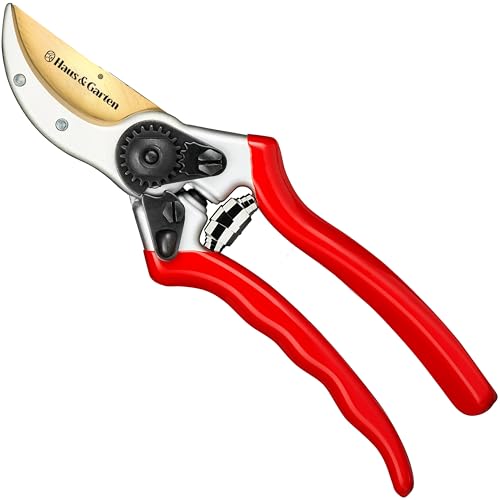
Sharp, Clean Cuts Every Time – Engineered from Japanese grade, high-carbon steel, ClassicPRO bypass pruning shears for gardening stay sharp and make precise cuts that encourage healthy growth and won’t damage your plants

What Makes VT-C800 Unique? Jam-Proof Sealed Spring | Ever-Sharp Dual-Coated SK5 Blades | Easy Thumb Lock | Backed by Lifetime Support

CLEAN CUTS FOR LIVE GROWTH: Bypass blade design is ideal for pruning delicate flower stems and green growth, helping reduce crushing and plant damage while cutting stems and small branches up to 5/8” in diameter
Overgrowth Issues
Overgrowth occurs when branches become dense and unruly. Crowded branches block sunlight and airflow, which are essential for healthy growth. Poor air circulation promotes moisture retention, making trees vulnerable to pests and diseases. Unpruned trees also become harder to manage. Harvesting fruit requires navigating through thick foliage, increasing the chance of damaging branches or the fruit itself. Regular pruning prevents these complications and keeps your trees within a manageable size.
Increased Disease Risk
Neglecting pruning increases the likelihood of diseases affecting your trees. Dead or decaying branches serve as breeding grounds for fungi and pests. These conditions can spread rapidly through the tree, leading to severe health issues. Additionally, unpruned trees may experience cramped, unhealthy growing environments that invite more disease. Pruning helps maintain strong and healthy trees by removing compromised branches, reducing the risk of disease outbreaks.
Signs Your Fruit Trees Need Pruning
Recognizing the signs that your fruit trees require pruning helps maintain their health and productivity. Watch for these indicators:
Visual Cues
- Overgrown Canopy: If branches extend excessively, it can create a dense canopy that blocks sunlight.
- Crossing Branches: When branches rub against each other, friction can cause wounds, inviting pests and diseases.
- Weak or Dead Branches: Missing leaves or brittle branches signal underlying issues and should be trimmed to enhance overall vitality.
- Unbalanced Shape: An uneven tree structure may indicate that some branches require trimming to promote a more balanced appearance.
- Poor Fruit Production: If your fruit yield declines without other explanation, it might stem from overcrowded branches limiting nutrient access.
- Pest Infestations: Increased pest activity could suggest compromised branches serving as breeding grounds for insects.
- Fungal Growth: The presence of fungi or rot on branches often indicates disease that requires immediate removal to protect healthy areas.
- Wilting Leaves: Leaves that are droopy or turning yellow can indicate stress from competition among branches; pruning can alleviate that competition.
By monitoring these signs, you can ensure your fruit trees remain healthy and productive, ultimately leading to a more fruitful harvest.
Best Practices For Pruning Fruit Trees
Maintaining healthy fruit trees requires understanding the best practices for pruning. Regular care ensures balanced growth, improved fruit production, and reduced disease risk.
Recommended Products

Unbreakable sharpness! Japanese SK5 steel blade with titanium coating endures 100,000 cuts. Built for lifelong clean cuts

Reduce Hand Strain: These micro tip snips are made to reduces hand fatigue which makes them great for those with arthritis, carpal tunnel, hand or wrist issues; Comfortable “grip” handles will make it easy to work for long-time use without making you feel hand pain

We have updated the handles of our gardening scissors by reducing the distance between the handles of the two large pruning shears so that they fit better in one hand, and by reducing the weight of the handles so that you can spend long periods of time picking fruit and pruning your garden, without the weight of the scissors tiring you out.
Timing Your Cuts
Timing plays a crucial role in pruning fruit trees. Pruning during late winter or early spring before new growth begins allows trees to heal efficiently and promotes robust growth. If you notice that your tree is producing fewer fruits, consider performing a light pruning in late summer to reshape the canopy. Pruning during the dormant season, particularly for most stone fruits, encourages vigorous new growth in the spring. Avoid pruning in late fall or early winter, as this can weaken trees and increase susceptibility to cold damage.
Techniques To Use
Using proper techniques while pruning enhances your trees’ health.
- Thinning cuts: Make precise cuts to remove entire branches, which minimizes the overall density of your tree. This method opens up the canopy, allowing sunlight to penetrate and air to circulate.
- Heading cuts: Trim back branches to encourage bushier growth. Initially cut about one-third of the branch’s length, promoting new shoot growth from buds below the cut.
- Cleansing cuts: Remove any dead, damaged, or diseased branches to prevent the spread of issues. Inspect each branch carefully before making the cut.
- Shape and balance: Maintain the natural shape of the tree by pruning outward-facing buds. This practice helps keep a balanced structure for better fruit production.
Always use sharp, clean tools to avoid damaging branches and transmitting diseases. After pruning, monitor your trees closely to ensure they’re thriving and adapting well to their new shape.
Conclusion
Neglecting to prune your fruit trees can lead to a host of problems that affect their health and productivity. Without regular trimming your trees may become overgrown and tangled making it difficult for sunlight and air to reach all parts of the tree. This can invite pests and diseases that threaten your harvest.
By taking the time to prune you’re not just shaping your trees but also nurturing them for better growth and fruit quality. Regular maintenance helps ensure your trees remain strong and vibrant leading to a more abundant and flavorful harvest. So grab those pruning shears and give your trees the care they deserve for a bountiful future.
Frequently Asked Questions
Why is pruning fruit trees important?
Pruning fruit trees is crucial for maintaining their health and productivity. It helps remove dead or crowded branches, improving sunlight and airflow. This leads to better nutrient absorption, resulting in larger and more flavorful fruits while preventing the spread of diseases.
What happens if I neglect pruning?
Neglecting pruning can result in overgrowth, making trees difficult to manage and harvest. Dense foliage can block sunlight and airflow, increasing the risk of pests and diseases. Unpruned trees may also produce lower-quality fruit and have a greater overall decline in health.
When should I prune my fruit trees?
The best time to prune fruit trees is during late winter or early spring, just before new growth begins. Light pruning in late summer can help reshape the canopy. This timing promotes robust growth and minimizes stress on the trees.
What signs indicate my fruit trees need pruning?
Look for signs like an overgrown canopy, crossing or weak branches, and poor fruit production. Other indicators include increased pest activity, fungal growth, or wilting leaves. Monitoring these cues helps maintain the health and productivity of your trees.
What pruning techniques should I use?
Effective pruning techniques include thinning cuts to reduce density, heading cuts for bushier growth, and cleansing cuts to remove dead or diseased branches. Always aim to maintain the tree’s natural shape and use sharp, clean tools to avoid injury.
