

Are your fruit trees ready to wake up from their winter slumber? Spring is the perfect time to give them the care they need to thrive. As the days get warmer and the buds start to swell, you might wonder how to ensure your trees produce a bountiful harvest.
Key Takeaways
- Spring Care is Essential: Taking care of fruit trees in spring is crucial for their growth, fruit production, and overall health, setting the foundation for a fruitful harvest.
- Pruning and Fertilizing: Prune trees before buds appear to enhance sunlight penetration and air circulation. Apply a balanced fertilizer early in the season to ensure trees receive essential nutrients.
- Pest and Disease Management: Regularly inspect for pests and diseases. Use organic treatments, such as neem oil, to protect new growth from infestations and maintain tree health.
- Watering and Mulching: Implement consistent watering practices and apply mulch to retain moisture, control weeds, and regulate soil temperature, promoting healthy root development.
- Monitoring Tree Health: Conduct weekly inspections for signs of stress or disease, such as drooping leaves or discoloration, to identify and address issues promptly for optimal growth.
- Seek Professional Help: If facing severe pest problems, persistent disease symptoms, or structural issues, consult a professional to ensure the long-term health of your fruit trees.
Importance of Spring Care for Fruit Trees
Spring care for fruit trees is crucial for their overall health and productivity. As trees wake from winter dormancy, they require specific attention to foster growth. Proper spring care creates conditions that lead to a thriving, fruitful harvest.
Enhances Growth
Spring care boosts the growth of fruit trees. Fertilizing in early spring provides essential nutrients. For example, apply a balanced fertilizer containing nitrogen, phosphorus, and potassium, which supports root development and leaf production.
Prepares for Fruit Production
Spring care prepares trees for successful fruit production. Pruning removes dead or overcrowded branches, allowing sunlight and air to penetrate. This promotes better flower and fruit development. Aim to prune before buds appear for maximum effectiveness.
Strengthens Resistance to Pests and Diseases
Spring care strengthens trees against pests and diseases. Applying organic insecticides or fungicides protects new growth. Monitor for signs of pests, like aphids or spider mites, and take action swiftly to prevent infestations.
Improves Pollination Success
Spring care enhances pollination success. Ensuring healthy blossoms attracts pollinators such as bees. Planting companion flowers nearby can encourage pollination, leading to a higher yield.
Establishes Healthy Root Development
Spring care establishes healthy root development. Watering trees during dry spells ensures they don’t stress out. Deep watering every two to four weeks fosters strong root systems, vital for nutrient absorption throughout the growing season.
Encourages Fruit Quality
Spring care encourages high fruit quality. Regularly checking for pests and maintaining tree health results in better-tasting, more nutritious fruit. Implementing mulch helps retain moisture and regulate soil temperature, supporting overall fruit quality.
By focusing on these elements during spring, you create an environment where fruit trees can flourish, leading to a more abundant harvest.
Essential Steps for Spring Care
Taking care of your fruit trees in spring sets the foundation for a flourishing season. Follow these essential steps to ensure healthy growth and a fruitful harvest.
Recommended Products


UPGRAFE PROFESSIONAL GARDENING GRAFTING TOOLS: Professional grafting set, including 2 in 1 grafting pruning tools, 3 replaceable blades, a grafting knife, a pruning shears, a screwdriver, a wrench, 3 grafting films, and 45 colorful tag cards

Package Includes: Contents 1 Manual gardening grafting cutter and 2 rolls of 2 sizes of grafting tape, meeting your needs.
Pruning and Shaping
Pruning encourages strong growth. Start by removing dead, damaged, or crowded branches. Focus on creating an open shape that allows sunlight and air to reach the center. Use sharp, clean tools for precise cuts. For example, prune apple trees before they bud, while cherry trees benefit from shaping after they flower. This practice not only increases fruit production but also maintains tree health.
Fertilizing Techniques
Fertilizing boosts nutrient availability. Apply a balanced fertilizer designed for fruit trees, such as a 10-10-10 or 12-12-12 mix. Spread it around the base, avoiding contact with the trunk. Follow package instructions for application rates based on your tree size and age. For instance, young trees need about one cup, while older trees may require three cups. Water thoroughly after fertilizing to promote nutrient absorption.
Pest and Disease Management
Managing pests and diseases protects your trees. Regularly inspect leaves and branches for signs of infestation, such as discoloration or holes. Implement organic treatments like neem oil or insecticidal soap. For example, apply neem oil to combat aphids or spider mites. Additionally, maintain cleanliness by raking fallen leaves to reduce disease risk. Consider using sticky traps to monitor and control insect populations effectively.
Watering and Mulching
Proper care in spring involves adequate watering and mulching for your fruit trees. These practices not only promote healthy growth but also prepare your trees for the warmer months ahead.
Recommended Products
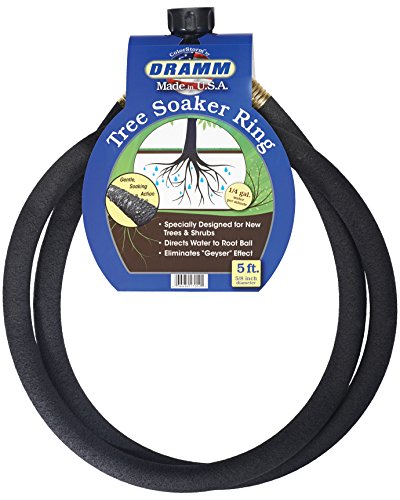
Thoroughly waters using 90% less water than conventional watering

Lightweight water hose is made of 100% recycled vinyl, clog resistant fabric cover for consistent soaking in the garden or around foundations

Slowly waters the soil around your plants for complete root zone hydration; Ideal for short runs on flat surfaces, such as vegetable gardens, borders, and around small plants
Proper Watering Practices
Water your fruit trees consistently as they come out of dormancy. Focus on the following practices:
- Frequency: Water once a week, aiming for at least one inch of water. Adjust based on rainfall and soil moisture.
- Depth: Ensure water penetrates 12 to 18 inches deep, promoting deeper root growth. Use a soaker hose or drip irrigation for efficiency.
- Timing: Water in the early morning to minimize evaporation. Avoid evening watering, which can promote fungal issues.
- Signs of Need: Check for drooping leaves or dry soil. These signs indicate your trees require more moisture.
Benefits of Mulching
Mulching offers multiple advantages for fruit trees, enhancing their health and growth. Consider the following benefits:
- Moisture Retention: Mulch helps retain soil moisture, reducing the frequency of watering.
- Weed Control: A layer of mulch inhibits weed growth, minimizing competition for nutrients.
- Temperature Regulation: Mulch regulates soil temperature, keeping roots cooler in summer and warmer in spring.
- Nutrient Addition: Organic mulch, like wood chips or straw, breaks down over time, enriching the soil with nutrients.
Efficient watering and proper mulching form the foundation of fruitful growth. These strategies set your fruit trees up for a successful season ahead.
Monitoring Tree Health
Monitoring the health of fruit trees in spring is essential for promoting growth and preventing issues. You can ensure your trees thrive by identifying problems early and addressing them promptly.
Recommended Products


【WHAT YOU GET】1pc double blade grafting knife, 3pcs grafting tapes, and 50pcs write-on plant label (10 of each color).

Signs of Stress or Disease
Look for common indicators of tree stress or disease, such as:
- Wilting Leaves: Leaves that droop may indicate inadequate water or root problems.
- Discoloration: Yellowing or browning leaves can signal nutrient deficiencies or disease.
- Abnormal Growth: Stunted or deformed branches may suggest pest infestations or environmental stress.
- Bark Issues: Cracks, lesions, or peeling bark often indicate underlying health problems.
- Falling Fruit or Blossoms: Premature fruit or flower drop can result from stress or pest activity.
Conduct regular inspections, preferably every week, especially after rainstorms or strong winds. This vigilance allows for early detection of any issues you might face.
When to Seek Professional Help
Some situations require expertise beyond your own. Consider contacting a professional if you notice:
- Severe Pest Infestations: If pests overwhelming your trees aren’t responding to treatments, experts can recommend targeted solutions.
- Disease Symptoms Persisting: In cases of ongoing leaf discoloration or branch dieback, specialists can diagnose diseases that need specific treatments.
- Structural Issues: If branches exhibit severe weakness or if tree stability appears compromised, an arborist’s assessment is crucial.
- Poor Growth After Care: If trees show no improvement despite proper care routines, professional evaluation may uncover hidden problems.
Acting on these signs and knowing when to seek help ensures your fruit trees remain healthy and productive throughout the spring.
Conclusion
Taking care of your fruit trees in spring sets the stage for a bountiful harvest. By focusing on proper pruning fertilizing and pest management you’re giving your trees the best chance to thrive. Remember to keep an eye on their health and respond to any signs of stress early on.
With a little effort and attention your trees will reward you with delicious fruits and vibrant growth. Enjoy the process and watch your garden flourish as the season progresses. Happy gardening!
Frequently Asked Questions
Why is spring care important for fruit trees?
Proper spring care is essential for promoting healthy growth and ensuring a fruitful harvest. It helps trees emerge from winter dormancy, supports stronger resistance to pests and diseases, and enhances overall productivity.
What are the key practices for spring care of fruit trees?
Key practices include fertilizing with a balanced mix of nutrients, pruning for improved sunlight access, applying organic treatments for pest protection, consistent watering, and mulching for moisture retention and weed control.
How should I prune my fruit trees in spring?
Prune to remove dead or crowded branches, which encourages strong growth. Aim to shape the tree to enhance sunlight penetration and air circulation, promoting better health and fruit production.
What type of fertilizer should I use for fruit trees?
Use a balanced fertilizer tailored to your tree’s size and age. A good nutrient mix provides essential elements for growth and supports fruitful harvests during the spring season.
How can I manage pests and diseases in spring?
Regular inspections are crucial for identifying pests or diseases early. Use organic treatments like neem oil as needed, and maintain a clean environment around your trees to lower disease risk.
How often should I water my fruit trees in spring?
Consistent watering is vital. Pay attention to the moisture needs based on weather conditions and tree type. Water deeply and regularly, particularly during dry spells, to encourage healthy root development.
What are the signs of stress or disease in fruit trees?
Look for wilting leaves, discoloration, abnormal growth, bark issues, or unexpected fruit drop. If you notice any of these signs, inspect your tree closely and take action as needed.
When should I seek professional help for my fruit trees?
Seek professional assistance if you encounter severe pest infestations, persistent disease symptoms, structural issues, or if trees aren’t responding to care. Early intervention can help maintain tree health and productivity.
