

Do you find yourself wondering how to properly water your nectarine tree for optimal growth and fruit production? Picture this: you’ve planted a beautiful nectarine tree in your garden, but you’re unsure about the right watering routine to ensure its health and vibrancy. In this article, you’ll discover simple yet effective techniques to water your nectarine tree like a pro.
By learning the best practices for watering your nectarine tree, you’ll not only nurture its growth but also enjoy a bountiful harvest of delicious, juicy nectarines. Understanding the specific watering needs of your tree can make a significant difference in its overall health and productivity. Stay tuned to uncover the secrets to keeping your nectarine tree thriving and fruitful.
Key Takeaways
- Proper watering is crucial for nectarine trees’ optimal growth, fruit production, stress prevention, nutrient uptake, and disease resistance.
- Factors such as soil type, watering frequency, root depth, water amount, mulching, and drought stress should be considered when watering nectarine trees.
- Effective watering techniques for nectarine trees include adjusting watering frequency based on tree age, checking soil moisture levels, ensuring deep watering, mulching, monitoring for drought stress, and using appropriate watering methods.
- Signs of overwatering in nectarine trees include wilting, yellowing leaves, and fungus growth, while signs of underwatering include wilting, drooping leaves, and browning edges.
Importance of Proper Watering for Nectarine Trees
Understanding the significance of proper watering for your nectarine trees is crucial for their health and fruit production. By following recommended watering practices, you can ensure that your trees thrive and yield a bountiful harvest. Here’s why proper watering is essential for your nectarine trees:
- Optimal Growth
Watering your nectarine trees correctly promotes healthy root development and overall growth. Adequate water intake helps the trees absorb essential nutrients from the soil, leading to robust and sturdy trees. - Fruit Production
Proper watering directly impacts fruit production. Consistent watering ensures that the tree can produce a sufficient amount of blossoms, which later develop into delicious nectarines. Inadequate watering can result in reduced fruit yield or poor-quality fruits. - Stress Prevention
Regular and appropriate watering helps prevent stress in nectarine trees. Consistency in watering schedules prevents the trees from experiencing drought stress, which can weaken the tree and make it more susceptible to diseases and pests. - Nutrient Uptake
Water acts as a carrier for nutrients in the soil. When you water your nectarine trees correctly, you aid in the uptake of essential minerals and nutrients, supporting the overall health and vitality of the trees. - Disease Resistance
Proper watering practices contribute to the tree’s ability to resist diseases. Overwatering can lead to root rot and fungal infections, while underwatering can make the tree more vulnerable to stress-related issues. Finding the right balance is key to maintaining a healthy tree.
Ensuring that your nectarine trees receive appropriate watering is a fundamental aspect of their care. By understanding why proper watering is essential, you can provide your trees with the best conditions for growth, fruit production, and overall health.
Factors to Consider for Watering Nectarine Trees
To ensure your nectarine trees thrive and bear delicious fruits, certain factors should guide your watering practices. Below you’ll find key considerations for watering your nectarine trees effectively:
Recommended Products
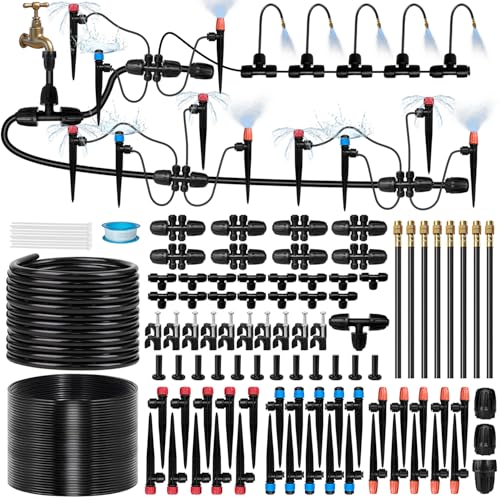
【Upgraded Tube Design & Water Saving】 Our garden watering system is upgraded to 1/2” diameter to support high water pressure. The 1/2” tee connector allows seamless splitting into 2 independent zones for customized watering schedules. By delivering moisture directly to root zones, this drip Irrigation system significantly reduces evaporation and runoff—saving more water compared to conventional sprinklers while eliminating the need for manual watering.
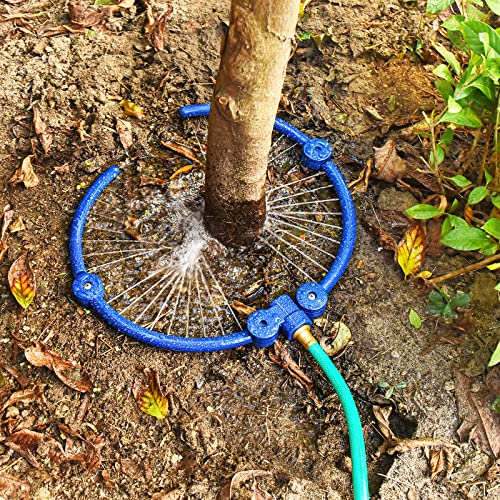
【Specially Designed for Trees and Shrubs】 The Watering Ring is a multi-purpose irrigation ring that attaches to a garden hose to efficiently water young trees shrubs vegetables or flower beds using drip or trickle irrigation.It directs water to the root perimeter of the plant to give them a good start during the first two growing seasons or through periods of drought.

NO MORE HARD INSTALLATION - SET UP IN MINUTES. Tired of struggling with stiff barbed fittings? This drip irrigation system features quick-connect fittings that let you push, lock, and secure tubing effortlessly. No tools, no leaks, just a smooth setup experience. Enjoy a frustration-free installation and get your garden watering system running in minutes.
1. Soil Type:
Ensure you plant your nectarine tree in well-draining soil. Sandy loam or loamy soil types are ideal for nectarine trees. These soils allow water to penetrate evenly and prevent waterlogging, which can harm the tree’s roots.
2. Watering Frequency:
During the growing season, water your nectarine tree deeply once a week. However, adjust this schedule based on weather conditions. In hot, dry climates, you may need to water more often to keep the soil consistently moist.
3. Root Depth:
Nectarine tree roots generally extend outward and slightly downward from the trunk. When watering, focus on watering the soil around the drip line to encourage root growth. This area is where the majority of the roots are actively absorbing water and nutrients.
4. Amount of Water:
Provide enough water to moisten the soil to a depth of at least 12 inches. Use a soaker hose or drip irrigation system to deliver water directly to the root zone. Avoid frequent shallow watering as it can lead to shallow root development.
5. Mulching:
Applying a layer of organic mulch around the base of the nectarine tree helps retain soil moisture, regulates soil temperature, and suppresses weed growth. Mulch also reduces water evaporation from the soil, ensuring the tree’s roots have consistent access to moisture.
6. Drought Stress:
Monitor your nectarine tree for signs of drought stress, such as wilted leaves or drooping branches. If you observe these signs, increase the frequency of watering to help the tree recover. Adequate watering is crucial, especially during periods of intense heat or drought.
By considering these essential factors when watering your nectarine trees, you can promote healthy growth, robust fruit production, and overall vitality in your orchard. Remember, proper watering practices play a significant role in the well-being of your nectarine trees.
Watering Techniques for Nectarine Trees
To ensure your nectarine trees thrive and bear delicious fruit, it’s crucial to implement proper watering techniques. Understanding the specific needs of nectarine trees will help you promote healthy root development, robust growth, and abundant harvests. Follow these guidelines to water your nectarine trees effectively:
Recommended Products

【Upgraded Tube Design & Water Saving】 Our adjustable garden watering system is upgraded to 1/2” diameter to support high water pressure. The 1/2” tee connector in the package so you can easily set up 2 drip irrigation systems as needed. Garden watering systems minimize stage water loss by recharging water directly to plant roots. While traditional irrigation often results in wasted water, this drip irrigation system saves up to 70% of water, no need for manual watering, saves water.

【Universal 1/4 Inch Size Set】- Designed for US market compatibility,MIXC new drip irrigation system set uses 1/4 inch (6mm) components to address potential mismatches with standard hoses, unlike some 5/16 inch systems. It includes 2-way connectors, tubing, and 3-way connectors to help users set up DIY garden irrigation more conveniently.

1. Watering Frequency:
Water young nectarine trees regularly during the first two years to aid in establishing strong root systems. Afterward, water deeply but infrequently to encourage deep root growth. Aim to water your nectarine trees every 7-10 days during dry periods.
2. Soil Moisture Levels:
Check the soil moisture around your nectarine trees regularly. Ensure that the soil is moist but not waterlogged. Stick your finger into the soil up to two inches; if it feels dry, it’s time to water.
3. Watering Depth:
Apply water slowly to allow for deep penetration. Ideally, the water should reach at least 12-18 inches deep to ensure the roots receive adequate moisture.
4. Mulching:
Mulch around the base of your nectarine trees to help retain soil moisture, regulate temperature, and suppress weed growth. Use organic materials like wood chips or compost and maintain a mulch layer of 2-4 inches.
5. Drought Stress:
Keep an eye out for signs of drought stress, such as wilting leaves or drooping branches. If you notice these symptoms, increase watering frequency or depth to help your nectarine trees withstand dry periods.
6. Watering Method:
Consider using drip irrigation or a soaker hose to deliver water directly to the root zone of your nectarine trees. This method can help prevent water wastage and ensure efficient watering.
By following these watering techniques, you can maintain the health and vitality of your nectarine trees, ultimately leading to a bountiful harvest of delicious nectarines in your orchard.
Signs of Overwatering and Underwatering in Nectarine Trees
Watering your nectarine trees is essential, but knowing when you might be overdoing it or not giving them enough water is crucial. Here are signs to help you identify if your trees are getting too much or too little water:
Recommended Products

Accurate Soil Moisture Detection: The XLUX Soil Moisture Meter can tell you if the soil deep inside your pot or garden is dry, moist or wet; whereas your eyes and fingers can only determine the moisture level of the soil surface. The probe is 5.5 inches (14 cm) longer than regular styles, allowing it to measure the soil moisture at the bottom of larger and deeper flower pots.

Accurate Soil Moisture Detection: The XLUX Soil Moisture Meter detects deep soil moisture in pots or gardens (dry/moist/wet), unlike eyes or fingers that only sense surface soil.

Kindly NOTE: This soil tester can not be applied to test pH value of any other liquid. If the soil is too dry the indicator will not move, and water it before testing.
Signs of Overwatering:
- Wilting – Even though it may seem contradictory, overwatering can cause the leaves to wilt due to root damage.
- Yellowing Leaves – If the leaves are turning yellow and the soil feels excessively wet, it could be a sign of overwatering.
- Fungus Growth – Excessive moisture can lead to fungal issues like root rot or powdery mildew on the leaves.
- Wilting – Similar to overwatering, underwatering can also cause the leaves to wilt, but the soil will be dry.
- Drooping Leaves – The leaves may appear limp and droopy when the tree lacks sufficient water.
- Browning Edges – If the edges of the leaves are turning brown and crispy, it could indicate underwatering.
Monitoring your nectarine trees regularly and being attentive to these signs will help you adjust your watering practices to keep your trees healthy and thriving.
Conclusion
You’ve learned the essential watering techniques for nectarine trees to support their growth and fruit production. Understanding the specific needs like soil moisture levels, frequency, and mulching is crucial for their well-being. By recognizing signs of overwatering and underwatering, such as wilting and leaf discoloration, you can adjust your watering practices accordingly. Remember, healthy root development is key to robust growth. Keep an eye out for any signs of stress and make necessary adjustments. With the right watering approach, you’ll be on your way to nurturing thriving nectarine trees in your orchard.
Frequently Asked Questions
How often should I water my nectarine trees?
Water newly-planted nectarine trees deeply every 7-10 days in the absence of rain. Adjust based on weather conditions and soil moisture levels.
How do I know if my nectarine tree is getting too much water?
Signs of overwatering in nectarine trees include wilting, yellowing leaves, and fungus growth around the base.
What are the indications of underwatering in nectarine trees?
If nectarine trees are underwatered, they may exhibit wilting, drooping leaves, and browning edges on the leaves.
Why is mulching important for nectarine trees?
Mulching helps retain soil moisture, suppresses weed growth, and regulates soil temperature, benefiting nectarine tree growth.
How can I prevent drought stress in my nectarine trees?
Regularly monitor soil moisture levels, adjust watering frequency, and consider mulching to help prevent drought stress in nectarine trees.
