

Have you ever watched helplessly as birds feasted on your ripe fruit, leaving you with nothing but bare branches? It’s a frustrating situation many gardeners face. Protecting your hard-earned harvest from feathered pests can feel like an uphill battle.
But don’t worry; you’re not alone in this struggle. This article will guide you through the simple steps of bird netting your fruit trees. You’ll learn how to effectively safeguard your crops while ensuring the birds stay safe too. By the end, you’ll be ready to enjoy a bountiful harvest without the worry of sharing it with your avian visitors.
Key Takeaways
- Understanding Bird Netting: Bird netting is a lightweight barrier that protects fruit trees from birds while allowing essential sunlight and rain through.
- Benefits of Bird Netting: It effectively prevents fruit damage, is easy to install, reusable, requires low maintenance, and safely allows access for beneficial insects.
- Choosing the Right Material: Select from options like polyethylene or polypropylene netting, considering factors like mesh size, durability, and wildlife safety.
- Installation Steps: Prepare your tree by trimming branches and inspecting for pests, then drape and secure the netting properly to protect your harvest.
- Regular Maintenance: Inspect and repair netting weekly to address any wear or damage, ensuring continued protection against birds throughout the fruiting season.
Understanding Bird Netting
Bird netting provides a practical solution for protecting your fruit trees from feathered pests. This lightweight, flexible material forms a barrier that prevents birds from reaching ripe fruits while allowing sunlight and rain to nourish your trees.
Recommended Products

✅【Premium Heavy-Duty Material for Long-Lasting Protection】 VITI Fruit Trees Netting Crafted from reinforced polyethylene with UV-resistant coating, this netting is designed to withstand harsh weather conditions, including sun exposure, rain, and wind, without tearing or degrading over time. Unlike flimsy alternatives, its tear-resistant structure ensures multi-season use, saving you replacement costs.

Size: Deer netting size 7 feet x 100 feet; garden netting mesh size 3/4"; color: black; Easy to use accessories included: 10pcs installation nails & 50pcs cable ties
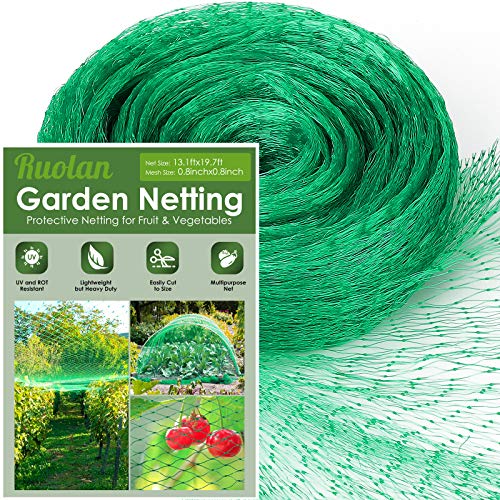
【Perfect size】(Garden Netting size 13ftX20ft, Mesh Size 0.8inchX0.8inch), Protect fruit tree plant blueberry strawberry from animals
What Is Bird Netting?
Bird netting consists of mesh fabric made from materials like polyethylene or polypropylene. The mesh size varies, with smaller openings suitable for deterring smaller birds and larger openings effective for bigger species. Available in various sizes, it adapts easily to different tree shapes and garden layouts. You can find it in garden stores or online, often marketed as “bird exclusion netting” or “bird protection netting.”
Benefits of Bird Netting for Fruit Trees
Using bird netting offers several benefits for your fruit trees:
- Effective Protection: Prevents birds from pecking at fruits, reducing damage and loss.
- Simple Installation: Easy to install with minimal tools. Just drape it over and secure it at the base.
- Versatile Use: Suitable for most fruit-bearing trees, including apple, cherry, and peach varieties.
- Low Maintenance: Requires little upkeep and can be reused season after season if cared for properly.
- Safe for Wildlife: Allows beneficial insects and small critters to access trees while keeping larger birds away.
Bird netting provides a reliable way to ensure your harvest remains intact, enabling you to enjoy the fruits of your labor without sharing with birds.
Selecting the Right Netting Material
Choosing the right netting material is crucial for successfully protecting your fruit trees from birds. Various options exist, each with unique benefits and considerations.
Recommended Products
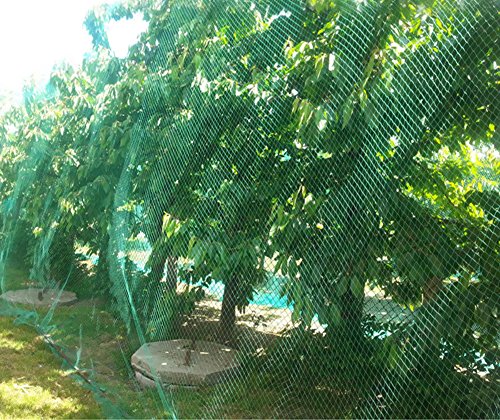
Excellent Material & Quality: Our bird netting is made of strong and durable PE with high stretch, light-weight but not tear easily; It is anti-UV and tough enough to withstand the effects of the sun and bad weather conditions, so you can use the garden netting repeatedly until the end of the season; The size of the poultry netting mesh refers to the measured length straightened from the far left to the far right

Effective Pest Protection: Designed with a dense fine mesh and tight weave, keeps insects, birds, and small animals away from your fruits and vegetables, prevents them eating and damaging your fruit

【Perfect Size for Garden Protection】Avagiaforu bird netting for garden measures 13ft x 32ft with 0.8" x 0.8" mesh, providing wide coverage for beds, balconies, raised gardens and trees. This netting for garden protection allows sunlight, rain, airflow and pollinators to pass through while helping protect vegetables, plants and fruit trees for healthier growth and better harvests
Types of Netting Materials
- Polyethylene Netting: Lightweight and durable, polyethylene netting resists UV rays and weather elements. It comes in various mesh sizes, making it adaptable for different fruit types.
- Polypropylene Netting: This option is known for its strength and long lifespan. It typically offers a tighter weave, which can prevent even smaller birds from accessing your fruit.
- Knotted Vs. Knotless: Knotted netting tends to be more robust as it distributes pressure better. Knotless netting usually provides a smoother surface that can be less damaging to fruits but might be less durable.
- Heavy-Duty Netting: For areas with larger bird populations, consider heavy-duty options. These are thicker and provide more resistance against wear and tear.
- Mesh Size: Select a mesh size that fits the size of the birds in your area. Smaller holes protect against smaller species, while larger holes suit bigger birds.
- Durability: Evaluate the expected lifespan in your climate. Choose materials that withstand local weather conditions, such as rain, wind, or intense sunlight.
- Ease of Installation: Look for netting that’s simple to install and remove. Choose styles that allow for quick access to your fruit when needed.
- Safety for Wildlife: Ensure the netting does not entangle beneficial wildlife. Look for lightweight options that allow insects and smaller creatures to pass through freely.
- Cost: Compare different materials and their prices. While high-quality netting may come at a higher cost, it often provides better protection and lasts longer, making it a worthwhile investment.
Step-by-Step Guide on How to Bird Net Fruit Trees
Bird netting protects your fruit trees from avian pests while allowing sunlight and rain to nourish them. Follow these steps for effective installation.
Recommended Products

Humane Protection – Helps keep out birds and garden pests without harmful chemicals or traps; a gentle garden netting that shields fruits, vegetables, and blooms while allowing light, air, and moisture through, and stays considerate of wildlife.

Protect Your Vegetables and Fruits: LCHUANG Garden Netting is great for orchards, greenhouses, gardens, nurseries, patios, and shrubs. This Bird Netting with a zipper can protect blueberries, tomatoes, trees, fruits, flowers, vegetables, and potted plants from insects, birds, and bugs, which helps the plants grow normally.

HDPE Material for Outdoor Garden Use: Made from high-density polyethylene (HDPE), RIFNY garden bird netting is designed for outdoor plant protection and repeated seasonal use. The flexible mesh is suitable for backyard gardeners, vegetable gardens, raised beds, fruit trees, blueberry bushes, flower gardens, and orchards. The black netting provides a practical barrier for protecting plants while maintaining airflow and sunlight
Preparing the Tree for Netting
- Choose the Right Time: Net your fruit trees in early spring before the fruit sets. Monitor trees closely for bird activity.
- Trim Branches: Trim any overgrown branches to create a clear space for the netting. This eases installation and prevents tangling.
- Inspect for Pests: Check for pests or diseases. Address any issues to ensure the tree’s health before netting.
Installing the Bird Netting
- Select the Netting: Choose lightweight mesh netting, preferably polyethylene or polypropylene. The mesh size should suit the tree and type of birds.
- Unroll the Netting: Lay the netting flat and unroll it on the ground near the tree. Ensure it’s large enough to cover the entire canopy without tightness.
- Drape Over the Tree: Gently drape the netting over the tree’s branches. Ensure it covers all fruit-bearing areas without pulling too tightly.
- Anchor the Netting: Use ground stakes or weights to anchor the netting at the base. This prevents birds from crawling underneath.
- Tie Off Loose Ends: Tie off any loose ends with garden ties or string to secure them against breezes. Aim for minimal gaps to keep birds out.
- Regular Checks: Regularly check the netting for tears or sagging. Repair or adjust as needed to maintain effective protection throughout the fruiting season.
Maintenance and Care for Bird Netting
Maintaining bird netting ensures effective protection for your fruit trees. Consistent care keeps the netting functioning well throughout the growing season.
Inspecting the Netting Regularly
Inspect the netting every week. Look for signs of wear or damage, especially after storms or strong winds. Check for holes that birds may exploit and tears that could compromise the net’s effectiveness. Tighten it if you notice any sagging. Ensure the netting remains taut against the tree to prevent birds from gaining access.
Repairing Damage to the Netting
Repair any damage immediately. Use repair tape to patch small holes or tears. For larger issues, consider replacing sections of the netting. Trim frayed edges of the netting to prevent further rips. If you must take the netting down for repairs, re-install it carefully to maintain a secure fit. Regular maintenance keeps birds at bay and protects your fruit bounty.
Conclusion
Protecting your fruit trees from birds doesn’t have to be a hassle. With the right bird netting and a bit of care you can enjoy a bountiful harvest without the worry of sharing with feathered friends.
Remember to choose the right netting material and keep an eye on its condition throughout the season. A little maintenance goes a long way in ensuring your netting remains effective.
By following the steps outlined you’ll not only safeguard your fruits but also create a friendly environment for wildlife. Happy gardening and may your trees be laden with delicious fruit this season!
Frequently Asked Questions
What is bird netting, and how does it work?
Bird netting is a lightweight mesh barrier, usually made from polyethylene or polypropylene, designed to protect fruit trees from birds. It prevents birds from reaching the fruit while allowing sunlight and rain to nourish the plants.
Why should I use bird netting?
Using bird netting effectively shields your ripe fruits from birds, ensuring you have a successful harvest. It is low maintenance and allows beneficial wildlife like bees to thrive nearby.
How do I choose the right bird netting material?
Select bird netting based on mesh size, durability, and ease of installation. Compare options like polyethylene versus polypropylene and decide between knotted or knotless types for your specific needs.
What are the steps for installing bird netting?
To install bird netting, begin by preparing the tree (trim branches, inspect for pests). Choose suitable netting, drape it over the tree, anchor it securely, and check it regularly for damage during the season.
How do I maintain bird netting?
Inspect your bird netting weekly for signs of wear, especially after storms. Repair any damage immediately using repair tape or bottom sections to ensure it remains taut and effective throughout the growing season.
