

Have you ever dreamed of harvesting sweet, juicy cantaloupes right from your own garden? Picture this: on a warm summer day, you step outside and pluck a perfectly ripe cantaloupe grown with your own hands. The satisfaction of growing your fruit is unmatched, but where do you start?
Key Takeaways
- Choose the right cantaloupe seeds based on varieties that suit your climate, space, and taste preferences for a successful harvest.
- Prioritize quality seeds with high germination rates and disease resistance to ensure healthy plant growth and abundant fruit production.
- Prepare your garden by selecting a sunny spot with good drainage, testing soil pH, amending with organic matter, and using balanced fertilizer for optimal cantaloupe growth.
- Plant cantaloupe seeds after the last frost date in warm soil, following proper spacing, watering techniques, fertilization, maintenance practices to support healthy plant development.
- Care for your cantaloupe plants by maintaining consistent moisture levels through deep watering, managing weeds and pests organically to protect fruit quality.
- Harvest ripe cantaloupes based on color, texture, smell indicators; use twisting or cutting methods in the morning for best results; store harvested fruits at room temperature then refrigerate for freshness.
Choosing the Right Cantaloupe Seeds
When it comes to planting cantaloupes, selecting the right seeds is crucial for a successful harvest. Here’s what you need to know:
Consider the Varieties
Different cantaloupe varieties offer unique flavors, sizes, and textures. Some popular options include:
- Hale’s Best: Known for its sweet flavor and orange flesh.
- Ambrosia: A fragrant variety with exceptionally sweet taste.
- Sugar Cube: Ideal for small gardens due to its compact vines.
Before choosing a variety, consider your climate, available space, and taste preferences to ensure a bountiful harvest of delicious cantaloupes tailored to your liking.
Understanding Seed Quality
Quality seeds are essential for healthy plants and abundant fruit production. Look for these indicators when selecting cantaloupe seeds:
- Germination Rate: Opt for seeds with a high germination rate (e.g., 85% or above) to increase your chances of successful seedling growth.
- Disease Resistance: Choose seeds resistant to common diseases like powdery mildew or fusarium wilt to protect your plants throughout their growth cycle.
By prioritizing quality and considering the specific characteristics of different varieties, you can set yourself up for a rewarding cantaloupe growing experience.
Preparing Your Garden for Cantaloupes
To ensure a successful cantaloupe harvest, it’s crucial to prepare your garden properly. Here are essential steps to get your garden ready for planting cantaloupes:
Selecting the Perfect Spot
When choosing a spot in your garden for planting cantaloupes, opt for an area that receives plenty of sunlight. Cantaloupes thrive in full sun, so aim for at least 6-8 hours of direct sunlight daily. Ensure the location has good drainage to prevent waterlogging, which can harm the plants. Additionally, consider vertical space as cantaloupes require ample room to spread out and grow.
Soil Preparation and Fertilization
Before planting cantaloupes, prepare the soil by tilling it to a depth of at least 12 inches. Remove any weeds or debris that may hinder plant growth. Test the soil pH level; cantaloupes prefer a slightly acidic to neutral pH range between 6.0 and 7.0. Amend the soil with organic matter like compost or well-rotted manure to improve its nutrient content and structure.
Consider fertilizing the soil with a balanced fertilizer before planting. Opt for a fertilizer with equal parts nitrogen, phosphorus, and potassium (such as 10-10-10) to provide essential nutrients for healthy plant development. Follow package instructions carefully when applying fertilizer to avoid over-fertilization.
By selecting an ideal spot with adequate sunlight and preparing the soil correctly through proper tillage, drainage considerations, and soil amendments, you’ll create optimal conditions for growing healthy and flavorful cantaloupes in your garden.
Planting Cantaloupe Seeds
When planting cantaloupe seeds, timing is crucial for a successful harvest. Here’s what you need to know about the best time to plant and a step-by-step guide to ensure your cantaloupes thrive.
Best Time to Plant
Plant cantaloupe seeds after all danger of frost has passed and the soil temperature reaches at least 70°F (21°C). In most regions, this typically falls between late spring and early summer. Warmer soil temperatures promote seed germination and healthy growth, leading to a bountiful harvest.
- Prepare the Soil: Choose a sunny location with well-draining soil rich in organic matter. Ensure the soil pH is around 6.0-6.8 for optimal growth.
- Create Mounds: Form mounds of soil around 12 inches high and 24 inches wide to improve drainage and warmth for the seeds.
- Sow the Seeds: Plant 4-5 seeds per mound at a depth of 1 inch, spacing them about 18-36 inches apart.
- Watering: Keep the soil consistently moist but not waterlogged during germination. Once established, water deeply but infrequently to encourage deep root growth.
- Thinning Seedlings: When seedlings have two sets of true leaves, thin them out, leaving only the healthiest plant in each mound.
- Fertilization: Apply a balanced fertilizer when plants begin vining or as recommended based on your soil test results.
- Maintenance: Monitor for pests and diseases regularly; provide support for growing vines if needed.
- Harvesting: Cantaloupes are ready for harvest when they develop a sweet aroma, slip easily from the vine with slight pressure, and have a golden color under the netting.
Caring for Your Cantaloupe Plants
After planting your cantaloupe seeds, proper care is crucial to ensure healthy plant growth and a bountiful harvest. Here are essential tips on caring for your cantaloupe plants:
Watering Techniques
Maintaining adequate moisture levels is key to the success of your cantaloupe plants. Here’s how you can effectively water them:
- Consistent Moisture: Keep the soil consistently moist but not waterlogged. Cantaloupes require regular watering, especially during dry spells or hot weather.
- Watering Schedule: Water deeply once or twice a week rather than shallow watering daily. This encourages deep root growth and helps the plants withstand periods of drought.
- Morning Watering: It’s best to water your cantaloupe plants in the morning to allow foliage to dry during the day, reducing the risk of fungal diseases.
Managing Weeds and Pests
Weeds can compete with your cantaloupe plants for nutrients, while pests can damage the fruits and foliage. Follow these tips to manage weeds and pests effectively:
- Mulching: Apply a layer of organic mulch around your cantaloupe plants to suppress weed growth and retain soil moisture.
- Hand Weeding: Regularly inspect your garden bed and remove any weeds by hand to prevent them from overtaking your cantaloupes.
- Natural Predators: Encourage beneficial insects like ladybugs, lacewings, or praying mantises that prey on common pests such as aphids or spider mites.
- Organic Sprays: In case of pest infestations, opt for organic insecticidal soaps or neem oil sprays as safer alternatives to chemical pesticides.
Troubleshooting Common Issues
If you encounter any problems while growing cantaloupes, here are some tips to help you address them effectively:
Recommended Products
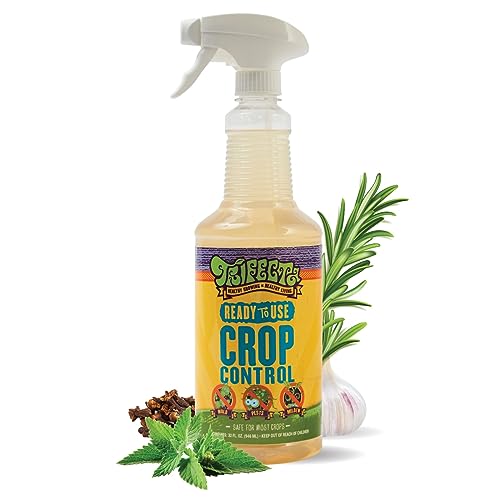
CROP, GARDEN & HOUSEPLANT INSECT CONTROL. Trifecta Crop Control all-natural, plant-based formula effectively combats destructive spider mites, aphids, whiteflies, fungus gnats, and other soft-bodied pests on indoor and outdoor plants. Our biodegradable, eco-friendly solution is safe for use on edible crops, without chemical residues. Our gentle yet potent plant spray suffocates and dehydrates pests without harming beneficial insects or the environment, making it ideal for organic gardening.

Plant-Based Pest Protection: Helps protect plants from common pests including gnats, spider mites, aphids, fungus issues, and other plant-damaging insects using plant-based ingredients.
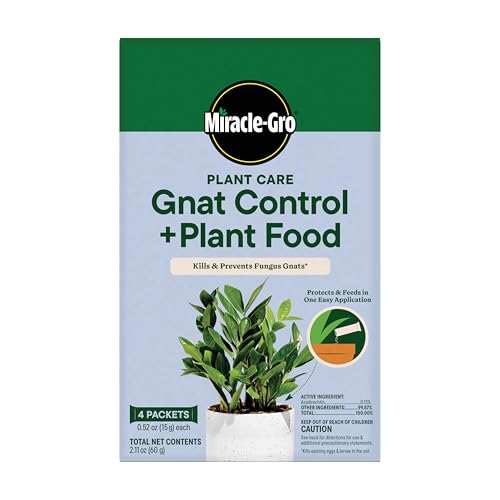
Fungus Gnat Control and Plant Food: Miracle-Gro Plant Care Gnat Control + Plant Food kills and prevents pesky fungus gnats (kills existing eggs and larvae in soil) while also providing your plants with the vital nutrients they need to thrive
Dealing With Diseases
To prevent diseases in your cantaloupe plants, ensure proper spacing between each plant to promote air circulation and reduce humidity levels. Additionally, avoid overhead watering which can lead to fungal issues. If you notice any signs of disease such as powdery mildew or leaf spot, promptly remove affected leaves and consider using organic fungicides as needed.
Addressing Poor Fruit Development
Poor fruit development in cantaloupes can be caused by inadequate pollination. To improve pollination rates, consider attracting pollinators like bees to your garden by planting flowers nearby. You can also hand-pollinate cantaloupe flowers using a small brush to transfer pollen between male and female blooms. Ensuring consistent watering and fertilization throughout the growing season can also help boost fruit development.
Harvesting Your Cantaloupes
Harvesting your cantaloupes is an exciting culmination of your efforts in growing these delicious fruits. Here are some essential tips to ensure you pick them at the perfect time and enjoy their sweet flavor.
Signs of Ripeness
Knowing when your cantaloupes are ripe is crucial for a flavorful harvest. Look for these signs to determine if they are ready to be picked:
- Color: A ripe cantaloupe should have a golden or yellowish hue under the netting on its skin.
- Texture: The skin should feel slightly rough, and the blossom end should yield slightly when pressed.
- Smell: A fragrant aroma near the stem indicates ripeness, with a sweet scent that intensifies as it matures.
Harvesting Techniques
When it’s time to harvest your cantaloupes, follow these simple techniques to gather them properly:
- Twisting Method: Gently twist the fruit from the vine; if it’s ripe, it will detach easily.
- Cutting Method: Use clean shears or a knife to cut the stem close to the fruit without damaging it.
- Timing: Harvest in the morning when temperatures are cooler; this helps maintain freshness and flavor.
- Storage: Store harvested cantaloupes at room temperature until fully ripened, then refrigerate for extended freshness.
Conclusion
Now you’re all set to grow your own delicious cantaloupes! From selecting the right seeds to caring for your plants and harvesting ripe fruits, you’ve learned the essential steps for a successful harvest. Remember, providing ample sunlight, well-draining soil, and proper maintenance are key to growing healthy cantaloupes. By following these tips on planting, caring for your plants, and harvesting at the right time, you’ll soon enjoy the sweet rewards of your labor. Happy gardening!
Frequently Asked Questions
Q: Why is selecting the right cantaloupe seeds important?
A: Selecting quality cantaloupe seeds ensures a successful harvest with healthy and flavorful fruits.
Q: What are the key steps in preparing the garden for growing cantaloupes?
A: Choose a sunny location with good drainage, prepare the soil well, and fertilize adequately for optimal growth.
Q: What should I consider when planting cantaloupe seeds?
A: Timing, soil preparation, mound creation, proper seed sowing, watering techniques, thinning seedlings, and fertilization are crucial for successful growth.
Q: How can I care for my cantaloupe plants effectively?
A: Use proper watering techniques, manage weeds and pests through mulching and organic sprays, attract natural predators for pest control.
Q: How can I troubleshoot common issues with cantaloupe plants?
A: Prevent diseases by spacing plants properly and improving pollination rates through attracting pollinators or using hand-pollination techniques.
