

Have you ever wondered what to do with those seeded grapes sitting in your kitchen? Picture this: a bunch of juicy grapes, bursting with flavor, but those pesky seeds hold you back from enjoying them fully. What if I told you that turning these grapes into a delicious jam is easier than you think?
Imagine spreading homemade grape jam on warm toast or using it as a sweet topping for your favorite desserts. In this article, I’ll show you a simple and rewarding way to transform those seeded grapes into a delightful jam that will elevate your breakfasts and snacks. Get ready to savor the natural sweetness of grapes in every spoonful of this homemade treat.
Key Takeaways
- Choosing grapes with seeds for jam-making provides natural pectin for better consistency without artificial additives.
- Essential ingredients and tools for making grape jam include fresh seeded grapes, granulated sugar, lemon juice, a saucepan, glass jars, a potato masher or blender, and a candy thermometer.
- Properly preparing grapes involves washing them thoroughly, removing stems, and crushing them to release juices while maintaining texture.
- Cooking grape jam requires simmering the mixture until thickened, performing a plate test for readiness, skimming off foam during cooking, sterilizing jars before filling them hot jam to create an airtight seal.
- Canning homemade grape jam involves sterilizing jars by washing and preheating in the oven and correctly filling and sealing them with hot jam to preserve freshness.
- Common mistakes to avoid when making grape jam include using underripe or overripe grapes, inadequate crushing leading to uneven texture, neglecting to skim off foam during cooking, and improper sealing techniques that can affect shelf life.
Understanding the Basics of Grape Jam
If you’re wondering about the fundamentals of making grape jam, let’s dive into why opting for grapes with seeds can elevate your jam-making experience and the essential ingredients and tools you’ll need to get started.
Why Choose Grapes with Seeds?
Selecting grapes with seeds for your jam offers more than just flavor. The seeds contain pectin, a natural thickening agent that helps achieve the desired consistency without artificial additives. This means your grape jam can have a richer texture and better set naturally, ensuring a delightful spread for your breakfast or snacks.
Key Ingredients and Tools Needed
To begin your grape jam adventure, gather fresh seeded grapes, granulated sugar, lemon juice (for acidity), and a large saucepan. Additionally, you’ll require glass jars for storage, a potato masher or blender to crush the grapes, and a reliable candy thermometer to monitor the jam’s temperature accurately during cooking. Having these ingredients and tools ready will streamline the process of creating delicious homemade grape jam from scratch.
Preparing the Grapes
When making jam from grapes with seeds, preparing the grapes correctly is crucial to ensure a successful outcome. Here’s how you can get started:
Recommended Products

Do you find yourself struggling to get the lumps out of your mash?Joyoldelf have the answer with our heavy duty stainless steel potato masher.

MASH WITH EASE: Efficiently mash avocados, bananas, potatoes, carrots and more with the Fox Run Stainless Steel Mini Masher! This small masher tool is perfect for mashing a variety of foods to just the texture you are looking for.
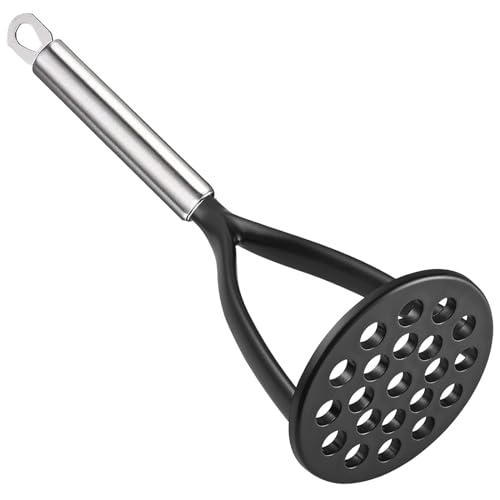
Materials: Food grade European imported nylon material(degradable), Non-stick-Heat Resistant, Safe for non-stick cookware, the whole masher will not bend out of shape.
Washing and Sorting
Begin by washing your grapes thoroughly under running water to remove any dirt or impurities. Once washed, sort through the grapes, discarding any damaged or spoiled ones. This step ensures that only fresh and healthy grapes are used in your jam.
Removing Stems and Crushing
After sorting, it’s time to remove the stems from the grapes. Pluck off the stems carefully, ensuring only the grape berries remain. Next, gently crush the grapes to release their juices while still keeping some texture for a chunkier jam. You can use a potato masher or fork for this process.
By following these steps to prepare your grapes properly, you’re on your way to creating delicious homemade grape jam with seeds that will enhance your meals and snacks with natural sweetness.
Cooking Your Grape Jam
Once you’ve prepared your grapes, it’s time to start cooking your delicious grape jam. Here’s how to do it:
The Role of Pectin in Jam Making
Pectin is a natural substance found in fruits that helps jams and jellies set. Since grapes with seeds contain pectin, they are ideal for making jam without the need for added pectin. The natural pectin in grapes will give your jam the perfect consistency without any extra effort.
Tips for Perfect Consistency
To ensure your grape jam turns out just right, here are some tips for achieving the perfect consistency:
- Cooking Time: Simmer the grape mixture until it thickens to the desired consistency. This can take around 20-30 minutes, but keep an eye on it and stir frequently.
- Plate Test: To check if your jam is ready, place a small amount on a chilled plate. If it wrinkles when you push it with your finger, it’s done.
- Skim off Foam: While cooking, skim off any foam that forms on the surface of the jam to achieve a clear finish.
- Sterilize Jars: Before filling them with hot jam, make sure to sterilize your jars properly by boiling them or using a dishwasher.
- Sealing Jars: Once filled, seal the jars tightly while the jam is still hot to create an airtight seal that preserves freshness.
Canning and Preservation
When it comes to canning your homemade grape jam for long-term storage, there are essential steps to follow to ensure its freshness and quality. Let’s dive into how to sterilize jars properly and effectively fill and seal them.
Recommended Products

All-in-one Canning Supplies Kit consists of all essential tools:Canning Rack,Ladle,4 x Measuring Spoon,Tongs,Funnel, Jar Lifter, 3 in 1 Magnetic lid lifter and Bubble Remover(jar headspace tool), Jar Wrench,24 x Jar Labels.
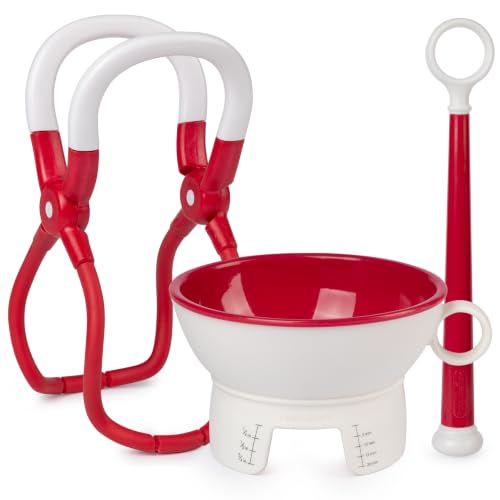
Complete Canning Tool Set: Includes a Spring-Loaded Jar Lifter, Lid Lifter, and Canning Funnel, designed to make home canning safer, easier, and more efficient.
Sterilizing Jars
To start the preservation process, you must sterilize your jars thoroughly. Here’s a simple guide on how to do it:
- Wash the Jars: Clean the jars with hot, soapy water and rinse them well.
- Preheat the Oven: Place the jars upside down on a baking sheet in an oven preheated to 250°F (120°C) for about 10-15 minutes.
- Boil the Lids: Simmer the lids in hot water but avoid boiling them.
By following these steps, you ensure that your jars are clean and ready to preserve your delicious grape jam safely.
Filling and Sealing
After sterilizing your jars, it’s time to fill them with your freshly made grape jam before sealing them correctly:
- Fill the Jars: Using a funnel, carefully ladle the hot grape jam into each jar, leaving a ¼ inch (0.6 cm) headspace at the top.
- Remove Air Bubbles: Slide a non-metallic spatula or chopstick along the inside of each jar to release trapped air bubbles.
- Wipe Jar Rims: Ensure the jar rims are clean before placing lids on top.
- Seal Properly: Place lids on top of each jar using tongs or a magnetic lid lifter tool; then screw bands on until fingertip tight.
Common Mistakes to Avoid
When making grape jam from seeded grapes, it’s crucial to be aware of common mistakes that can affect the quality of your final product. By avoiding these pitfalls, you can ensure a successful and delicious batch of homemade grape jam. Here are some key mistakes to steer clear of:
- Rushing the Preparation: Start with fully ripe grapes. Using underripe or overripe grapes can result in jam that lacks flavor or fails to set properly.
- Neglecting Proper Crushing: Thoroughly crush the grapes to release their juices effectively. Inadequate crushing can lead to uneven texture in your jam.
- Skipping Skimming: Regularly skim off foam that forms during cooking. Failing to do so may result in cloudy jam with an off-putting appearance.
- Incorrect Sealing Techniques: Ensure jars are properly sealed after filling them with jam. Inadequate sealing can lead to spoilage and a shorter shelf life for your preserves.
By being mindful of these common mistakes and following the correct procedures outlined earlier, you’ll be well on your way to creating delectable grape jam that you can enjoy or share with others.
Conclusion
You’ve now learned how to turn seeded grapes into delicious homemade grape jam. By following the simple steps outlined in this article, you can create a flavorful spread that will enhance your meals and snacks with natural sweetness. Remember to use fresh grapes with seeds for their natural pectin content and pay attention to key details like proper grape preparation, cooking techniques, and canning procedures. Avoid common mistakes such as using underripe or overripe grapes and skipping essential steps like skimming off foam. With these tips in mind, you’re well-equipped to make a successful batch of grape jam that you can enjoy yourself or share with friends and family. Happy jam-making!
Frequently Asked Questions
Q: What are the key ingredients needed to make homemade grape jam?
A: The key ingredients for homemade grape jam include fresh grapes, sugar, and lemon juice. These simple components work together to create a flavorful and sweet jam.
Q: Why is it essential to use grapes with seeds for making grape jam?
A: Grapes with seeds are preferred for making grape jam due to their natural pectin content. Pectin helps the jam set properly without the need for additional pectin additives.
Q: What are the crucial steps involved in preparing grapes for jam-making?
A: Proper grape preparation involves washing, sorting, removing stems, and crushing the grapes. These steps help release juices while maintaining texture for a successful batch of grape jam.
Q: How can one achieve the perfect consistency when cooking grape jam?
A: Cooking time plays a vital role in achieving the perfect consistency of grape jam. Utilizing natural pectin in grapes helps ensure that the jam sets correctly without added pectin.
Q: What are some tips for ensuring success when making homemade grape jam?
A: Tips include performing plate testing to check readiness, skimming off foam during cooking, sterilizing jars before filling them, and sealing jars properly for freshness. Consistency and attention to detail are key.
