Close Menu
    Fruit Tree Hub
    • Home
    • Apple Trees
    • Lemon Trees
    • Mango Trees
    • Orange Trees
    • More Trees
      • Best Fruit Trees
      • Apricot Trees
      • Cherry Trees
      • Fig Trees
      • Lime Trees
      • Mulberry Trees
      • Peach Trees
      • Pear Trees
      • Plum Trees
      • Pomegranate Trees
    • Tips and Advice
      • Tools
    • About Us
      • Contact
      • Privacy Policy
    Fruit Tree Hub
    Home»Tips and Advice»What Fruit Trees Can Grow in Zone 5a: Top Choices for a Thriving Backyard Orchard
    Tips and Advice

    What Fruit Trees Can Grow in Zone 5a: Top Choices for a Thriving Backyard Orchard

    Martha JacksonBy Martha JacksonDecember 25, 20247 Mins Read
    Share Facebook Twitter Pinterest WhatsApp Email
    Share
    Facebook Twitter LinkedIn Pinterest Telegram Email

    Have you ever dreamed of picking fresh fruit right from your backyard? If you live in zone 5a, you might be wondering which fruit trees can thrive in your climate. With its cold winters and warm summers, zone 5a offers unique challenges and opportunities for growing delicious fruit.

    Contents show
    1 Key Takeaways
    2 Overview of Zone 5a
    3 Suitable Fruit Trees for Zone 5a
    3.1 Apple Trees
    3.2 Pear Trees
    3.3 Cherry Trees
    3.4 Plum Trees
    3.5 Peach Trees
    4 Considerations for Growing Fruit Trees
    4.1 Soil Requirements
    4.2 Sunlight and Water Needs
    4.3 Pest and Disease Management
    5 Conclusion
    6 Frequently Asked Questions
    6.1 What fruit trees can I grow in zone 5a?
    6.2 How long does it take for fruit trees to bear fruit in zone 5a?
    6.3 What soil type is best for growing fruit trees in zone 5a?
    6.4 How much sunlight do fruit trees need in zone 5a?
    6.5 What watering techniques should I use for fruit trees?
    6.6 How can I manage pests and diseases in my fruit trees?
    6.7 What are chill hours, and why are they important?

    Key Takeaways

    • Climate Adaptability: Zone 5a’s cold winters and warm summers allow for a variety of fruit trees, including apples, pears, cherries, plums, and peaches, to thrive.
    • Ideal Soil Conditions: Fruit trees flourish in well-drained sandy loam or clay loam soils. Testing and amending soil to maintain a pH of 6.0 to 7.0 are crucial for healthy growth.
    • Sunlight Requirements: Full sun exposure, at least six hours of direct sunlight daily, is essential for optimum fruit development and tree health.
    • Watering Practices: Implement deep and infrequent watering to encourage strong root systems, aiming for 1-2 inches of water per week during dry periods.
    • Disease Resistance: Choosing disease-resistant fruit tree varieties minimizes care requirements and enhances productivity, along with regular inspections and proper pest management.
    • Spacing and Pollination: Adequate spacing between trees (15-20 feet for larger varieties) and planting compatible varieties for cross-pollination are important for optimal fruiting.
    MUST READ
    Can I Plant Fruit Trees in Autumn for a Thriving Garden Next Spring?

    Overview of Zone 5a

    Zone 5a typically experiences average annual minimum temperatures between -15°F to -20°F (-26°C to -29°C). Winters can be quite harsh, with cold snaps lasting for several weeks. However, summers in this zone offer warm temperatures, generally ranging from 70°F to 85°F (21°C to 29°C).

    The growing season lasts approximately 140 to 160 days. This timeframe allows for a variety of fruit-bearing trees to thrive if you select suitable species. When considering fruit tree options, it’s essential to take into account the chill hours, or the number of hours temperatures dip below 45°F (7°C).

    Soil quality significantly impacts tree health. Sandy loam or clay loam soils are ideal for fruit trees, promoting proper drainage and nutrient availability. Regular testing can provide insights into pH levels and nutrient deficiencies, allowing you to amend the soil prior to planting.

    Choosing disease-resistant varieties can minimize care requirements. Applying mulch around the base of trees helps retain moisture and regulate soil temperature. Watering deeply and less frequently promotes strong root systems.

    Recommended Products

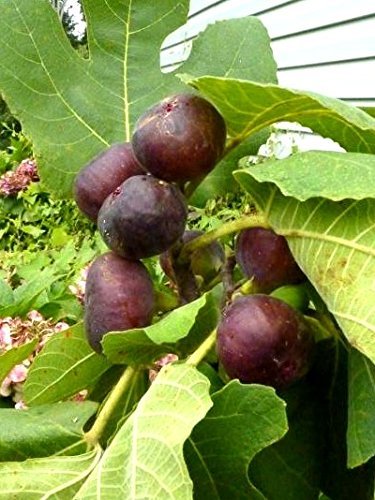
    Chicago Hardy Fig Tree Live Plant – Ficus carica – Sweet Purple Fruit – Cold Hardy Self-Pollinating – Ornamental Edible Fruit Tree
    Chicago Hardy Fig Tree Live Plant – Ficus carica – Sweet Purple Fruit – Cold Hardy Self-Pollinating – Ornamental Edible Fruit Tree

    🍇 Sweet, Medium-Sized Figs – Rich flavor with glossy dark purple skin and vibrant interior.

    VIEW LATEST PRICE

    As an affiliate, we earn on qualifying purchases.

    10Pcs Wild Plum Tree Fruit Seeds for Planting - Cold Hardy, Sweet Fruit
    10Pcs Wild Plum Tree Fruit Seeds for Planting - Cold Hardy, Sweet Fruit

    Versatile Fruit Use: The plums produced can be eaten fresh as a snack and are well-suited for home kitchen projects like creating preserves, jams, and baked goods.

    VIEW LATEST PRICE

    As an affiliate, we earn on qualifying purchases.

    Bonsai Peach Tree Seeds – 5 Large Seeds for Miniature Fruit-Bearing Trees – Easy to Grow, Hardy, Produces Sweet Peaches - Great for Beginner Bonsai - Ideal for Home Garden
    Bonsai Peach Tree Seeds – 5 Large Seeds for Miniature Fruit-Bearing Trees – Easy to Grow, Hardy, Produces Sweet Peaches - Great for Beginner Bonsai - Ideal for Home Garden

    BEGINNER-FRIENDLY & EASY TO GROW – Perfect for first-time bonsai growers, simple planting and care instructions

    VIEW LATEST PRICE
    MUST READ
    How to Grow Mini Fruit Trees: Essential Tips for Thriving in Small Spaces

    As an affiliate, we earn on qualifying purchases.

    Suitable Fruit Trees for Zone 5a

    Zone 5a offers a range of fruit trees that can thrive in its climate, providing you with delicious homegrown fruit. Here are some suitable options for your garden.

    Recommended Products
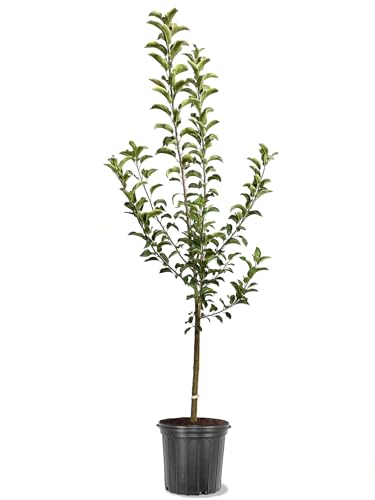
    American Plant Exchange Apple Tree 'Granny Smith' – Live Fruit-Bearing Plant, 5-Gallon Pot, Cold-Hardy, for Home Orchards, Backyard Gardens & Edible Landscapes
    American Plant Exchange Apple Tree 'Granny Smith' – Live Fruit-Bearing Plant, 5-Gallon Pot, Cold-Hardy, for Home Orchards, Backyard Gardens & Edible Landscapes

    Live Fruit-Bearing Apple Tree – Grow your own crisp, tart Granny Smith apples right at home. This self-pollinating, high-yield apple tree produces firm, green apples perfect for fresh eating, baking, and cider-making

    VIEW LATEST PRICE

    As an affiliate, we earn on qualifying purchases.

    American Plant Exchange Apple Tree 'Semi Dwarf Pink Lady' – Live Fruit-Bearing Plant, 5-Gallon Pot, Cold-Hardy, for Home Orchards, Backyard Gardens & Edible Landscapes
    American Plant Exchange Apple Tree 'Semi Dwarf Pink Lady' – Live Fruit-Bearing Plant, 5-Gallon Pot, Cold-Hardy, for Home Orchards, Backyard Gardens & Edible Landscapes

    Live Fruit-Bearing Apple Tree – Grow your own Pink Lady apples, a premium variety known for its crisp texture, tart-sweet flavor, and beautiful rosy-pink skin, perfect for fresh eating, baking, and cider-making

    VIEW LATEST PRICE

    As an affiliate, we earn on qualifying purchases.

    American Plant Exchange Apple Tree 'Honeycrisp' – Live Fruit-Bearing Plant, 2-3 ft Tall, 5-Gallon Pot, Cold-Hardy, Juicy & Crisp Red Harvest for Home Orchards, Backyard Gardens & Edible Landscapes
    American Plant Exchange Apple Tree 'Honeycrisp' – Live Fruit-Bearing Plant, 2-3 ft Tall, 5-Gallon Pot, Cold-Hardy, Juicy & Crisp Red Harvest for Home Orchards, Backyard Gardens & Edible Landscapes

    Crisp, Sweet Apples: Produces large, juicy apples with a perfect balance of sweetness and tartness, ideal for fresh eating and baking.

    VIEW LATEST PRICE

    As an affiliate, we earn on qualifying purchases.

    Apple Trees

    Apple trees adapt well to zone 5a. Varieties like ‘Honeycrisp,’ ‘McIntosh,’ and ‘Gala’ produce sweet fruit and resist common health issues. Plant three to four feet apart for good air circulation and pollination. Ensure full sun exposure and well-drained soil for optimal growth.

    Pear Trees

    Pear trees also flourish in zone 5a, with varieties such as ‘Bartlett’ and ‘Bosc’ being excellent choices. These trees typically bear fruit in five to seven years. Space them about 15 to 20 feet apart to allow for their mature size. They prefer well-drained, slightly acidic soil.

    MUST READ
    When to Fertilize New Fruit Trees for Healthy Growth and Abundant Harvests

    Cherry Trees

    Cherry trees offer beautiful blossoms and delicious fruit. Varieties like ‘Bing’ and ‘Stella’ grow well in this zone. Sweet cherries need a pollinator, so planting two different varieties is beneficial. Both require full sun and rich, well-drained soil for successful growth.

    Plum Trees

    Plum trees such as ‘Stanley’ and ‘Methley’ are suited for zone 5a. They produce sweet, juicy fruits, maturing in three to six years after planting. Space them at least 15 feet apart and ensure they receive ample sunlight and well-drained soil for best results.

    Peach Trees

    Peach trees can thrive in zone 5a with the right varieties, such as ‘Red Haven’ and ‘Contender.’ These trees yield sweet fruit and require around 150 to 300 chill hours each winter. Ensure well-drained, sandy loam soil and provide full sun. Plant at least 15 to 20 feet apart for health and growth.

    By selecting the right fruit trees and following these guidelines, you can enjoy a fruitful garden in zone 5a.

    Considerations for Growing Fruit Trees

    When growing fruit trees in zone 5a, several factors come into play that can affect their health and productivity. Understanding these considerations ensures successful cultivation.

    Recommended Products

    Bonide Captain Jack's Fruit Tree Spray, 16 oz Concentrate
    Bonide Captain Jack's Fruit Tree Spray, 16 oz Concentrate

    Control diseases and insects in your garden with Captain Jack’s Fruit Tree Spray Concentrate! Use on a variety of listed fruits, nuts and citrus plants.

    VIEW LATEST PRICE

    As an affiliate, we earn on qualifying purchases.

    Burpee Flowering Gardens: Flowering Shrubs, Cutting Gardens, Ornamental Trees
    Burpee Flowering Gardens: Flowering Shrubs, Cutting Gardens, Ornamental Trees
    VIEW LATEST PRICE

    As an affiliate, we earn on qualifying purchases.

    Bonide Captain Jack's Fruit Tree Spray, 16 oz Concentrate, Insect & Disease Control Spray for Organic Gardening
    Bonide Captain Jack's Fruit Tree Spray, 16 oz Concentrate, Insect & Disease Control Spray for Organic Gardening

    COMPLETE PLANT COVERAGE - Bonide Fruit Tree Spray is an excellent concentrate that contains insecticide, fungicide, aphicide, miticide, scalicide, and a spreader sticker.

    VIEW LATEST PRICE

    As an affiliate, we earn on qualifying purchases.

    MUST READ
    Should Fruit Trees Be Pruned Every Year for Healthier Growth and Better Yields?

    Soil Requirements

    You need well-draining soil for optimal fruit tree health. Sandy loam or clay loam is ideal because it provides good drainage while retaining necessary nutrients. Test your soil pH, aiming for a range between 6.0 and 7.0, as many fruit trees thrive in slightly acidic to neutral conditions. If your soil is lacking, consider amending it with compost or well-rotted manure to boost fertility.

    Sunlight and Water Needs

    Most fruit trees require full sun, which means at least six hours of direct sunlight daily. Proper light exposure encourages healthy growth and fruit development. Watering is also crucial; aim for deep, infrequent watering to develop strong root systems. During dry spells, ensure your trees receive about 1-2 inches of water per week. Use mulch around the base of your trees to retain soil moisture and regulate temperature.

    Pest and Disease Management

    Prevent pests and diseases by selecting disease-resistant fruit tree varieties. Regularly inspect your trees for signs of trouble, such as discolored leaves or unusual growths. Implement organic pest control methods, such as introducing beneficial insects or using neem oil. Keep your garden clean by removing fallen fruit and debris, reducing the risk of disease spread. Regular pruning enhances air circulation, minimizing the chance of fungal infections.

    Conclusion

    Growing fruit trees in zone 5a can be a rewarding experience. With the right choices and care you can enjoy a bountiful harvest right in your backyard. Remember to select trees that thrive in your climate and pay attention to their specific needs.

    By focusing on soil quality sunlight and proper watering techniques you’ll set your trees up for success. Don’t forget to keep an eye out for pests and diseases to ensure your trees stay healthy. Embrace the journey of nurturing your fruit trees and before you know it you’ll be savoring the fruits of your labor. Happy gardening!

    Frequently Asked Questions

    What fruit trees can I grow in zone 5a?

    You can grow several fruit trees in zone 5a, including apple trees (‘Honeycrisp’, ‘McIntosh’), pear trees (‘Bartlett’, ‘Bosc’), cherry trees (‘Bing’, ‘Stella’), plum trees (‘Stanley’, ‘Methley’), and peach trees (‘Red Haven’, ‘Contender’). These varieties are well-suited to the climate and conditions of zone 5a.

    MUST READ
    How to Look After Fruit Trees: Essential Tips for Healthy Growth and Abundant Harvests

    How long does it take for fruit trees to bear fruit in zone 5a?

    Most fruit trees in zone 5a typically take between 3 to 7 years to bear fruit, depending on the species and variety. For example, pear trees may start producing in 5 to 7 years, while some apple varieties can yield fruit in about 3 to 5 years.

    What soil type is best for growing fruit trees in zone 5a?

    Sandy loam or clay loam soil is ideal for fruit trees in zone 5a. These soil types provide good drainage and nutrient availability, which are essential for healthy root systems and overall tree growth.

    How much sunlight do fruit trees need in zone 5a?

    Fruit trees in zone 5a require at least six hours of direct sunlight daily. This sunlight is crucial for fruit production and overall tree health, so choose a location that receives ample sun throughout the day.

    What watering techniques should I use for fruit trees?

    For optimal growth, deep and infrequent watering is recommended for fruit trees in zone 5a. This approach encourages deep root development and helps retain moisture, particularly during dry spells.

    How can I manage pests and diseases in my fruit trees?

    To manage pests and diseases, select disease-resistant tree varieties and regularly inspect your trees. Maintaining garden cleanliness, using organic pest control, and practicing regular pruning can also help enhance tree health and productivity.

    What are chill hours, and why are they important?

    Chill hours refer to the number of hours that fruit trees need to be exposed to temperatures between 32°F and 45°F during winter. They are important because they help trees break dormancy, ensuring proper blooming and fruiting in the spring.

    Share. Facebook Twitter Pinterest LinkedIn Tumblr Email
    martha jackson
    Martha Jackson

      Martha Jackson is an accomplished freelance writer and editor with a strong interest in gardening. With a degree in English from the University of California, Berkeley, Martha has over 15 years of experience writing for a variety of publications. She is passionate about making gardening accessible to all and is always seeking out new techniques and innovations.

      Related Posts

      How Long Until Avocado Trees Bear Fruit and Tips for Faster Growth at Home

      February 20, 2025

      What Yellow Fruit Grows on Trees and Their Delicious Health Benefits

      February 20, 2025

      How to Air Layer Fruit Trees: A Step-by-Step Guide for Successful Propagation

      February 20, 2025

      When Do Grapefruit Trees Produce Fruit and How to Maximize Your Harvest

      February 20, 2025

      What Is a Fast Growing Fruit Tree: Discover Quick-Yield Options for Your Garden

      February 20, 2025

      Do Cherry Blossom Trees Have Fruit? Discover the Truth About Their Edibility and Benefits

      February 20, 2025
      Leave A Reply Cancel Reply

      Affiliate Disclosure

      As an Amazon Associate I earn from qualifying purchases.

      Recommended Reading

      Can Almond Trees Grow in Laredo, TX? (Rio Grande Success)

      Peach Trees in a Pot in Chicago, IL (Urban Patio Harvest Tips)

      How to Grow Different Fruit Trees in Animal Crossing for a Bountiful Island Harvest

      The Best Ways to Harvest Jujube Fruit

      Unveiling the Exquisite Flavor of Fever-Tree Sparkling Pink Grapefruit

      Grapefruit Trees in Montana? (Mountain Cold Survival Tips)

      How to Easily Loosen Your Pole Pruner: Essential Tips for Smooth Operation

      Easy Ways to Remove the Seeds from Blackberries and Enhance Your Recipes

      How to Mix Bonide Fruit Tree Spray for Effective Pest and Disease Control in Your Garden

      Ultimate Guide to Growing Raspberries in Michigan: Tips for Success

      Fruit Tree Hub

      Fruit Tree Hub is a website dedicated to providing you everything you need to grow fruit trees successfully at in your own yard.

      Contact us at: [email protected]

      - AFFILIATE DISCLOSURE: As an Amazon Associate I earn from qualifying purchases.

      Latest Posts

      Can Olive Trees Grow in New Jersey? Garden State Growth Tips

      Can Star Fruit Trees Grow in Missouri? Expert Variety Guide

      How to Grow Jujube Trees in Las Vegas, NV: Desert Growth

      Mango Trees in Illinois: Indoor and Greenhouse Growth Secrets

      Growing Papaya Trees in Oklahoma: High Heat Resilience

      Tamarind Trees in a Pot in Ohio (Complete Maintenance Manual)

      Can Fig Trees Grow in Long Beach, CA? Coastal Salt Tips

      Plum Trees in District of Columbia (Urban Microclimate Tips)

      Categories
      • Almond Trees
      • Apple Trees
      • Apricot Trees
      • Best Fruit Trees
      • Blackberry
      • Cantaloupe
      • Cherry Trees
      • Crochet Ideas
      • Crochet Ideas for Beginners
      • Cucamelon
      • Easy Crochet Ideas
      • Easy Knitting Projects
      • Fig Trees
      • Grapefruit Trees
      • Grapes
      • Guava Trees
      • Honeydew
      • Jujube Trees
      • Kiwi
      • Knitting For Beginners
      • Knitting Ideas
      • Knitting Inspiration
      • Lemon Trees
      • Lime Trees
      • Loquat Trees
      • Mango Trees
      • Mulberry Trees
      • Nectarine Trees
      • Olive Trees
      • Orange Trees
      • Papaya Trees
      • Peach Trees
      • Pear Trees
      • Persimmon Trees
      • Planting
      • Plum Trees
      • Pomegranate Trees
      • Quince Trees
      • Raspberry
      • Reviews
      • Small Crochet Ideas
      • Star Fruit Trees
      • Summer Crochet Ideas
      • Tamarind Trees
      • Tangerine Trees
      • Tips and Advice
      • Tools
      • Uncategorized
      • Walnut Trees
      © 2026 Fruit Tree Hub
      • Home
      • About Us
      • Contact
      • Privacy Policy
      • Terms and Conditions
      • Disclaimer
      • Editorial Policy
      • Affiliate Disclosure

      Type above and press Enter to search. Press Esc to cancel.