

Ever wondered how long it takes for those luscious blackberries to ripen in your garden? Picture this: you eagerly plant the tiny blackberry seeds or seedlings, dreaming of juicy berries to enjoy. But the waiting game begins, and you find yourself wondering when you’ll finally get to taste the fruits of your labor.
In this article, we’re here to answer your burning question about the timeline for growing blackberries. You’ll discover the stages of growth these delicious berries go through and learn just how patient you need to be before you can harvest them. By understanding the process from planting to picking, you’ll soon have a clearer idea of when those delectable blackberries will be ready for your enjoyment.
Key Takeaways
- Blackberry growth is influenced by factors like variety selection, climate conditions, and soil quality.
- Understanding seasonal variations is key for anticipating the stages of blackberry growth.
- Key stages of blackberry plant growth include germination, flowering, and fruit development.
- Optimal conditions for growing blackberries include well-draining soil with a pH level between 5.5 and 7, and moderate temperatures with full sun exposure.
- Common challenges in growing blackberries involve pests like spider mites and diseases such as powdery mildew; proactive measures can help manage these issues effectively.
Understanding Blackberry Growth Cycles
Blackberries follow distinct growth cycles influenced by various factors and seasonal variations. Understanding these aspects is crucial for anticipating when your blackberries will be ready for harvest.
Factors Influencing Blackberry Development
Blackberry development is primarily influenced by factors such as:
- Variety Selection: Different blackberry varieties have varying growth rates and maturity periods.
- Climate Conditions: Adequate sunlight, water, and temperature play a significant role in the growth of blackberries.
- Soil Quality: Rich, well-draining soil with proper nutrients supports healthy blackberry growth.
Seasonal Variations in Blackberry Growth
Seasonal changes impact blackberry growth stages:
- Spring: New shoots emerge, followed by flower blossoms signaling the start of fruit development.
- Summer: Berries ripen during this period, gradually changing color from green to red or black depending on the variety.
- Fall: The harvesting season begins as berries reach peak ripeness for picking.
Understanding these factors and seasonal patterns can help you plan and care for your blackberry plants effectively.
Key Stages of Blackberry Plant Growth
Blackberries go through several key stages during their growth cycle. Understanding these stages can help you care for your plants effectively and anticipate when you’ll be able to harvest delicious blackberries.
Recommended Products
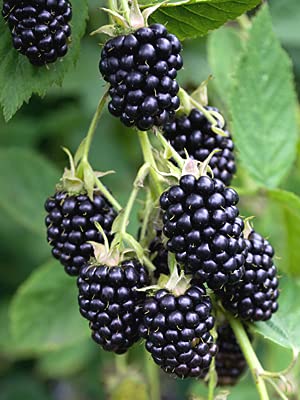
Includes four (4) "Natchez" Blackberry Plants with USPS Shipping. These are 2 inch rooted plants shipped in 2 inch tray pots and are 3-6 inches tall.

Supports Growth & Root Strength – Blackberry plant fertilizer that helps promote strong roots, healthy canes, and consistent plant development.

Germination Phase
During the germination phase, blackberry seeds start sprouting roots and shoots. This stage marks the beginning of a blackberry plant’s life. It’s essential to provide adequate moisture and warmth to support seed germination. Typically, blackberry seeds germinate within 2-4 weeks, depending on environmental conditions.
Flowering and Fruit Development
Once the blackberry plant has established itself, it enters the flowering stage. In this phase, the plant produces delicate white or pink flowers that eventually develop into fruits. Proper pollination is crucial for fruit set in blackberries. After successful pollination, small green berries start forming, gradually growing in size and changing color as they ripen.
By recognizing these crucial stages in the growth of blackberry plants, you can better nurture them through each phase until they yield sweet and juicy fruits ready for picking.
Optimal Conditions for Growing Blackberries
When it comes to growing blackberries successfully, understanding the optimal conditions is key. Here’s what you need to know about the soil requirements and climate considerations for cultivating healthy blackberry plants.
Recommended Products

UNIQUE STYLING DESIGN: Fit perfectly with the plants in the pot, the branch shape fits better with the plant itself, allowing PERSZEN monstera plant support suitable for almost all types of potted plants without standing out. The green color of plant trellis indoor makes it easier to blend in with the plants, providing support for your plants without affecting the aesthetics

Widely Used: Trellis for climbing plants outdoor allows potted plants to grow upward, helping them get more sunlight and preventing sagging. Indoor potted small plant grid, suitable for most climbing plants, such as red beans, daffodils, roses, morning glories, vines, peas, ivy, cucumbers, green beans and other climbing plants, as well as indoor small potted plants. Trellis for climbing plants indoor are perfect for decorating your house, and 5- to 8-inch size planters are recommended
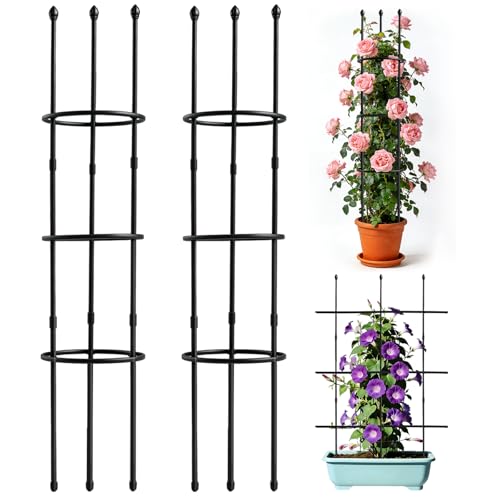
【Two Installation Methods】Our garden trellis can be configured into two types of plant trellis (panel stands and plant cages). You can also combine two or more panels together to form a larger plant stand panel or plant cage. Adjustable plant supports can meet your different plant support needs.
Soil Requirements
For blackberries to thrive, they require well-draining soil rich in organic matter. A pH level between 5.5 and 7 is ideal for these plants. Ensure the soil is fertile and loamy to support robust growth. Consider conducting a soil test to determine its nutrient content and make any necessary amendments before planting your blackberries.
Climate and Temperature Needs
Blackberries prefer temperate climates with moderate temperatures. They thrive in regions where they can receive full sun exposure for at least six hours a day. The ideal temperature range for blackberry growth is between 70°F (21°C) and 85°F (29°C). While these plants can tolerate some cold weather, they are sensitive to frost during their flowering stage, which can affect fruit production.
By providing your blackberry plants with the right soil conditions and ensuring they receive adequate sunlight and appropriate temperatures, you’ll set them up for successful growth and bountiful harvests. Remember that maintaining optimal conditions throughout the growing season is crucial for cultivating healthy and productive blackberry bushes.
Common Challenges in Growing Blackberries
When cultivating blackberries, you may encounter some common challenges that can affect the growth and yield of your plants. Here are a few key issues to be aware of:
Recommended Products

3-in-1 FORMULA: Aphid spray for outdoor plants for use on roses, flowers, shrubs and trees to control listed insects, disease and mites

3-IN-1 PLANT CARE: 3-In-1 Insect, Disease & Plant Mite Control provides insect control, disease control, and plant mite control all in one; Rainproof protection starts in 4 hours and lasts up to 14 days

INSECT KILLER: Army worm killer. Also kills insects such as Aphids, Spider Mites, Japanese Beetles, Caterpillars, and other listed insects
Pests and Diseases
Blackberries are susceptible to various pests and diseases that can hinder their growth. Some common pests that may target blackberry plants include spider mites, aphids, and Japanese beetles. These pests can cause damage to the leaves, stems, and fruits of the plant if not properly managed.
To prevent pest infestations, regularly inspect your blackberry bushes for any signs of pest activity. You can also introduce beneficial insects like ladybugs or lacewings to help control pest populations naturally. Additionally, practicing good garden hygiene by removing any debris or weeds around your plants can reduce the risk of pest infestations.
In terms of diseases, blackberries are prone to issues such as powdery mildew, anthracnose, and cane blight. Proper sanitation practices, such as pruning infected plant parts and disposing of them properly, can help prevent the spread of diseases within your blackberry patch. Applying fungicides or other preventive treatments according to a schedule recommended for your specific region can also aid in disease management.
Weather Impacts
Weather conditions play a significant role in the growth and development of blackberry plants. Extreme temperatures, frost damage, heavy rainfall, or droughts can all impact the health of your blackberry bushes.
During periods of extreme heat or cold, provide adequate protection for your plants by using row covers or mulching around the base to regulate soil temperature. In case of heavy rainfall leading to waterlogging in the soil, consider improving drainage systems or planting in raised beds to prevent root rot.
In regions prone to frost during early spring or late fall when blackberries are vulnerable to cold damage, covering plants with frost blankets overnight can offer protection against freezing temperatures.
By being mindful of these common challenges and taking proactive measures to address them promptly, you can promote healthy growth and maximize fruit production from your blackberry plants.
Conclusion
Growing blackberries can be a rewarding experience, from witnessing the plant’s growth stages to enjoying the harvest of delicious fruits. By providing the right conditions and addressing potential challenges like pests and diseases, you can ensure successful blackberry cultivation. Remember to monitor weather conditions and take precautions when needed to protect your plants. With patience and care, you’ll soon have a thriving blackberry patch that yields bountiful fruit for you to enjoy. Happy gardening!
Frequently Asked Questions
What are the key stages in the growth cycle of a blackberry plant?
The key stages in the growth cycle of a blackberry plant include germination, vegetative growth, flowering, fruit set, and fruit development.
Why is soil quality important for successful blackberry growth?
Soil quality is crucial for successful blackberry growth as it provides essential nutrients and affects drainage, root development, and overall plant health.
How can extreme temperatures impact blackberry plants?
Extreme temperatures can damage blackberry plants by causing frost injury or heat stress, affecting flower formation and fruit production.
What are common pests that affect blackberry plants?
Common pests that affect blackberry plants include spider mites, aphids, Japanese beetles, and raspberry crown borers.
How can weather conditions like heavy rainfall affect blackberries?
Heavy rainfall can lead to waterlogged soil, root rot, and fungal diseases in blackberry plants if proper drainage measures are not in place.
