

Growing apple trees in Chesapeake, VA requires careful attention to coastal soil conditions. Proper soil management ensures healthy growth and fruitful yields. This guide outlines essential practices for cultivating apple trees in this unique environment.
Coastal Soil Challenges for Apple Cultivation
Coastal soil in Chesapeake often presents unique challenges for apple tree cultivation. The sandy texture can lead to rapid drainage, which may not retain moisture effectively. Additionally, high salinity levels can affect nutrient availability. Understanding these characteristics is crucial for successful apple tree growth.
Recommended Products

Kindly NOTE: This soil tester can not be applied to test pH value of any other liquid. If the soil is too dry the indicator will not move, and water it before testing.

Quick, at home results for Soil pH, Nitrogen, Phosphorous and Potash Innovative and inexpensive soil test kit features an easy-to-use capsule system and patented color comparators

KNOW BEFORE YOU GROW | Grow the healthiest, sustainable lawn and garden with the most accurate and easy to use professional soil test kit on the market
Coastal Soil Testing for Apple Trees
Understanding the unique characteristics of coastal soil is essential for successfully growing apple trees in Chesapeake, VA. Coastal soil testing provides valuable insights into nutrient levels, pH balance, and drainage capabilities, all of which are critical for fostering healthy apple tree growth in this region. Proper soil management ensures that your apple trees thrive in the local environment.
Conducting a soil test is the first step in managing coastal soil for apple trees. This analysis reveals pH levels, nutrient content, and salinity. Based on the results, you can make informed decisions about amendments.
| Soil Parameter | Ideal Range | Action Needed |
|---|---|---|
| pH Level | 6.0 – 7.0 | Add lime if too acidic |
| Nitrogen | 20-30 ppm | Apply nitrogen-rich fertilizer |
| Phosphorus | 10-20 ppm | Use bone meal or rock phosphate |
| Salinity | Low | Leach soil with fresh water |
Coastal Soil Amendments for Apple Trees
In Chesapeake, VA, the coastal soil presents unique challenges for growing healthy apple trees. Understanding the specific amendments needed for this environment is crucial for enhancing soil quality and promoting robust growth. This section explores effective coastal soil amendments tailored for apple tree cultivation, ensuring fruitful yields in the region.
Once soil testing is complete, amend the soil to create a suitable environment for apple trees. Organic matter is vital for improving soil structure and nutrient retention. Consider the following amendments:
Compost: Enhances nutrient content and improves moisture retention.
Peat Moss: Increases organic matter and lowers soil pH if necessary.
Gypsum: Helps improve soil structure and reduces salinity effects.
Best Apple Varieties for Coastal Conditions
Choosing the right apple varieties is crucial for successful cultivation in Chesapeake’s coastal environment. The unique soil and climate conditions influence which types thrive best, ensuring a fruitful harvest. This section explores the most suitable apple varieties that can adapt well to the region’s specific challenges and opportunities.
Choosing the right apple varieties is essential for success in Chesapeake’s coastal climate. Some varieties thrive better in sandy, well-drained soils. Consider these options:
Granny Smith: Tolerates various soil types and has high disease resistance.
Fuji: Performs well in warmer climates and produces sweet apples.
Honeycrisp: Known for its crisp texture and flavor, it adapts well to local conditions.
Coastal Apple Tree Planting Methods
Planting apple trees in Chesapeake, VA requires specific techniques tailored to the region’s coastal soil conditions. Understanding the unique challenges posed by the local environment can help ensure successful growth and fruit production. This section explores effective planting methods that cater to the needs of apple trees in this distinctive climate.
Proper planting techniques ensure that apple trees establish well in coastal soil. Follow these steps for successful planting:
Choose a Sunny Location: Select a site that receives full sun for at least six hours daily.
Dig a Proper Hole: The hole should be twice as wide as the root ball but no deeper than the root collar.
Add Amendments: Mix compost and other amendments into the backfill soil.
Water Thoroughly: After planting, water deeply to settle the soil and eliminate air pockets.
Coastal Irrigation Techniques for Apple Trees
Effective irrigation is crucial for cultivating healthy apple trees in the coastal climate of Chesapeake, VA. This region’s unique soil and weather conditions require tailored irrigation techniques to ensure optimal growth and fruit production. Understanding these methods can significantly enhance the success of your apple orchard.
Irrigation is vital for apple trees, especially in sandy coastal soils. Implementing effective strategies can ensure consistent moisture levels. Consider the following methods:
Drip Irrigation: Provides targeted watering directly to the root zone, reducing water waste.
Mulching: Use organic mulch to retain moisture and suppress weeds.
Regular Monitoring: Check soil moisture levels regularly to adjust watering schedules.
Pest and Disease Management Strategies
Managing pests and diseases is crucial for the health of apple trees in Chesapeake, VA, where coastal conditions can introduce unique challenges. Effective strategies not only protect the trees but also enhance fruit quality and yield. Understanding local threats and implementing targeted management practices can ensure a thriving apple orchard in this region.
Pests and diseases can threaten apple tree health. Regular monitoring and proactive measures are essential. Focus on these management practices:
Integrated Pest Management: Combine cultural, mechanical, and biological controls to minimize pest impact.
Fungicide Applications: Apply fungicides as needed to prevent fungal diseases like apple scab.
Regular Pruning: Maintain tree health and improve air circulation by removing dead or diseased branches.
Recommended Products

Control diseases and insects in your garden with Captain Jack’s Fruit Tree Spray Concentrate! Use on a variety of listed fruits, nuts and citrus plants.

3-in-1 FORMULA: Aphid spray for outdoor plants for use on roses, flowers, shrubs and trees to control listed insects, disease and mites

Control diseases and insects in your garden with Captain Jack’s Fruit Tree Spray Concentrate! Use on a variety of listed fruits, nuts and citrus plants.
Apple Harvest Timing and Storage Techniques
Understanding the optimal timing for harvesting apples and the best storage techniques is crucial for maximizing the quality and longevity of your crop in Chesapeake, VA. This section delves into the specific indicators for when to pick your apples and how to store them effectively, ensuring you enjoy the fruits of your labor well into the season.
Harvesting apple trees at the right time ensures optimal flavor and quality. Monitor fruit color and firmness to determine ripeness.
After harvesting, handle apples carefully to avoid bruising. Store them in a cool, dry place to prolong freshness.
Coastal Soil Management for Apple Trees
Growing apple trees in Chesapeake requires a tailored approach to coastal soil management. By understanding soil characteristics, selecting appropriate varieties, and implementing effective care strategies, you can achieve a thriving apple orchard. Regular monitoring and adjustments will ensure ongoing success in this unique growing environment.
Recommended Products

Accurate Soil pH Testing: Dewildetradingco Soil pH Test Strips offer measurements of soil pH levels (pH 3.5-9). As an essential tool for every gardener and grower, these test strips help determine the optimal pH for various plants, such as outdoor plants, indoor plants, gardens, grass lawns, fruit trees, flowers, vegetables, and forest shrubs.
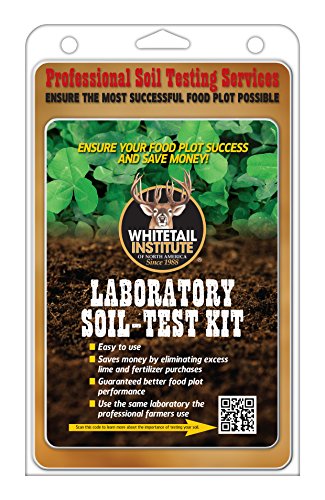
ENSURE the most SUCCESSFUL food plot possible

Power Source Type: Battery Powered
