

Have you ever wondered when nectarine trees burst into a vibrant display of fruits in your garden? Picture this: eagerly anticipating the sweet, juicy nectarines hanging from the branches, only to find yourself unsure of when to expect them. It’s a common dilemma for many garden enthusiasts like yourself.
In this article, you’ll discover the key to unlocking the mystery of when nectarine trees yield their delicious fruits. By understanding the specific time of year these trees bear fruit, you’ll be able to plan and prepare for a bountiful harvest. Stay tuned to learn how to maximize the fruit-bearing potential of your nectarine trees and enjoy the fruits of your labor.
Key Takeaways
- Seasonal Timing: Nectarine trees typically start producing fruit in late spring to early summer.
- Fruit Development: The process from flowering to ripe fruit ready for harvest can take a few months.
- Pruning Importance: Proper pruning helps maintain the tree’s shape, allows sunlight to reach all parts of the tree, and promotes fruit growth.
- Pollination Needs: Nectarine trees require proper pollination for fruit set; bees and pollinators play a crucial role.
- Harvest Time: Nectarines are ready for harvesting in late spring to early summer, depending on the specific cultivar.
Overview of Nectarine Trees
Understanding the fruiting pattern of nectarine trees is essential for planning your garden efficiently. Nectarine trees, like many fruit trees, have a specific time of year when they produce fruit. Here’s an overview to help you grasp when to expect the delicious nectarines from your trees:
- Seasonal Timing: Nectarine trees typically start producing fruit in late spring to early summer. This period may vary slightly depending on the specific climate and geographical location of your garden.
- Fruit Development: After the tree blossoms, the fruit starts to form, and over time, it grows in size and ripens. The process from flowering to ripe fruit ready for harvest can take a few months.
- Varietal Differences: Different nectarine tree varieties may have slightly different fruiting times. Some may produce fruit earlier in the season, while others might bear fruit later.
- Optimal Growing Conditions: To ensure a bountiful harvest, provide your nectarine tree with adequate sunlight, water, and nutrients. Proper care throughout the growing season can promote healthy fruit production.
- Pruning Importance: Pruning your nectarine tree correctly can also influence fruit production. It helps maintain the tree’s shape, allows sunlight to reach all parts of the tree, and promotes fruit growth.
- Pollination Needs: Remember that nectarine trees, like many fruit trees, require proper pollination to set fruit. Bees and other pollinators play a crucial role in this process, so ensure your garden attracts these beneficial insects.
- Harvest Time: Once the nectarines are fully ripe, they can be harvested for consumption. Enjoy the sweet and juicy fruits straight from your tree or use them in various culinary creations.
By understanding the seasonal patterns and requirements of nectarine trees, you can optimize your gardening efforts and look forward to a fruitful harvest. Keep a close eye on your trees as they progress through each stage of growth, and delight in the satisfaction of enjoying homegrown nectarines when the time is right.
Factors Affecting Nectarine Fruit Production
Understanding the factors that influence nectarine fruit production is vital for a successful harvest in your garden. Several key elements can affect when your nectarine trees will produce fruit. Here are the factors to consider:
Recommended Products
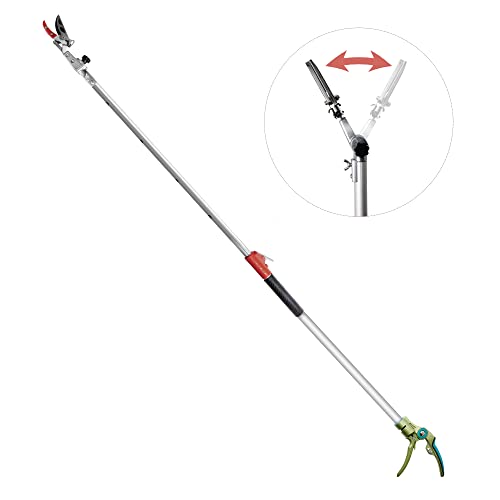
[Helpful Garden Tool] GARTOL brings to you a lightweight and extendable pruning tool to reach out to the least approachable arenas of your garden. You can conveniently get across other plants to remove the fastgrowing brambles and sting nettles without getting scratched or hurt. For gardening lovers, the telescopic pruner cutter head can can be rotated which resolves mobility issues and gives you the pleasure of trimming your garden without bending down or using a ladder to climb and cut them.

[Cut & Hold Pole Pruner for Tree Trimming] This long reach cut and hold pruner makes it easy to grip and remove branches, flowers, or fruit without dropping them. Perfect as a pole fruit picker for harvesting lemons, oranges, apples, or persimmons, and for trimming shrubs and bushes without climbing a ladder.
Varietal Differences
Different nectarine varieties have varying maturation periods. Early-season varieties typically bear fruit in late spring, while mid-season and late-season varieties may produce fruit in early to mid-summer. Knowing the specific variety you have planted can help you anticipate when your nectarines will be ready for picking.
Climate and Location
The climate and geographic location play a significant role in determining the fruiting time of nectarine trees. Warmer regions generally experience earlier fruiting compared to cooler climates. Additionally, the local microclimate in your garden, influenced by factors like altitude and proximity to bodies of water, can affect the fruiting schedule of your nectarine trees.
Optimal Growing Conditions
Providing your nectarine trees with optimal growing conditions is essential for encouraging fruit production. Ensure your trees receive sufficient sunlight, adequate water, well-draining soil, and appropriate fertilization to support healthy fruit development. Proper care and maintenance throughout the growing season can enhance fruit yield.
Pruning Practices
Pruning plays a crucial role in nectarine fruit production. Regular pruning helps maintain the tree’s shape, remove dead or diseased branches, and improve air circulation, sunlight exposure, and fruit quality. Prune your nectarine trees during the dormant season to promote new growth and encourage fruiting.
Pollination Needs
Nectarine trees rely on effective pollination to set fruit. Bees and other pollinators play a vital role in transferring pollen between flowers, leading to successful fruit development. Ensure there are adequate pollinators in your garden to support the pollination process and maximize fruit set on your nectarine trees.
By considering these factors and providing your nectarine trees with the necessary care and conditions, you can anticipate when they will bear fruits and enjoy a bountiful harvest in your garden. Understanding the nuances of nectarine fruit production empowers you to cultivate thriving trees and relish the delightful taste of homegrown nectarines at the right time.
Nectarine Tree Blossoming Season
When do nectarine trees bloom and produce fruit in your garden? Understanding the nectarine tree blossoming season is crucial for anticipating the delightful fruits they yield. Here’s what you need to know:
Blooming Period:
During early spring, typically between late February and early March, nectarine trees burst into beautiful pink and white blossoms. This spectacular display marks the beginning of the fruit-bearing process.
Pollination Requirement:
Nectarine trees, like many fruit trees, require pollination to set fruit. Bees play a vital role in transferring pollen from flower to flower, enabling successful fertilization.
Fruit Development:
Following successful pollination, the delicate flowers fall off, giving way to tiny green nectarines. As the season progresses, these young fruits grow and mature under the warm sun.
Harvest Time:
Depending on the variety of nectarine tree you have planted, the time from blossoming to fruit harvest can vary. Generally, nectarine trees are ready for harvesting in late spring to early summer.
Climate Influence:
The nectarine tree blossoming season can be affected by climate conditions. Adequate sunlight, warmth, and water are essential for healthy blossoms and fruit development.
Care Tips:
To ensure a bountiful harvest, provide your nectarine tree with proper care throughout the blooming season. Regular watering, appropriate fertilization, and suitable pruning can enhance fruit production.
Conclusion:
By being attentive to the blooming period, pollination needs, fruit development, and environmental factors, you can optimize the nectarine tree blossoming season in your garden. Embrace the beauty of spring blossoms and look forward to a rewarding harvest of luscious nectarines.
Harvesting Nectarines
Nectarines are harvested from mid to late summer. The exact timing of harvesting nectarines is influenced by the variety of nectarine tree you have in your garden. Harvesting Nectarines mainly occurs from July to September, depending on the specific cultivar. It’s essential to monitor your nectarines closely to ensure they are picked at the right time for optimal taste and texture.
During the harvesting season, check your nectarines’ firmness. Harvesting Nectarines at their peak ripeness guarantees the best flavor. A ripe nectarine should yield slightly to gentle pressure and have a sweet aroma. If the fruit is still hard, it needs more time on the tree to ripen fully. However, if it feels mushy, it may be overripe.
To pick nectarines, gently twist and lift the fruit from the tree, taking care not to damage nearby branches or the tree itself. A ripe nectarine should come off easily when it’s ready to be harvested. Harvesting Nectarines too early can lead to a bland taste, while waiting too long can result in mushy fruit.
After picking your nectarines, handle them with care to prevent bruising. Store the harvested nectarines in a single layer in a cool place or the refrigerator. Remember not to wash nectarines until you’re ready to eat or use them to avoid reducing their shelf life.
By understanding the Harvesting Nectarines timeframe and proper picking techniques, you can enjoy the delight of freshly picked, homegrown nectarines at their flavorful best.
Conclusion
Enjoy the delightful process of nectarine tree fruit production as it unfolds throughout the year. From the anticipation of blossoming in early spring to the rewarding harvest from mid to late summer, each stage offers its own charm. Remember to observe your nectarines closely for that perfect ripeness by checking firmness and aroma. When it’s time to harvest, handle the fruit with care using gentle techniques to preserve their quality. By understanding the different varieties and their harvest times, you can savor the taste of freshly picked nectarines at their peak. So, embrace the journey of growing and harvesting nectarines, and relish the satisfaction of enjoying your homegrown fruits.
Frequently Asked Questions
When is the best time to harvest nectarines?
Nectarines are best harvested from mid to late summer, typically between July to September, depending on the tree cultivar.
How can I tell if a nectarine is ripe and ready for harvest?
Check for firmness and aroma to determine ripeness. A ripe nectarine should yield slightly when gently pressed and have a sweet aroma.
What are the proper techniques for harvesting nectarines?
Harvest nectarines by gently twisting and lifting the fruit from the tree to avoid damage. Handle them with care to prevent bruising.
How should harvested nectarines be stored?
Store harvested nectarines in the refrigerator or at room temperature, depending on ripeness. Keep them in a single layer to prevent bruising and maintain quality.
Why is monitoring nectarines important during harvest?
Monitoring nectarines ensures optimal taste and texture. Harvesting them at the right time enhances flavor and overall fruit quality.
