

Are your nectarine trees soaking up enough sunlight? Picture this: you’ve carefully planted your nectarine tree, eagerly anticipating a bountiful harvest. But, are you providing it with the sunshine it craves? Understanding the sunlight needs of nectarine trees is key to ensuring a thriving orchard.
In this article, we’ll explore the importance of sunlight for nectarine trees and how it impacts their growth and fruit production. Discovering the optimal sun exposure for your nectarine trees can make all the difference in the quality and quantity of the delicious fruit they yield. Let’s shed some light on the topic and help you cultivate a flourishing nectarine orchard.
Key Takeaways
- Nectarine trees thrive in full sun and require at least 6 to 8 hours of direct sunlight daily for optimal growth and fruit production.
- Insufficient sunlight can lead to stunted growth and reduced fruit yield in nectarine trees, emphasizing the importance of meeting their sunlight needs.
- To optimize sunlight exposure, consider factors such as proper site selection, pruning practices to allow sunlight penetration, and monitoring sun patterns in the orchard.
- Understanding the factors influencing sunlight needs, such as duration, tree age, seasonal variations, and tree health, is crucial for maintaining a thriving nectarine orchard.
Exploring Sunlight Requirements of Nectarine Trees
Understanding the sunlight needs of nectarine trees is crucial for ensuring a flourishing orchard. By discovering the optimal sun exposure for these trees, you can enhance the quality and quantity of the fruit they produce.
Recommended Products

Non-GMO Seeds: These nectarine tree seeds are completely natural and non-genetically modified, ensuring you grow authentic, wholesome fruit trees that produce delicious nectarines with traditional flavor and nutritional value for your family to enjoy

*Due to California Department of Agriculture, we cannot ship this item to the state of California*

We cannot ship this live plant to CA, AZ, AK, or HI. Any orders placed from these states will be canceled and refunded immediately.
Sunlight Needs
Nectarine trees thrive in full sun, which means they need at least 6 to 8 hours of direct sunlight each day. Adequate sunlight is essential for photosynthesis, the process by which plants convert light energy into food.
Impacts of Insufficient Sunlight
If nectarine trees don’t receive enough sunlight, their growth and fruit production may be affected. Insufficient sunlight can lead to:
- Stunted growth: Without enough sunlight, nectarine trees may grow slowly or fail to reach their full potential.
- Reduced fruit yield: A lack of sunlight can result in fewer flowers and, ultimately, fewer fruits.
Sunlight Optimization Tips
To ensure your nectarine trees get the sunlight they need, consider the following tips:
- Site Selection: Plant your nectarine trees in a location that receives ample sunlight throughout the day.
- Pruning: Regularly prune your trees to allow sunlight to reach all parts of the tree, promoting healthy growth.
- Sun Exposure: Monitor the sun exposure in your orchard to ensure that trees are not shaded by nearby structures or taller plants.
Conclusion
Optimizing sunlight exposure for nectarine trees is key to their overall health and productivity. By providing adequate sunlight and following proper care practices, you can cultivate a thriving nectarine orchard with bountiful harvests.
Understanding the Sunlight Needs of Nectarine Trees
To ensure your nectarine trees thrive and produce abundant fruits, it’s crucial to understand their sunlight requirements. Nectarine trees are sun lovers and need a substantial amount of sunlight to grow optimally.
Nectarine Trees’ Sunlight Needs:
- Full Sun Requirement:
Nectarine trees do best when they receive a minimum of 6 to 8 hours of direct sunlight each day. This sunlight exposure is essential for the trees to undergo photosynthesis efficiently, which is vital for their growth and fruit development. - Consequences of Insufficient Sunlight:
If nectarine trees don’t get an adequate amount of sunlight, they may experience stunted growth and produce fewer fruits. Insufficient sunlight can weaken the tree, affecting its overall health and reducing the quality and quantity of fruit yield.
Optimizing Sunlight Exposure:
To help your nectarine trees get the sunlight they need, consider the following tips:
- Proper Site Selection: Plant your nectarine trees in an area that receives ample sunlight throughout the day. Avoid shaded spots or areas with obstructions that can block sunlight.
- Pruning Practices: Regular pruning of your nectarine trees can help ensure sunlight reaches all parts of the tree. Remove any overlapping branches or excess foliage that may be hindering sunlight penetration.
- Monitoring Sun Exposure: Pay attention to how sunlight moves across your orchard throughout the day and seasons. Be mindful of any changes in sun patterns due to nearby structures or tree growth that may affect sunlight access.
By understanding and meeting the sunlight needs of your nectarine trees, you can support their growth, health, and fruit production. Implementing these tips can help you cultivate a thriving nectarine orchard with bountiful harvests.
Factors Influencing Sunlight Needs of Nectarine Trees
To ensure the optimal growth and fruit production of your nectarine trees, understanding the factors that influence their sunlight requirements is essential. Here are the key aspects to consider:
1. Sunlight Duration
Nectarine trees thrive in full sun and need a minimum of 6 to 8 hours of direct sunlight each day. Insufficient sunlight can lead to stunted growth and reduced fruit yield.
2. Tree Age
Young nectarine trees are more sensitive to intense sunlight compared to mature trees. Gradually exposing young trees to increasing sunlight can help them acclimatize.
3. Seasonal Variations
The amount of sunlight nectarine trees require may vary based on the season. Consider seasonal changes in sunlight intensity and duration when planning for optimal tree growth.
4. Sunlight Quality
Apart from duration, the quality of sunlight is crucial. Ensure that the trees receive direct, unobstructed sunlight to promote efficient photosynthesis and overall tree health.
5. Tree Health
Healthy nectarine trees can better utilize sunlight for growth and fruit production. Regular pruning, fertilization, and pest control measures can help maintain tree health and maximize sunlight absorption.
6. Microclimate Factors
Factors such as surrounding vegetation, buildings, or structures can cast shadows and impact the sunlight nectarine trees receive. Assess the microclimate of your orchard to ensure adequate sunlight exposure.
7. Site Selection
Choosing the right location for your nectarine trees is vital. Select a site with good air circulation and maximum sunlight exposure throughout the day to support healthy tree growth.
8. Monitoring
Regularly monitor the sunlight patterns in your orchard to identify any areas of shade or changes in sunlight exposure. Adjust tree placement or prune surrounding vegetation if needed to optimize sunlight intake.
By considering these factors and taking proactive steps to meet the sunlight requirements of your nectarine trees, you can promote their growth, ensure fruitfulness, and set the stage for a thriving orchard.
Caring for Nectarine Trees in Relation to Sunlight
To ensure the health and productivity of your nectarine trees, it’s essential to understand and cater to their sunlight needs. Adequate sunlight is crucial for optimal growth and fruit production, so here are key points to consider when caring for your nectarine trees in relation to sunlight:
Recommended Products

TWO USAGE METHODS: Our branch trunk support has two types of Y-shaped supports, which can support branches of different diameters. You can choose a method based on the size of the branch. Holds branches up to 0.5"& 1.8" in diameter respectively corresponding to two different support methods. Stop losing your fall harvest to broken branches!
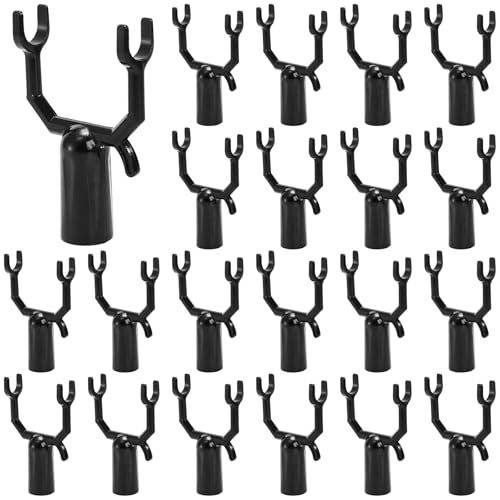
Dual Y-Shaped Support: The metal tree branch support features a Y shape, which can accommodate branches up to 0.5" (perfect for delicate plants) or 1.8" thick (ideal for heavy fruit-laden limbs). No more fallen fruits!

The overall support length of the tree support pole can be freely adjusted between 34“ and 74” . The tree branch support is used in combination with three 16.5“ stainless steel rods and 17 - 27” telescopic rods, which is suitable for branches of different heights
Providing Sufficient Sunlight Exposure
- Position your nectarine trees in a location where they can receive 6 to 8 hours of direct sunlight daily.
- Opt for a spot with unobstructed sunlight to ensure tree health and fruit development.
- Avoid placing your trees in the shade of buildings or large trees that may block sunlight.
Understanding Sunlight Quality
- Ensure that the sunlight your nectarine trees receive is of high quality.
- High-quality sunlight consists of the full spectrum of light necessary for photosynthesis.
- Monitor any signs of sunburn on leaves, indicating excessive exposure to harsh sunlight.
Seasonal Considerations
- Be mindful of seasonal variations in sunlight exposure.
- Adjust tree care routines based on the changing angle and intensity of the sun throughout the year.
- Consider providing shading during hot summer months to protect your trees from extreme heat.
Monitoring and Care
- Regularly monitor sunlight levels received by your nectarine trees.
- Prune surrounding vegetation to maximize sunlight penetration to the tree canopy.
- Check for any signs of stress related to insufficient or excessive sunlight exposure.
- Consider reflective materials to increase sunlight exposure to lower branches.
- Use mulch around the base of your trees to retain moisture and regulate soil temperature.
- Implement a regular watering schedule to support tree health and resilience to changing sunlight conditions.
By proactively addressing the sunlight needs of your nectarine trees, you can promote healthy growth, robust fruit production, and a thriving orchard. Remember to observe and adapt to ensure your trees receive the optimal sunlight required for their well-being.
Conclusion
Ensuring your nectarine trees receive adequate sunlight is key to their well-being and fruitfulness. By providing the recommended 6 to 8 hours of direct sunlight daily and selecting optimal planting spots, you set the stage for healthy growth. Monitoring sunlight levels, making seasonal adjustments, and employing care techniques like pruning and shading when needed contribute to your trees’ vitality. Remember, a well-cared-for nectarine tree rewards you with bountiful fruit and a thriving orchard. Keep up with these practices to nurture your trees and enjoy the sweet rewards of your efforts.
Frequently Asked Questions
Why is sunlight crucial for nectarine trees?
Sunlight plays a vital role in nectarine tree care by facilitating photosynthesis, which is essential for their health and productivity.
How many hours of direct sunlight do nectarine trees need daily?
Nectarine trees require 6 to 8 hours of direct sunlight each day to thrive and produce abundant fruit.
What measures can be taken to ensure high-quality sunlight for nectarine trees?
Choosing unobstructed locations, monitoring seasonal variations, and using reflective materials can help maintain high-quality sunlight for nectarine trees.
How can proactive care practices benefit nectarine trees?
Proactive measures like pruning, shading in hot months, and using reflective materials can support nectarine tree health and resilience.
What are some additional care practices that can promote nectarine tree health?
Mulching, proper watering, and regular monitoring of sunlight levels are key care practices that can enhance nectarine tree growth and fruit production.
