

Have you ever found yourself staring at your fig tree, wondering why it’s not producing any fruit? You’re not alone. Many gardeners face this frustrating situation, especially after nurturing their trees with care and anticipation.
Key Takeaways
- Pollination Needs: Some fig varieties require specific wasps for pollination. Planting additional pollinator-attracting plants can improve fruit production.
- Sunlight Requirements: Fig trees need a minimum of 6-8 hours of direct sunlight daily for optimal growth and fruit set. Relocating shaded trees can be beneficial.
- Soil Quality: Healthy soil with good drainage and a pH between 6.0 to 6.8 is crucial. Regular soil testing and amendments with organic matter can enhance fruiting potential.
- Climate Stability: Fig trees thrive in warm, Mediterranean climates. Protecting them from extreme cold or wet conditions helps ensure successful fruit production.
- Consistent Care: Regular watering (1-2 inches weekly) and using a balanced fertilizer in early spring can improve tree health and yield.
- Understanding Dormancy: Fig trees have a natural dormancy period, particularly in colder months. Recognizing this is key to managing expectations for fruit production.
Common Reasons Why My Fig Tree Is Not Producing Fruit
Fig trees may struggle to bear fruit due to several common factors. Understanding these reasons can help you diagnose the issue effectively.
Recommended Products

KNOW BEFORE YOU GROW | Grow the healthiest, sustainable lawn and garden with the most accurate and easy to use professional soil test kit on the market

Accurate Soil pH Testing: Dewildetradingco Soil pH Test Strips offer measurements of soil pH levels (pH 3.5-9). As an essential tool for every gardener and grower, these test strips help determine the optimal pH for various plants, such as outdoor plants, indoor plants, gardens, grass lawns, fruit trees, flowers, vegetables, and forest shrubs.

Kindly NOTE: This soil tester can not be applied to test pH value of any other liquid. If the soil is too dry the indicator will not move, and water it before testing.
Poor Pollination
Poor pollination can hinder fruit production in fig trees. Some fig varieties require specific wasps for pollination. If your tree relies on these wasps and they don’t visit, you won’t see any fruit. Consider planting additional plants that attract pollinators. This environment can increase the likelihood of fruitful blooms.
Insufficient Sunlight
Insufficient sunlight affects fig tree growth and fruit set. Fig trees thrive in full sun, needing at least 6-8 hours of direct sunlight daily. If your tree is shaded by structures or other plants, consider relocating it to a sunnier spot. This change enhances the photosynthesis process, promoting better fruit development.
Soil Quality Issues
Soil quality directly impacts fig tree health and fruit production. Poor drainage, compacted soil, or nutrient deficiencies can stunt growth. Test your soil for pH and nutrient levels. Aim for well-draining, loamy soil with a pH between 6.0 and 6.8. Improve soil quality by adding organic matter or fertilizers as needed. This will create a more favorable environment for fruiting.
By addressing these common factors, you can enhance the chances of your fig tree producing fruit successfully.
Environmental Factors Affecting Fig Trees
Environmental factors play a significant role in fruit production for fig trees. Understanding these factors can help you identify potential issues affecting your tree’s ability to bear fruit.
Recommended Products

Extra Thick Tree and Plant Covers for Winter: Scrubits Frost Blankets for outdoor plants and Trees will ensure that your Trees and large plants not only survive the winter but thrive and grow to blossom. With its extra thick fabric and long-lasting material, you can be confident about next year's harvest.
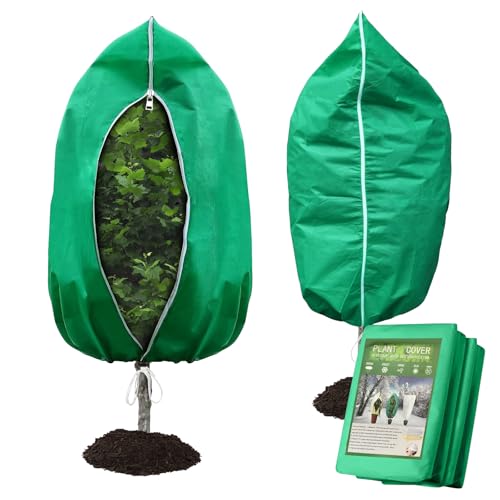
🌬️ Ultimate Cold Weather Protection:Crafted from thick 2.8oz/yd² non-woven fabric, our HEKIWAY plant freeze covers shield your trees and plants from frost, snow, wind, and ice. A reliable barrier for harsh winters, ensuring your greenery survives and thrives

Agfabric plant covers are designed as a frost freeze protection,which is used to extend the growing season in cold winter and early spring wheather, allows 30%-50% light transmittance, resists harsh weather such as frost, wind, snow, hail.The heavy-weight FRCs is 1.5oz.
Climate Conditions
Fig trees thrive best in warm, Mediterranean climates. A consistent climate with minimal temperature fluctuations is ideal. Areas that experience extreme cold or prolonged wet conditions can hinder fruit production. If you live in a region with high humidity or excessive rain, consider planting your fig tree in a well-drained area to reduce the risk of root rot, which affects growth and fruit set.
Temperature Fluctuations
Temperature stability is crucial for your fig tree’s health and productivity. Fig trees require warm temperatures, typically between 60°F to 100°F (15°C to 37°C). Sudden drops in temperature can cause stress and prevent fruit development. Ensure that your fig tree is shielded from frost during colder months; using covers or planting in a sheltered location can protect it. Additionally, extreme heat can stress the tree. Provide adequate hydration and mulch to keep roots cool and conserve moisture, promoting a healthier, fruit-bearing tree.
Proper Care for Fig Trees
Proper care ensures your fig tree thrives and produces fruit. Focus on watering, fertilization, and other essential practices.
Watering Techniques
Water your fig tree consistently for optimal growth. During the growing season, provide 1 to 2 inches of water weekly. Use a soaker hose or drip irrigation to deliver moisture directly to the root zone. Ensure the soil is well-drained; soggy conditions can lead to root rot. A useful tip is to check the top inch of soil. If it feels dry, it’s time to water.
Fertilization Tips
Fertilize your fig tree to boost its health and fruit production. Use a balanced fertilizer, like a 10-10-10 NPK formula, in early spring. Apply about 1 to 2 cups around the base of the tree. Avoid over-fertilization, which can harm the tree and reduce fruit yield. In late summer, stop fertilizing. This allows the tree to focus on ripening any existing fruit. For an organic option, consider compost; it enriches soil and provides nutrients slowly.
Seasonal Considerations
Seasonal factors significantly influence whether your fig tree produces fruit. Understanding these elements can help you troubleshoot issues effectively.
Fig Tree Dormancy
Fig trees exhibit a natural dormancy phase, especially in colder months. During dormancy, the tree conserves energy and focuses on root health, often delaying fruit production until warmer weather. Typically, this dormancy period lasts from late fall through early spring. If your fig tree appears barren during this season, know that it’s a normal part of the growth cycle.
Timing of Fruit Production
The timing of fruit production relies on various factors, including climate and tree variety. Fig trees generally bloom in spring and produce fruit throughout summer. Some varieties, like the Brown Turkey, bear fruit twice a year. Others, such as the Celeste, only produce once. Observing the specific fruiting patterns of your fig variety is crucial.
Ensure your tree receives adequate warmth and consistent temperatures, ideally between 60°F and 100°F (15°C to 37°C), to encourage timely fruit development. If cold snaps disrupt this range, your tree may delay or skip fruit production for that season.
Conclusion
Fig trees can be a delightful addition to your garden but when they don’t produce fruit it can be frustrating. By understanding the various factors that influence fruit production you can take steps to ensure your tree thrives.
Pay close attention to sunlight soil quality and environmental conditions. With a bit of patience and the right care your fig tree can reward you with delicious fruit. Remember that every tree has its own rhythm so don’t lose hope if it takes a little time. Keep nurturing your tree and enjoy the journey of gardening.
Frequently Asked Questions
Why isn’t my fig tree producing fruit?
Fig trees may not produce fruit due to several factors, including poor pollination, inadequate sunlight, or soil quality issues. Some varieties require specific wasps for pollination, while all figs need at least 6-8 hours of direct sunlight daily to thrive.
How much sunlight do fig trees need?
Fig trees require 6-8 hours of direct sunlight each day for optimal growth and fruit production. Without sufficient sunlight, their ability to bear fruit can be severely hindered.
What soil conditions are best for fig trees?
Fig trees prefer well-drained soil with good drainage and adequate nutrients. Poor drainage, compacted soil, or nutrient deficiencies can stunt growth and prevent fruit production.
How do climate conditions affect fig trees?
Climate conditions significantly influence fig trees. They thrive in warm, Mediterranean climates and require stable temperatures. Extreme cold or prolonged wet weather can hinder their ability to produce fruit.
What temperatures are ideal for fig trees?
Fig trees flourish in temperatures between 60°F to 100°F (15°C to 37°C). Sudden drops in temperature can stress the tree and impact fruit development.
How can I help my fig tree produce fruit?
To encourage fruit production, ensure your fig tree receives adequate sunlight, maintain good soil quality, and provide proper care—such as watering 1 to 2 inches weekly, using balanced fertilizer, and protecting against extreme weather.
Do fig trees go dormant?
Yes, fig trees undergo a natural dormancy phase during colder months, usually from late fall through early spring. This dormancy can delay fruiting until warmer weather arrives.
How often do fig trees bear fruit?
The frequency of fig production varies by variety. For example, Brown Turkey figs can bear fruit twice a year, while Celeste figs typically produce fruit once a year.
What should I do during the growing season?
During the growing season, water your fig tree regularly (1 to 2 inches per week) using well-drained methods. Fertilize with a balanced fertilizer in early spring and use compost for an organic option to enhance soil nutrients.
How can I protect my fig tree from extreme weather?
To protect your fig tree, consider using covers during frost or extreme heat, planting in sheltered locations, and applying mulch to maintain soil moisture and regulate root temperature.
