

Have you ever wondered what happens to papaya trees after they bear fruit? If you’re growing these vibrant trees in your backyard or just curious about their life cycle, you might be surprised by the answer. Many people think that once a papaya tree fruits, it’s done for.
Key Takeaways
- Lifespan Expectations: Papaya trees typically live for 3 to 5 years and can produce up to 100 fruits annually during their productive years.
- Fruiting Cycle: Trees start bearing fruit within 6 to 12 months after planting, continuing for several years before productivity declines.
- Decline After Fruiting: While papaya trees may not die immediately after fruiting, their health and yield can diminish as they age, highlighting the importance of regular monitoring.
- Growing Techniques: Planting multiple papaya trees at different growth stages can ensure a consistent fruit harvest, mitigating gaps caused by older trees declining.
- Care Essentials: Proper soil, watering, and pest management are critical for maintaining the health and longevity of papaya trees, ensuring ongoing fruit production.
Overview Of Papaya Trees
Papaya trees, or Carica papaya, typically grow in tropical and subtropical regions. These fast-growing plants reach heights of 10 to 15 feet, with a trunk that can measure 6 to 12 inches in diameter. You’ll notice their large, lobed leaves, which can span up to 3 feet across, providing a striking appearance in gardens.
Papaya trees are known for their stunning fruit, which contains enzymes that aid digestion. The fruit can range in color from green to yellow to orange, depending on ripeness. Each tree can produce up to 100 fruits each year, but fruiting occurs primarily during the warm months.
You might be curious about the lifespan of papaya trees. Although many grow quickly, they have a relatively short life span of 3 to 5 years. After reaching maturity, they can produce fruit for several years, with periodic cycles of flowering and fruiting. Once they reach the end of their productive period, the trees begin to decline.
Consider this when growing papaya trees in your garden: planting multiple trees at different stages can ensure a continuous harvest. If one tree stops producing, you can still enjoy fruits from younger trees. This technique maximizes your yield and minimizes gaps in fruit production.
Recommended Products


Fragrant Flowers: Bloom blossoms that provide precious nectar for pollinators like bees, creating your own romantic orchard with heavy fruit and rich flavor

1. Requires Full Tropical Sun for Sweetest Fruit - A true sun-lover. Dwarf papaya trees need a minimum of 6-8 hours of direct, full sun daily to grow compactly, flower profusely, and produce fruits with the highest sugar content. Less sun results in poor fruiting.
Life Cycle Of Papaya Trees
Papaya trees go through distinct stages in their life cycle, impacting their growth and fruit production. Understanding these stages offers insight into how these trees thrive and reproduce.
Germination Stage
Germination occurs when seeds sprout, usually within 5 to 10 days under optimal conditions. Your seeds should be planted in well-draining soil, and maintaining temperatures between 70°F and 90°F enhances germination rates. You can start seeds indoors or directly in the ground. Keep the soil consistently moist but not waterlogged. Expect multiple seedlings to emerge, which you can later thin out, selecting the healthiest ones for growth.
Growth Stage
During the growth stage, papaya trees can reach heights of 10 to 15 feet in just a few months. This stage relies on ample sunlight, water, and nutrient-rich soil. You should apply a balanced fertilizer every 4 to 6 weeks to support robust growth. Regular watering is essential, especially during dry spells. Watch out for pests and diseases that may affect young trees; early intervention is key. Over time, the trunk thickens, and the distinctive, large leaves develop.
Fruiting Stage
Once mature, typically within 6 to 12 months, papaya trees begin to fruit. Each tree can produce up to 100 fruits annually, depending on health and care. Fruits develop at the top of the tree and ripen over several weeks. Harvesting occurs when the fruits turn from green to yellow, signaling ripeness. Note that after heavy fruit production, some trees decline in vigor and productivity but can still produce smaller quantities of fruit or new shoots. For ongoing yields, consider planting new trees alongside mature ones as old trees may slow or stop producing over time.
Do Papaya Trees Die After Fruiting?
Papaya trees don’t necessarily die after they bear fruit. Understanding their life cycle provides insight into their growth and longevity.
Recommended Products
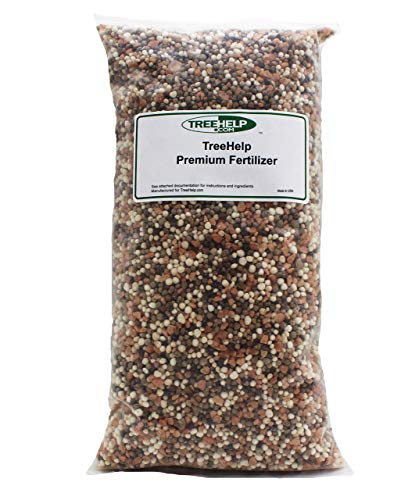
Not Available for Sell in WA, USA
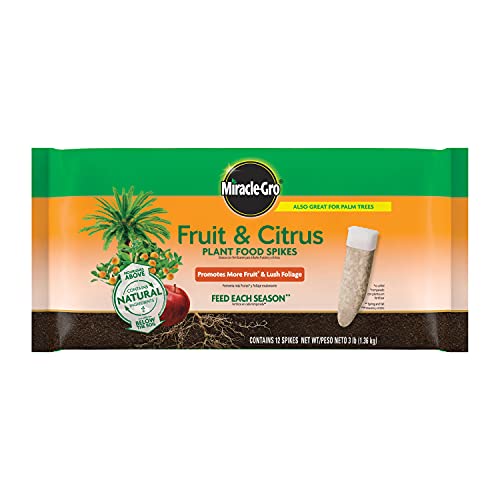
FORMULATED FOR CITRUS AND FRUIT TREES: Use these citrus fertilizer spikes on apple, orange, lemon, lime, and avocado trees; this formula is also great for feeding palm trees

Supports Strong Growth & Fruit Development - Helps promote vigorous branches, healthy foliage, and improved fig production.
Understanding the Fruiting Process
Papaya trees produce fruit within 6 to 12 months of planting, at which point you can expect a significant yield. Each tree can bear up to 100 fruits annually, primarily during warm months. After the first fruiting, trees can continue to produce for several years. However, fruit quality and quantity often decline as trees age. It’s essential to monitor them closely. Regular pruning can help improve air circulation and light penetration, enhancing overall fruit production.
Factors Affecting Tree Lifespan
Several factors influence the lifespan of papaya trees:
- Genetics: The specific cultivar plays a crucial role. Some varieties may have shorter lifespans than others.
- Climate: Papaya trees thrive in tropical and subtropical climates. Extreme temperatures or harsh conditions can affect growth and fruit production.
- Care: Proper watering, fertilization, and pest control enhance health and longevity. Additionally, providing well-draining soil supports root health.
- Age: As trees mature past their productive years (typically 3 to 5 years), productivity declines.
These factors contribute to the overall health of papaya trees and determine how long they’ll yield fruit before they show signs of decline. To maintain a fruitful garden, planting new trees regularly ensures continuous production even as older trees age.
Care Tips For Papaya Trees
Taking care of papaya trees ensures they continue producing fruit even as they age. Focus on their specific soil, water, and pest management needs.
Recommended Products

PLANT DISEASE CONTROL: Natria Neem Oil acts as an insecticide and fungicide in one convenient spray; Ready-to-use trigger sprayer requires no mixing


ADVANCED FORMULA: Emulsifiers built into the formula so you just add water. 100% pure oils require an emulsifier to allow oil and water to mix. Nature's IQ has this already built in so you just add water.
Soil and Water Requirements
Papaya trees thrive in well-draining, sandy loam soil rich in organic matter. Aim for a soil pH between 6.0 and 6.5 for optimal growth. You can improve soil quality by adding compost or well-rotted manure.
Watering is crucial, especially during dry spells. Provide deep, consistent watering, ensuring the root zone remains moist but not waterlogged. It’s essential to monitor rainfall and adjust your watering schedule. On average, papaya trees require about 1 inch of water per week.
Pest and Disease Management
Pest control is vital for healthy papaya trees. Watch for aphids, spider mites, and fruit flies that may affect your trees. Use neem oil or insecticidal soap as natural treatments. Regularly inspect leaves and fruits for any signs of infestations.
Disease prevention is equally important. Ensure good air circulation by pruning lower leaves and any overcrowded branches. This practice helps prevent fungal infections. You can also practice crop rotation and avoid planting papayas in the same spot repeatedly.
Conclusion
Papaya trees bring joy and delicious fruit to your garden for several years. While they might not produce at their peak forever, they certainly don’t just die after fruiting. With the right care and attention, you can keep your trees healthy and thriving.
Regular monitoring and maintenance are key to ensuring they continue to bear fruit. By planting new trees alongside the older ones, you’ll enjoy a steady supply of fresh papayas. So keep nurturing your papaya trees and watch them flourish, providing you with sweet rewards season after season.
Frequently Asked Questions
What is the life cycle of a papaya tree?
The papaya tree life cycle includes germination, growth, and fruiting stages. Seeds sprout in 5 to 10 days, trees reach full height in a few months, and begin fruiting within 6 to 12 months. After fruiting, they can continue producing for several years, although productivity may decline.
How tall do papaya trees grow?
Papaya trees typically grow to heights of 10 to 15 feet. They are known for their large, lobed leaves and fast growth, reaching mature height within just a few months if provided with sufficient sunlight and nutrients.
Do papaya trees die after bearing fruit?
No, papaya trees do not die after bearing fruit. They can continue producing for several years, although the quantity and quality of fruit may decrease as they age. Regular care can help extend their productive life.
How many fruits can a papaya tree produce?
A healthy papaya tree can produce up to 100 fruits annually, mainly during warm months. Continuous harvesting can be achieved by planting trees at different growth stages.
What soil is best for papaya trees?
Papaya trees thrive in well-draining sandy loam soil with a pH of 6.0 to 6.5. Proper soil conditions are crucial for their growth and fruit production.
How much water do papaya trees need?
Papaya trees require about 1 inch of water per week, especially during dry spells. Consistent watering helps maintain their health and productivity.
What pests affect papaya trees?
Common pests include aphids and spider mites. Natural treatments such as neem oil can effectively manage these pests and protect the trees.
How can I improve the lifespan of my papaya tree?
To enhance the lifespan of your papaya tree, provide proper care through regular watering, fertilization, and pest control. Good air circulation and practices like crop rotation can also prevent disease and promote healthy growth.
