

Have you just planted a fruit tree and wonder when to give it that extra boost of nutrients? You’re not alone. Many new gardeners face the same question, eager to ensure their trees thrive and produce delicious fruit.
Timing is everything when it comes to fertilizing newly planted trees. Too early or too late can hinder their growth and overall health. In this article, you’ll learn the best practices for fertilizing your young trees, helping them establish strong roots and flourish in your garden. By following these simple guidelines, you’ll set your fruit trees up for success and enjoy the fruits of your labor sooner than you think.
Key Takeaways
- Fertilization Timing: New fruit trees benefit from fertilization starting in the second year; early application can hinder root development.
- Key Factors: Consider the tree’s age, soil quality, species needs, and environmental conditions when planning fertilization.
- Best Practices: Fertilize in early spring with a balanced fertilizer and again in late summer with low-nitrogen options to support growth and fruit development.
- Signs of Nutrient Deficiency: Monitor leaf size, color, and overall growth to identify potential nutrient deficiencies and determine when fertilization is needed.
- Fertilizer Types: Both organic (like compost and bone meal) and synthetic (like 10-10-10 and 5-10-10 fertilizers) options are effective; choose according to your gardening style and needs.
Understanding Newly Planted Fruit Trees
Newly planted fruit trees require careful management to establish strong roots and healthy growth. Understanding their needs ensures you provide the right conditions for them to thrive.
Importance of Fertilization
Fertilization plays a crucial role in the development of newly planted fruit trees. It supplies essential nutrients that boost growth, improve soil health, and increase resilience against pests. Fertilizing too early can encourage excessive leaf growth at the expense of root development. Wait until the tree establishes itself before adding fertilizer. For example, trees typically benefit from fertilization in the second year as their roots start to spread.
Factors Influencing Fertilization Timing
Several factors influence when to fertilize newly planted fruit trees:
- Age of the Tree: Fertilization often starts in the second year, depending on the species.
- Soil Quality: Test the soil for nutrients. Amend the soil accordingly based on its nutrient levels.
- Tree Species: Different fruit trees require different nutrient levels. Research specific needs for apples, peaches, and others.
- Environmental Conditions: Monitor rainfall and temperature. Fertilization may need adjustment based on weather patterns.
Understanding these factors helps determine the best timing for fertilization, ensuring optimal growth for your fruit trees.
Best Times to Fertilize
Fertilizing at the right time ensures your newly planted fruit trees thrive. Here are the key periods to consider for fertilization.
Recommended Products

FORMULATED FOR CITRUS AND FRUIT TREES: Use these citrus fertilizer spikes on apple, orange, lemon, lime, and avocado trees; this formula is also great for feeding palm trees

Let our professionally formulated plant food help your fruit tree grow healthy, strong AND abundantly producing
Early Spring Fertilization
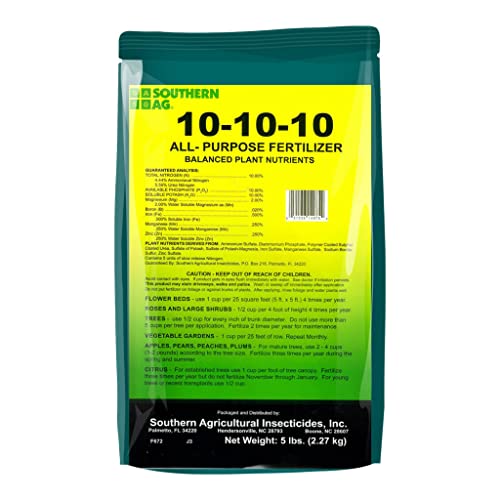
Fertilizing in early spring provides vital nutrients during the tree’s active growth phase. Aim for late March to early April, just as buds start to swell. Use a balanced fertilizer with equal parts nitrogen, phosphorus, and potassium. An example includes a 10-10-10 NPK fertilizer.
Apply the fertilizer around the tree’s drip line to encourage nutrient uptake without harming the roots. Water thoroughly after application to help the nutrients penetrate the soil. Avoid too much nitrogen; it promotes leaf growth instead of establishing roots.
Late Summer Considerations
Fertilizing in late summer, around August, supports fruit development and prepares trees for winter. At this stage, a fertilizer lower in nitrogen and higher in potassium helps fruit ripening and strengthens root systems. A good example is a 5-10-10 NPK formula.
Apply this fertilizer approximately six weeks before the first expected frost. Water well after applying, as this aids nutrient absorption and minimizes stress during the dormant season. Monitor growth closely; too much late-season fertilization can delay dormancy, making trees more susceptible to cold damage.
Signs That Indicate Fertilization Needs
Observing certain signs helps determine when to fertilize newly planted fruit trees. Pay attention to growth patterns and signs of nutrient deficiencies.
Growth Patterns to Observe
Monitor the overall growth rate of your fruit trees. Healthy trees should exhibit steady and balanced growth. Look for:
- Leaf Size: Small or stunted leaves indicate insufficient nutrients.
- New Growth: Limited new growth during active seasons suggests the tree may lack essential nutrients.
- Color Change: Faded or yellowing leaves can signal a lack of nitrogen, affecting overall vitality.
Evaluate branch development. Weak or brittle branches may mean the tree lacks adequate fertilization. A strong, broad canopy signals that the tree is thriving and properly nourished.
Nutrient Deficiencies
Identifying nutrient deficiencies aids in determining fertilization needs. Watch for specific signs:
- Yellow Leaves: Yellowing leaves often indicate nitrogen deficiency.
- Brown Edges: Browning leaf edges can suggest potassium deficiency.
- Stunted Fruit Development: Poor fruit growth may point to a lack of phosphorus.
Perform soil tests. Regularly testing soil pH and nutrient levels provides insights into what your tree needs. Based on results, select the appropriate fertilizer to address deficiencies effectively.
Common Fertilizer Types
Choosing the right fertilizer is essential for newly planted fruit trees. Two main types of fertilizers are commonly used: organic and synthetic. Each offers unique benefits, depending on your gardening style and the specific needs of your trees.
Recommended Products

Down to Earth Fruit Tree is a five pound box of all natural fertilizer with 6-2-4 formula and is listed by the Organic Materials Review Institute (OMRI) for use in organic production

Natural and Organic Hand Crafted Blend
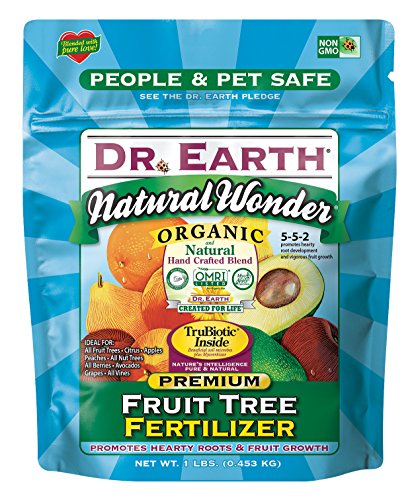
100% organic & natural hand crafted blend
Organic Options
Organic fertilizers come from natural sources and improve soil health over time. They provide a slow release of nutrients, which support long-term growth. Here are some popular organic options:
- Compost: Incorporate well-decomposed compost into the soil at planting. It enhances soil structure, moisture retention, and nutrient content. Aim for a 1-2 inch layer around the tree.
- Manure: Use aged manure from safe sources, like cows or chickens. It enriches the soil with nitrogen and other essential nutrients when applied in early spring.
- Bone Meal: Apply bone meal to promote strong root development. It’s high in phosphorus and should be mixed into the soil at planting time, using about 1 cup per tree.
- Fish Emulsion: This liquid fertilizer is rich in nitrogen and micronutrients. Dilute as directed and apply every 4-6 weeks during the growing season to support vibrant foliage.
Synthetic Fertilizers
Synthetic fertilizers are manufactured and designed for quick nutrient absorption. Choose the right NPK (Nitrogen-Phosphorus-Potassium) ratio to match your trees’ needs. Common synthetic options include:
- Balanced Fertilizers (10-10-10): Ideal for most newly planted fruit trees in early spring, balanced fertilizers provide equal amounts of nitrogen, phosphorus, and potassium. Apply around the drip line and water thoroughly.
- Low-Nitrogen Fertilizers (5-10-10): Best suited for late summer applications. A low nitrogen ratio encourages fruit development and prepares trees for winter. Use this type about six weeks before the first expected frost.
- Slow-Release Granules: These fertilizers release nutrients over time and minimize the risk of burning roots. Apply according to package instructions around the tree’s root zone to provide consistent nutrition through the growing season.
Selecting the right fertilizer type and application timing ensures healthy growth for your newly planted fruit trees.
Conclusion
Fertilizing your newly planted fruit trees at the right time is key to their healthy growth and development. By waiting until they’re established and paying attention to their specific needs you can ensure they’re getting the nutrients they require.
Remember to observe your trees for signs of nutrient deficiencies and consider regular soil tests to guide your fertilization strategy. With the right timing and fertilizer choice your fruit trees will thrive and reward you with bountiful harvests for years to come. Happy gardening!
Frequently Asked Questions
When should I start fertilizing newly planted fruit trees?
It’s best to wait until the second year to fertilize newly planted fruit trees. This allows the trees to establish strong roots before they begin taking on nutrient supplements.
What signs indicate that my fruit tree needs fertilization?
Look for signs such as small leaf size, poor new growth, and discoloration. Additionally, conducting regular soil tests can help determine if nutrient levels are insufficient.
What is the best fertilizer for newly planted fruit trees?
A balanced fertilizer like a 10-10-10 NPK is ideal for new trees in their second year. In late summer, consider a lower-nitrogen fertilizer (5-10-10) to support fruit development.
Why is timing important when fertilizing fruit trees?
Proper timing is crucial because fertilizing too early can hinder root development and promote excessive leaf growth. Waiting until the right season supports optimal growth and fruit production.
How do I know when to apply fertilizer?
Fertilization should typically occur in early spring (late March to early April) and again in late summer (around August) based on the trees’ growth patterns and environmental conditions.
Should I use organic or synthetic fertilizer for fruit trees?
Both options have benefits. Organic fertilizers, like compost or fish emulsion, improve soil health, while synthetic fertilizers provide quick nutrient absorption. Choose based on your gardening preferences and the tree’s needs.
