

Have you ever noticed pesky bugs munching on your fruit trees? It can be frustrating to see your hard work threatened by these unwanted visitors. You’re not alone; many gardeners face this challenge and want to protect their precious harvests.
Key Takeaways
- Importance of Spraying: Spraying fruit trees is essential for maintaining tree health, maximizing harvests, and preventing damage from pests like aphids and spider mites.
- Benefits of Pest Control: Regular pest control reduces pest populations, prevents tree damage, and promotes healthier, more productive fruit trees.
- Identifying Pests: Common pests to watch for include aphids, spider mites, scale insects, fruit flies, and caterpillars; recognizing their signs can lead to timely intervention.
- Preparation and Timing: Optimal spraying times are early mornings or late afternoons when pests are most active; selecting the right sprays and timing is crucial for effectiveness.
- Spraying Techniques: Use proper equipment, ensure coverage on all parts of the tree, and monitor results for successful pest management.
- Safety Precautions: Always prioritize personal safety by wearing protective gear and consider environmental impacts by choosing eco-friendly products and following disposal guidelines.
Importance Of Spraying Fruit Trees
Spraying fruit trees for pests plays a crucial role in maintaining healthy plants and maximizing your harvest. Understanding the significance of this practice helps you appreciate its impact on your gardening efforts.
Benefits Of Pest Control
Pest control offers various benefits that enhance your fruit tree care.
- Prevents Damage: Spraying protects your trees from harmful pests like aphids and spider mites, which can devastate foliage and fruit.
- Reduces Pest Populations: Regular treatments minimize pest numbers, preventing infestations from becoming overwhelming.
- Promotes Healthier Trees: Fewer pests lead to less stress on your trees, allowing them to thrive and produce better yields.
Impact On Fruit Quality
The quality of your fruit directly influences your enjoyment and market value.
- Enhances Appearance: Healthy trees yield visually appealing fruit, free from blemishes and infestations.
- Improves Flavor: Pest-free fruits often have better taste and sweetness, enhancing your culinary experiences.
- Extends Shelf Life: Spraying contributes to longer-lasting fruit, providing you with nutritious produce that stays fresh.
Through effective spraying practices, you ensure your fruit trees flourish and provide high-quality harvests.
Types Of Pests Commonly Found
Fruit trees attract various pests that can threaten their health and productivity. Identifying these pests early helps you take necessary action.
Recommended Products

KILLS LISTED FRUIT & CITRUS TREE INSECTS: Controls Asian Citrus Psyllid, Whiteflies, Aphids Thrips, Citrus Leafminers, Leafhoppers, Blackfly, Mealybugs, Scales, Avocado Lacebugs, Oriental Beetles, Flea Beetles, Sharpshooters, and Spittlebugs

Control diseases and insects in your garden with Captain Jack’s Fruit Tree Spray Concentrate! Use on a variety of listed fruits, nuts and citrus plants.

TRIPLE PROTECTION FORMULA: 3-in-1 solution kills listed insects, controls listed diseases, and controls listed mites with one easy application
Insects To Watch For
- Aphids: Small, soft-bodied insects that suck sap from leaves. They often cluster on new growth and can cause leaf curling.
- Spider Mites: Tiny arachnids that thrive in dry conditions. Look for fine webbing on leaves and yellowing foliage.
- Scale Insects: These pests appear as small, scale-like bumps on branches and leaves. They suck sap and can weaken trees significantly.
- Fruit Flies: These pests lay eggs inside fruit. Look for larvae in decaying or damaged fruit.
- Caterpillars: Various caterpillar species feed on leaves, creating holes. Identify them by their distinct colors and patterns.
- Wilting Leaves: Stressed leaves can indicate sap-sucking insects like aphids or mites.
- Discoloration: Yellowing or browning leaves often signal damage from pests such as spider mites.
- Webbing: Fine webs on branches or leaves suggest a spider mite problem.
- Falling Fruit: Premature fruit drop may suggest infestation from fruit flies or other pests.
- Holes in Foliage: Look for uneven leaf edges or missing sections, indicating caterpillar feeding.
Identifying pests and recognizing the signs of infestation allows for timely intervention, ensuring your fruit trees remain healthy and productive.
Preparing To Spray Fruit Trees
Preparing to spray fruit trees involves careful planning and the right tools to ensure effective pest control. You want to protect your trees while minimizing any negative impact on the environment.
Recommended Products
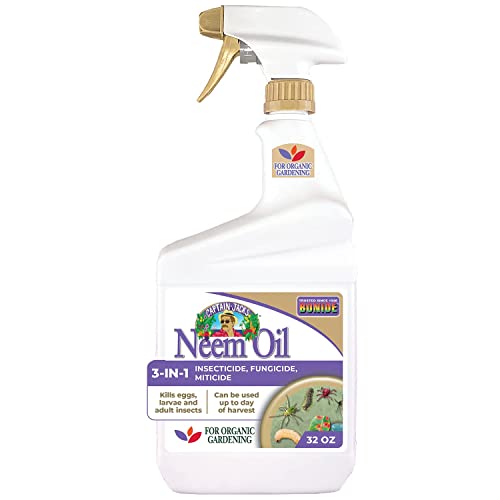
MULTI-PURPOSE BUG KILLER - Bonide Neem Oil is a perfect pest control solution for any garden dealing with mites, flies, mildew, and more. This product is a three-in-one fungicide, miticide, and insecticide.

INSECT KILLER: BioAdvanced Organics Brand Neem Oil spray controls aphids, whiteflies, spider mites, and other listed pests

An Organic Neem Oil Spray for Plants with a Powerful Essential Oil Blend (cedarwood, lemon, clove, cinnamon, eucalyptus, and rosemary) for healthier plants every time you spray. Big Leaf Energy is a multi-purpose spray for healthier, more resilient leaves and soils—and it smells amazing.
Choosing The Right Time
Timing is crucial for spraying fruit trees. Spray in the early morning or late afternoon when temperatures are cooler. Pests are most active during these periods. Also, avoid spraying during windy conditions, as this can lead to uneven application. It’s effective to monitor pest activity and check the weather forecast for optimal conditions. Seasonal timing matters too; early spring is ideal for preventing early infestations.
Selecting The Appropriate Sprays
Selecting appropriate sprays makes a significant difference in pest control. Use pesticides specifically formulated for the type of pests attacking your trees. For example, insecticidal soap targets soft-bodied insects like aphids. Organic options such as neem oil offer a natural alternative and are safe for beneficial insects when used correctly. Always read and follow label instructions for concentration, application rates, and safety precautions. Consider integrating beneficial insects, like ladybugs, to manage pest populations without chemicals.
Techniques For Spraying
Spraying fruit trees effectively requires the right equipment and a clear process. You can ensure maximum coverage and protection against pests by following these techniques.
Equipment Needed
- Sprayer: Choose a hand-held or backpack sprayer for small trees. For larger trees, consider a telescoping sprayer or a hose-end sprayer for ease of use.
- Protective Gear: Wear gloves, goggles, and a mask to shield yourself from chemicals and pesticides.
- Basin or Bucket: Utilize a basin or bucket to mix sprays safely.
- Marker: Keep a marker handy to label any diluted mixtures and note their application dates.
- Water Source: Ensure access to water for mixing solutions and rinsing equipment after use.
- Prepare the Spray: Mix the pesticide in a basin or bucket according to the manufacturer’s instructions. Follow the recommended dilution rates for effective results.
- Check Weather Conditions: Identify calm, dry days for spraying. Avoid windy conditions and rain, which can wash away sprays.
- Test Sprayer Setup: Before applying, test the sprayer on a small area to ensure it operates correctly and provides even coverage.
- Apply the Spray: Begin from the base of the tree and work your way upward. Aim for the underside of leaves, where pests often hide. Use a sweeping motion to ensure uniform coverage.
- Coverage Consistency: Ensure thorough coverage on all areas, including branches and the trunk. Don’t overlook damaged areas where pests may thrive.
- Monitor Results: After spraying, check the trees regularly for signs of persistent pests or any adverse reactions. If issues arise, consult a gardening expert for advice.
By following these techniques, you can effectively spray your fruit trees and protect your harvest from pests.
Safety Precautions
Prioritize safety when spraying fruit trees. Protecting yourself and the environment minimizes risks associated with pest control.
Protecting Yourself
Wear protective clothing to shield your skin from chemicals. Use gloves to prevent contact with pesticides. Eye protection, such as goggles or a face shield, safeguards your eyes from splashes. Respirators or masks provide additional protection against inhaling harmful fumes, especially in enclosed or poorly ventilated areas. Wash your hands thoroughly after handling pesticides and avoid touching your face while spraying.
Environmental Considerations
Consider the impact on non-target species and the surrounding ecosystem. Choose eco-friendly products whenever possible, such as organic insecticidal soaps or neem oil. Avoid spraying during windy conditions to prevent drift to nearby plants and water sources. Follow all label instructions carefully, focusing on application rates and timing, which helps minimize potential harm to beneficial insects, birds, and aquatic life. Dispose of any leftover chemicals according to local regulations to ensure environmental safety.
Conclusion
Taking the time to spray your fruit trees can make a world of difference in protecting your harvest. By staying vigilant and recognizing the signs of pest problems early on you can ensure your trees remain healthy and productive.
Remember the importance of using the right tools and techniques for effective application. Prioritizing safety for both yourself and the environment will lead to a more rewarding gardening experience.
With a little effort and care your fruit trees will thrive and reward you with delicious, high-quality fruit for years to come. Happy gardening!
Frequently Asked Questions
What common pests affect fruit trees?
Pests that commonly affect fruit trees include aphids, spider mites, scale insects, fruit flies, and caterpillars. These pests can damage leaves and fruit, leading to reduced quality and quantity of crops.
How can I identify signs of pest infestation?
Signs of pest infestation include wilting or discolored leaves, webbing on branches, falling fruit, and holes in foliage. Early identification of these indicators is crucial for effective pest management.
When is the best time to spray fruit trees?
The best time to spray fruit trees is in the early morning or late afternoon when pests are most active. Avoid windy days to ensure even application and reduce drift.
What types of sprays should I use for pest control?
Use insecticidal soap for soft-bodied insects and consider organic options like neem oil. It’s also beneficial to integrate natural predators, such as ladybugs, into your pest management strategy.
What equipment is needed for spraying fruit trees?
For small trees, a hand-held or backpack sprayer works well. For larger trees, consider a telescoping sprayer. Always wear protective gear when applying sprays to ensure safety.
What safety precautions should I take when spraying?
Always wear protective clothing, gloves, and eye protection. Use respirators in poorly ventilated areas and follow label instructions to minimize chemical exposure and environmental harm.
How can effective pest management improve fruit quality?
Effective pest management enhances fruit quality by preventing damage, improving flavor, and extending shelf life. Healthy trees are more productive and yield better-quality fruit for harvesting.
