

Have you ever wondered why your lime tree isn’t producing any fruit? You’re not alone. Many gardeners face this frustrating issue, especially after putting in the time and effort to care for their trees.
Key Takeaways
- Optimal Conditions: Lime trees thrive in warm temperatures (70°F to 85°F), full sunlight (at least 8 hours daily), and well-draining, slightly acidic soil (pH 5.5 to 6.5) to produce fruit effectively.
- Watering Practices: Maintain consistent moisture without overwatering. Water when the top inch of soil is dry, and consider mulching to retain moisture and regulate temperature.
- Nutritional Needs: Use a balanced fertilizer high in nitrogen, phosphorus, and potassium during the growing season to support healthy growth and fruiting.
- Pest and Disease Management: Regularly inspect for pests like aphids and diseases such as root rot. Prompt treatment helps protect fruit production.
- Pruning Techniques: Prune your lime tree in late winter or early spring to remove dead branches, improve air circulation, and stimulate flowering and fruiting.
- Pollination Considerations: Boost fruit development by ensuring adequate pollination. Planting pollinator-attracting flowers nearby can enhance fruit yield.
Understanding Lime Tree Growth
Understanding how lime trees grow helps you identify why your tree might not produce fruit. Lime trees require specific conditions to thrive and bear fruit effectively.
Key Factors in Lime Tree Growth
- Temperature: Lime trees prefer warm temperatures between 70°F and 85°F. If temperatures drop below 50°F, fruit production may be hindered.
- Sunlight: Lime trees thrive in full sunlight. Aim for at least 8 hours of direct sunlight daily. Lack of sunlight can lead to poor growth and fewer fruits.
- Soil Quality: Lime trees prefer well-draining, sandy-loam soil that’s slightly acidic. Test your soil to ensure it meets these standards and amend it if necessary.
- Watering: Consistent watering is crucial but avoid overwatering. Lime trees need moderate moisture, especially during the growing season. Allow the top inch of soil to dry before watering again.
- Fertilization: Proper fertilization supports growth. Use a balanced fertilizer designed for citrus trees. Apply it during the growing season to promote healthy foliage and fruit development.
Common Growth Issues
- Pests: Inspect your tree for pests such as aphids or spider mites. These can stress the tree, reducing its ability to produce flowers and fruit.
- Diseases: Fungal infections like root rot can occur, particularly in overly wet conditions. Ensure your tree gets adequate airflow and avoid waterlogged soils.
- Pruning: Regular pruning helps manage growth and improves air circulation. Remove dead or competing branches to encourage better fruit production.
- Pollination: Lime flowers require pollination to develop fruit. Consider planting flowers nearby to attract pollinators, like bees.
- Temperature Management: If you live in a cooler climate, consider using row covers during cold nights to protect your tree from temperature fluctuations.
- Spacing: When planting multiple lime trees, ensure adequate spacing. Crowded trees can compete for resources, limiting fruit production.
By addressing these factors and taking action where needed, you can improve your lime tree’s potential to produce fruit successfully.
Common Reasons For Lack Of Fruit
Lime trees may struggle to produce fruit due to various factors. Understanding these reasons helps you take action and improve your tree’s health.
Environmental Factors
Environmental factors play a critical role in fruit production. Lime trees thrive in temperatures between 70°F and 85°F. If temperatures dip below 50°F, it impairs flowering and fruiting. Ensure your tree gets at least 8 hours of sunlight daily, as inadequate light stunts growth and reduces fruit set. Soil quality matters too; lime trees prefer well-draining, slightly acidic soil. Test your soil’s pH; aim for a pH level between 5.5 and 6.5. Water consistently but avoid over-saturation, as excessive moisture can lead to root rot.
Pests And Diseases
Pests and diseases significantly impact lime trees’ productivity. Common pests include aphids, spider mites, and whiteflies. These pests suck moisture from the leaves, diminishing energy available for fruit production. Regularly inspect your tree for signs of infestations and treat them promptly with insecticidal soap or neem oil. Diseases, such as root rot and citrus greening, may also hinder fruit development. Maintain proper spacing between trees to enhance air circulation and reduce disease spread. If you notice yellowing leaves or twig dieback, consult a local extension service for diagnostic advice and treatment options.
Nutritional Requirements
Nutritional requirements play a crucial role in determining whether your lime tree produces fruit. Focusing on soil quality and fertilization practices can significantly impact your tree’s health and fruit yield.
Recommended Products

Kindly NOTE: This soil tester can not be applied to test pH value of any other liquid. If the soil is too dry the indicator will not move, and water it before testing.

KNOW BEFORE YOU GROW | Grow the healthiest, sustainable lawn and garden with the most accurate and easy to use professional soil test kit on the market
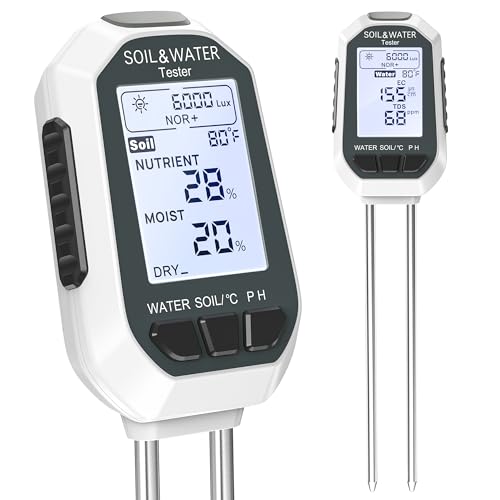
【7-in-1 Features】This is a 7-in-1 multi-function soil tester. Our soil tester quickly measures soil moisture, pH, temperature and light intensity, and its fertility function helps you take better care of your plants. With this device you can measure the soil moisture, pH, temperature and light intensity for your plants and with the EC and TDS functions you will know when it is time to water the soil.
Soil Quality
Soil quality directly affects lime tree growth and fruiting potential. Aim for well-draining, slightly acidic soil with a pH level between 5.5 and 6.5. This type of soil supports nutrient availability. Conduct a soil test to determine pH levels and amend them if necessary. Adding organic matter, like compost or aged manure, enhances soil nutrition and structure. It improves aeration, moisture retention, and fosters beneficial microorganisms, all vital for healthy roots.
Fertilization Practices
Fertilization practices ensure your lime tree gets essential nutrients. Use a balanced citrus fertilizer, typically high in nitrogen, phosphorus, and potassium, to promote healthy growth. Apply the fertilizer in early spring, following the package instructions for the recommended amount. Repeat this application every 6 to 8 weeks during the growing season. Monitor leaf color; dark green leaves indicate sufficient nitrogen, while pale leaves suggest a deficiency. Additionally, consider foliar feeding with a nutrient solution for quicker absorption, especially during flowering and fruit set.
By maintaining optimal soil quality and effective fertilization practices, you enhance your lime tree’s chances of producing abundant fruit.
Proper Care Techniques
Proper care is crucial for your lime tree to produce fruit. By implementing specific techniques for pruning, maintenance, and watering, you can significantly enhance fruit yield.
Pruning And Maintenance
Pruning encourages new growth and improves air circulation. Start by removing dead or damaged branches to promote healthy development. Ensure your tree maintains an open center to allow sunlight to penetrate all parts of the tree.
Prune your lime tree in late winter or early spring before new growth begins. Aim to cut approximately one-third of the tree’s growth. This technique helps stimulate flowering and subsequently fruiting. Regular maintenance includes checking for pests and diseases, as early intervention can save your tree from serious issues.
Watering Considerations
Watering plays a vital role in fruit production. Lime trees prefer consistent moisture, but avoid overwatering. The soil should remain slightly moist, not soggy.
Water deeply once or twice a week, depending on rainfall and temperature. In hotter months, increase to two or three times weekly. Check the soil’s top inch; if it feels dry, it’s time to water.
Consider using mulch around the tree’s base to retain moisture and regulate soil temperature. Aim for a 2-3 inch layer of organic mulch. This helps keep roots cool and reduces evaporation. Keeping your lime tree properly watered optimizes its health and boosts fruiting potential.
Conclusion
Getting your lime tree to produce fruit can feel like a puzzle. By focusing on the right conditions and care techniques you can set your tree up for success. Remember to keep an eye on temperature sunlight and soil quality. Regular pruning and pest management are essential too.
With a little patience and attention your lime tree can flourish and reward you with delicious fruit. Don’t get discouraged if it takes time. Each step you take brings you closer to enjoying the fruits of your labor. Happy gardening!
Frequently Asked Questions
Why isn’t my lime tree producing fruit?
A lime tree may fail to produce fruit due to several reasons, including inadequate sunlight, improper watering, and poor soil conditions. Ensure your tree receives at least 8 hours of sunlight daily and water it consistently but moderately. Additionally, the soil pH should be between 5.5 and 6.5.
What is the ideal temperature for a lime tree?
Lime trees thrive in temperatures ranging from 70°F to 85°F. Staying within this range is crucial for optimal growth and fruit production. Extreme temperatures can stress the tree and hinder fruit development.
How can I improve the soil for my lime tree?
To improve soil for lime trees, ensure it’s well-draining and slightly acidic, with a pH of 5.5 to 6.5. Conduct a soil test and consider adding organic matter like compost to enhance nutrients and structure.
How often should I water my lime tree?
Water your lime tree deeply once or twice a week, or more frequently in hot weather. The goal is to keep the soil slightly moist but not soggy, allowing roots to absorb water effectively.
What pests should I watch out for on lime trees?
Common pests that affect lime trees include aphids and spider mites. These pests can drain energy from the tree, affecting its ability to produce fruit. Regular inspections and treatments can help manage these issues.
When is the best time to prune a lime tree?
The best time to prune a lime tree is in late winter or early spring. Remove dead or damaged branches and thin the center of the tree to promote better sunlight penetration and airflow, which aids fruiting.
How often should I fertilize my lime tree?
Fertilize your lime tree every 6 to 8 weeks during the growing season, starting in early spring. Use a balanced citrus fertilizer that is high in nitrogen, phosphorus, and potassium to support healthy growth and fruit production.
Can multiple lime trees be planted together?
Yes, you can plant multiple lime trees together, but be sure to space them adequately to ensure good air circulation and sunlight access. This spacing helps reduce the risk of diseases and promotes better fruiting.
What diseases are common in lime trees?
Common diseases affecting lime trees include root rot and citrus greening. Regular inspections and proper care, such as good drainage and nutrient management, can help prevent these diseases and support healthy growth.
How does mulch help my lime tree?
Mulch helps retain soil moisture, regulate temperature, and suppress weeds around the base of your lime tree. Applying mulch can benefit overall tree health, leading to better fruiting potential.
