

Banana trees thrive in Mississippi with the right hardy varieties. Selecting the appropriate species ensures successful growth and fruit production in the region’s climate.
Hardy Banana Varieties for Mississippi Climate
In Mississippi’s unique climate, selecting the right banana varieties is crucial for successful cultivation. Hardy banana plants can withstand the region’s temperature fluctuations and humidity levels, making them ideal for local gardeners. This section explores the best options that thrive in Mississippi, ensuring a fruitful harvest for enthusiasts and growers alike.
Mississippi’s climate can be challenging for many plants, but certain banana varieties are well-suited for local conditions. Hardy varieties can withstand temperature fluctuations and occasional frost.
Choosing the right type is essential for successful cultivation. The most recommended varieties include:
Dwarf Cavendish
Blue Java
Musa Basjoo
These varieties are known for their resilience and adaptability, making them ideal for Mississippi gardeners.
Recommended Products
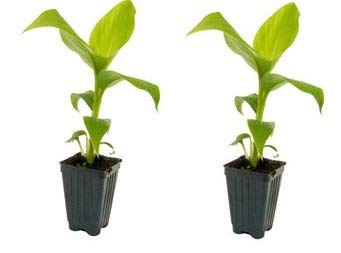
The most hardy of all Bananas!! Can go down to -20 if mulched properly. Can get up to 18 feet tall, rapid growth in hot weather Full Sun. Bananas are not edible, merely for looks! Exercise caution and use your best judgment before ordering during unusually hot or cold weather (below 32 degrees F, or in excess of 95F for shipping purposes), as these extremes may leave your plant vulnerable to damage.
![Greenwood Nursery: Live Perennial Plants - Musa Basjoo Cold Hardy Banana - [Qty: 2X Pint Pots] - (Click for Other Available Plants/Quantities)](https://m.media-amazon.com/images/I/51cl7jVVE3L._SL500_.jpg)
🌿 [INFO1] - Gives a tropical look to your garden. Grows from the Southern U.S. all the way to the southern part of Canada. A hardy Flowering Banana plant provides a tropical plant or jungle garden feel for pool landscapes, zen gardens and also makes an excellent container plant for porches, decks, patios & sunny areas of the house. The yellow orange flowers will produce small ornamental fruits that are not edible.
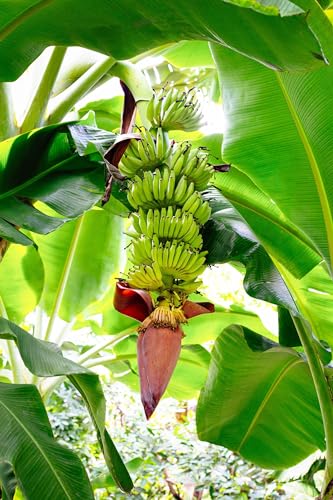
Live Plants for Planting 🌱 – Includes 4 rooted Musa basjoo banana plants, ready to plant in your garden or large pots.
Successful Growth Factors for Mississippi Bananas
Understanding the successful growth factors for banana trees in Mississippi is essential for cultivating these tropical plants in a subtropical climate. By examining soil conditions, climate adaptability, and the selection of hardy varieties, growers can optimize their chances of producing healthy banana plants that thrive in the unique environmental challenges of the region.
Several factors influence the growth of banana trees in Mississippi. Understanding these elements can help ensure a thriving garden. Key considerations include:
Soil Quality: Use well-draining, nutrient-rich soil.
Sunlight: Provide at least 6-8 hours of sunlight daily.
Watering: Maintain consistent moisture without waterlogging.
Fertilization: Apply a balanced fertilizer regularly.
By addressing these factors, gardeners can create an optimal environment for banana trees.
Optimal Soil Composition for Banana Trees
Understanding the optimal soil composition is crucial for successfully cultivating banana trees in Mississippi. The right blend of nutrients and drainage can significantly impact growth and fruit production. This section delves into the specific soil characteristics that support the health and vitality of hardy banana varieties in the region.
The right soil composition is crucial for banana trees. They prefer loamy soil with good drainage.
A soil pH of 5.5 to 7.0 is ideal. Incorporating organic matter like compost can enhance soil fertility.
Fertilization practices should include:
Early Spring: Apply a balanced fertilizer.
Mid-Summer: Use a high-potassium fertilizer to promote fruiting.
Fall: Reduce fertilization as the growing season ends.
| Fertilizer Type | Application Time | Purpose |
|---|---|---|
| Balanced Fertilizer | Early Spring | Initial growth |
| High-Potassium Fertilizer | Mid-Summer | Fruit development |
| Organic Matter | Year-Round | Soil health |
Pest Control Strategies for Banana Trees
Effective pest control is crucial for maintaining healthy banana trees in Mississippi, especially given the region’s unique climate and pest challenges. Implementing targeted strategies can help protect these hardy varieties from common threats, ensuring robust growth and fruitful yields. Understanding the specific pests and their management will empower growers to cultivate thriving banana plants.
Banana trees can be susceptible to pests and diseases. Regular monitoring and proactive management are essential. Common pests include:
Aphids
Spider Mites
Mealybugs
Preventive measures include:
Regular Inspections: Check for signs of infestation.
Insecticidal Soap: Use as needed for pest control.
Healthy Practices: Remove dead leaves and debris.
Diseases such as Panama disease can also affect banana trees. Planting resistant varieties and maintaining good hygiene practices can help mitigate risks.
Banana Tree Growth in Mississippi Climate
The climate of Mississippi presents unique challenges and opportunities for growing banana trees. Understanding how temperature, humidity, and soil conditions affect their growth is crucial for success. This section explores the specific environmental factors that influence banana tree cultivation in the region, highlighting the hardiness of certain varieties.
Mississippi’s climate varies, impacting banana tree growth. Understanding local weather patterns is vital for successful cultivation. Key adaptations include:
Microclimates: Utilize sheltered areas to protect trees from wind and frost.
Mulching: Apply mulch to retain soil moisture and regulate temperature.
Frost Protection: Use frost cloths or temporary structures during cold snaps.
These adaptations can significantly enhance the survival rate of banana trees in challenging conditions.
Optimal Harvest Timing for Mississippi Bananas
Understanding the optimal harvest timing for banana trees in Mississippi is crucial for maximizing yield and ensuring fruit quality. Given the unique climate conditions in the region, knowing when to harvest can make a significant difference in the success of hardy banana varieties. This section will explore the best practices and timing for harvesting bananas in Mississippi.
Proper harvesting techniques are crucial for maximizing yield. Bananas should be harvested when they are plump and the fruit begins to change color.
Follow these steps for optimal harvesting:
Timing: Harvest in the morning when temperatures are cooler.
Cutting: Use a sharp knife to cut the bunch from the plant.
Handling: Handle the fruit gently to avoid bruising.
After harvesting, allow bananas to ripen at room temperature. This method ensures the best flavor and texture.
Logistical Considerations for Banana Cultivation
When cultivating banana trees in Mississippi, understanding the logistical considerations is crucial for success. Factors such as climate adaptability, soil conditions, and irrigation methods play significant roles in ensuring healthy growth. By addressing these elements, growers can optimize their efforts and increase the yield of hardy banana varieties suited to the region.
Planning your banana cultivation requires logistical considerations. Assess available space, resources, and local climate conditions.
Consider the following logistics:
Spacing: Plant banana trees 8-10 feet apart to allow for growth.
Irrigation: Install a drip irrigation system for efficient watering.
Seasonal Planning: Prepare for seasonal changes in weather and adjust care routines accordingly.
By addressing these logistical factors, you can streamline the process of growing banana trees successfully in Mississippi.
Recommended Products
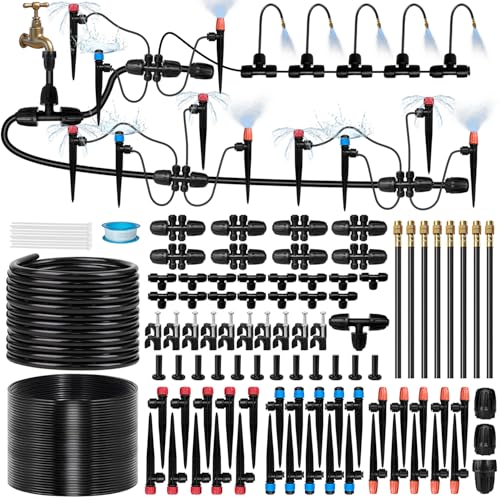
【Upgraded Tube Design & Water Saving】 Our garden watering system is upgraded to 1/2” diameter to support high water pressure. The 1/2” tee connector allows seamless splitting into 2 independent zones for customized watering schedules. By delivering moisture directly to root zones, this drip Irrigation system significantly reduces evaporation and runoff—saving more water compared to conventional sprinklers while eliminating the need for manual watering.

NO MORE HARD INSTALLATION - SET UP IN MINUTES. Tired of struggling with stiff barbed fittings? This drip irrigation system features quick-connect fittings that let you push, lock, and secure tubing effortlessly. No tools, no leaks, just a smooth setup experience. Enjoy a frustration-free installation and get your garden watering system running in minutes.
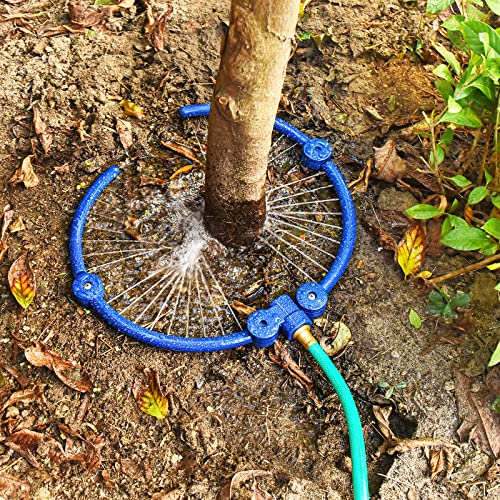
【Specially Designed for Trees and Shrubs】 The Watering Ring is a multi-purpose irrigation ring that attaches to a garden hose to efficiently water young trees shrubs vegetables or flower beds using drip or trickle irrigation.It directs water to the root perimeter of the plant to give them a good start during the first two growing seasons or through periods of drought.
