

Have you ever wondered which fruit trees thrive in the UK’s unique climate? Whether you’re dreaming of homegrown apples or juicy pears, knowing what trees to plant can make all the difference.
Key Takeaways
- Thriving Varieties: Popular fruit trees that grow well in the UK include apple, pear, cherry, plum, peach, and apricot, each with specific varieties suited for different climates and tastes.
- Optimal Conditions: Ensure soil is well-drained, fertile, and maintains a neutral pH (6.0-7.0) for the best fruit tree growth.
- Sunlight and Care: Position trees to receive at least six hours of sunlight daily; regular watering and annual pruning are essential for healthy growth and fruit production.
- Harvest Timing: Most fruit trees in the UK take three to five years to yield significant harvests; ideal planting time is late winter to early spring.
- Pest Management: Monitor for pests and diseases regularly, using natural predators and organic solutions to maintain a healthy fruit tree ecosystem.
- Seasonal Maintenance: Pruning should be done in late winter or early spring, while thinning out excess fruit can enhance size and quality during the growing season.
Overview of Fruit Trees in the UK
Fruit trees flourish across the UK thanks to its temperate climate and fertile soils. Knowing which types to plant can enhance your garden’s productivity.
Common Fruit Trees
- Apple Trees:
- Apple trees thrive in various UK regions.
- Varieties include Bramley, Cox, and Egremont Russet.
- Apples typically ripen from September to October.
- Pear Trees:
- Pear trees adapt well to cooler climates.
- Notable varieties are Conference and Williams.
- Pears usually harvest between late summer and autumn.
- Cherry Trees:
- Cherry trees require full sunlight and well-drained soil.
- Popular types include Sweet Cherry and Morello.
- Cherries typically mature in late June and July.
- Plum Trees:
- Plum trees grow well in various UK conditions.
- Common varieties are Victoria and Greengage.
- Plums usually ripen between August and September.
- Peach and Apricot Trees:
- Though less common, peach and apricot trees can thrive in sheltered spots.
- Varieties like Peach ‘Bonanza’ and Apricot ‘Tomcot’ work well.
- Expect fruit by late summer, around August.
Tips for Successful Growing
- Soil Preparation: Ensure soil is rich and well-drained. Test pH levels to seek a neutral range.
- Sun Exposure: Position trees where they receive at least six hours of sunlight daily.
- Watering: Regular watering encourages healthy growth, especially during dry spells.
- Pruning: Prune trees annually to promote air circulation and fruit development.
Questions to Consider
What’s the best time to plant fruit trees?
- Late winter to early spring is ideal, as it allows trees to establish roots before the growing season.
- Most fruit trees take three to five years to produce a significant harvest.
Focusing on the right varieties and providing proper care can lead to a successful fruit garden in the UK.
Popular Fruit Trees Grown in the UK
Various fruit trees thrive in the UK’s climate, providing you with a bountiful harvest year after year. Below are some popular choices you can consider for your garden.
Apple Trees
Apple trees grow well across the UK, with varieties suited for different tastes and uses. Popular varieties include:
- Bramley: Perfect for cooking due to its tart flavor.
- Cox: Known for its sweet and aromatic fruit.
- Fujis: Crisp and juicy, great for eating fresh.
Plant apple trees in a sunny spot with well-drained soil. They require regular watering, especially during dry spells. Pruning should occur in late winter to shape the tree and promote better fruit development.
Pear Trees
Pear trees also flourish in the UK, offering both dessert and cooking options. Recommended varieties include:
- Conference: Reliable and widely grown, with sweet, juicy flesh.
- Williams: Known for its succulent, sweet taste.
- Comice: Valued for its rich flavor and is often enjoyed fresh.
Select a location with full sun, and ensure the soil is fertile and well-drained. Water regularly to encourage healthy growth, and prune after harvesting to maintain shape and size.
Cherry Trees
Cherry trees provide beautiful blossoms in spring and delicious fruit in summer. Consider these popular varieties:
- Sweet Cherry: Ideal for fresh eating and known for its rich taste.
- Morello: A sour variety often used in cooking and preserves.
Cherries thrive in sunny spots with well-drained soil. Regular watering is crucial during dry periods, especially when the fruit is developing. Pruning should occur in mid-summer to manage growth and enhance fruit quality.
Plum Trees
Plum trees adapt well to the UK climate and produce juicy, vibrant fruits. Common types include:
- Victoria: A reliable choice, producing sweet and versatile fruit.
- Greengage: Renowned for its unique flavor and sweetness.
Choose a sunny location with slightly acidic, well-drained soil. Water consistently to support growth, especially in dry weather. Expert pruning after harvest helps maintain tree structure and encourages fruiting for the following year.
Growing Conditions for Fruit Trees
Growing fruit trees in the UK requires attention to specific conditions that support healthy development and fruitful yields. Key factors include soil quality and climate suitability.
Soil Requirements
Soil for fruit trees must drain well yet retain moisture. Aim for loamy soil enriched with organic matter. Adjust pH levels to fall between 6.0 and 7.0, which suits most fruit trees.
- Testing Soil: Use a home soil testing kit to determine pH and nutrient content.
- Improving Soil: Incorporate compost or well-rotted manure to enhance fertility and texture.
- Mulching: Apply a layer of mulch around the base to suppress weeds and retain moisture.
Climate Considerations
The UK climate varies, but most fruit trees thrive in regions with moderate temperatures and ample sunlight.
- Sunlight Needs: Ensure trees receive at least six hours of sunlight daily for optimal fruit production.
- Frost Protection: Plant in sheltered spots to protect trees from late frosts, especially early bloomers like cherries.
- Rainfall Requirements: Regular rainfall supports growth, but ensure good drainage to prevent root rot.
By paying attention to soil and climate conditions, you set a solid foundation for growing fruitful trees in your garden.
Care and Maintenance of Fruit Trees
Caring for fruit trees ensures healthy growth and optimal fruit production. Proper maintenance includes pruning, pest management, and nourishing the soil.
Recommended Products


UPGRAFE PROFESSIONAL GARDENING GRAFTING TOOLS: Professional grafting set, including 2 in 1 grafting pruning tools, 3 replaceable blades, a grafting knife, a pruning shears, a screwdriver, a wrench, 3 grafting films, and 45 colorful tag cards
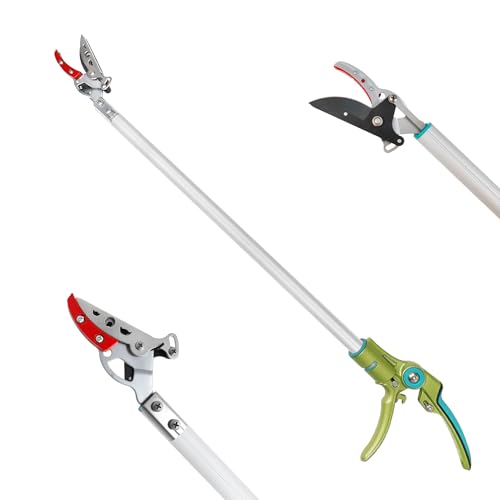
[REACH HIGH & STAY SAFE](No Ladder Required) Say goodbye to wobbly ladders! This 32inch long reach pole pruner offers an extra 30 inches of safe reach, allowing you to prune high branches or tall fruit trees while standing firmly on the ground. It’s the perfect extension tool for maintaining your backyard without the risk of falling.
Pruning Techniques
Pruning shapes trees, encourages growth, and removes dead or diseased branches. Focus on these techniques:
- Timing: Prune during late winter or early spring before new growth begins. This timing minimizes stress on the tree.
- Method: Use clean, sharp tools for clean cuts. Remove any branches that cross each other, grow inward, or are diseased.
- Shape: Aim for an open center to allow light penetration. This shape enhances fruit quality and airflow.
- Thinning: Thin out excess fruit during the season to improve size and quality. Leave enough space for developing fruits to grow healthy.
Pest and Disease Management
Protecting your fruit trees from pests and diseases is crucial. Implement these strategies:
- Monitoring: Regularly inspect trees for signs of pests, such as holes in leaves or sticky residue. Early detection leads to better management.
- Natural Predators: Encourage natural predators like ladybugs to control aphid populations. Attract them by planting companion flowers.
- Organic Solutions: Use insecticidal soap or neem oil to tackle pests effectively without harming beneficial insects. Apply according to label instructions.
- Disease Prevention: Promote good air circulation by spacing trees properly. Remove any fallen fruit or leaves to reduce the risk of fungal diseases.
- Resistance Varieties: Choose disease-resistant varieties where possible. This choice minimizes the likelihood of severe outbreaks.
Taking care of your fruit trees with these techniques enhances their health and productivity. Adjust your practices based on your specific varieties and local conditions for the best results.
Conclusion
Growing fruit trees in the UK can be a rewarding experience. With the right choices and care you can enjoy fresh, homegrown fruit right from your garden. Remember to consider the specific needs of each variety and pay attention to your local climate and soil conditions.
By nurturing your trees with proper watering pruning and pest management you’ll set yourself up for a bountiful harvest. Whether you choose classic apples and pears or venture into less common varieties like peaches and apricots your garden will flourish with a little patience and dedication. So grab your gardening tools and get ready to enjoy the fruits of your labor.
Frequently Asked Questions
What fruit trees grow well in the UK?
In the UK, popular fruit trees include apple varieties like Bramley and Cox, pear varieties such as Conference and Williams, cherry trees like Sweet Cherry and Morello, and plum trees like Victoria and Greengage. Less common options include peach and apricot trees. Choosing the right variety is crucial for successful home gardening.
When is the best time to plant fruit trees in the UK?
The ideal time to plant fruit trees in the UK is from late winter to early spring. This timing allows trees to establish their roots before the growing season, leading to better growth and fruit production.
How long does it take for fruit trees to bear fruit?
Most fruit trees take about three to five years to start producing a significant harvest. Factors like tree variety, care, and local growing conditions can affect the timeline for fruit production.
What are the soil requirements for fruit trees?
Fruit trees prefer well-draining, loamy soil enriched with organic matter, with a pH level between 6.0 and 7.0. Conducting a soil test can help assess its quality, and adding compost or well-rotted manure can improve fertility.
How much sunlight do fruit trees need?
Fruit trees generally require at least six hours of sunlight each day to thrive and produce fruit. Planting them in sunny, sheltered spots can help protect against frost and promote healthy growth.
What are some tips for caring for fruit trees?
To care for fruit trees effectively, focus on proper watering, regular pruning, and monitoring for pests and diseases. Use mulch to retain moisture, shape the trees during pruning to enhance airflow, and encourage natural predators for pest control.
How can I manage pests and diseases in fruit trees?
Managing pests and diseases involves regular monitoring of the trees and their environment. You can use organic solutions and promote good air circulation to prevent issues, along with encouraging natural predators in your garden.
Why is soil quality important for fruit tree growth?
Soil quality is crucial for fruit tree growth as it affects nutrient availability, water retention, and root development. Well-draining and fertile soil promotes healthy trees and better yields, while poor soil can lead to stunted growth and low fruit production.
