

Have you ever dreamed of biting into a juicy cherry straight from your own tree? If you’re thinking about planting one, you might be wondering how long it’ll take before you can enjoy that sweet reward. It’s a common question for new gardeners eager to reap the benefits of their hard work.
Key Takeaways
- Type Matters: Sweet cherry trees generally take 4 to 7 years to bear fruit, while sour varieties may produce within 3 to 5 years. Choose the type based on your preferences and climate.
- Optimal Growing Conditions: Cherry trees require full sun (6-8 hours daily), well-draining soil (pH 6.0-7.0), and regular deep watering to promote healthy growth and fruit production.
- Lifecycle Stages: Expect cherries to start flowering around 3 to 7 years after planting, with full production occurring in the years that follow, yielding substantial fruit harvests.
- Influencing Factors: Age, environmental conditions (sunlight, soil quality, watering, and temperature), and tree care all significantly impact how quickly your cherry tree will produce fruit.
- Care and Maintenance: Proper practices, such as deep watering weekly, regular pruning, mulching, and pest monitoring, are essential in encouraging fruit production in cherry trees.
- Fertilization Techniques: Conduct soil testing, maintain a balanced nutrient profile, and apply fertilizers in early spring to support the health and productivity of your cherry tree.
Understanding Cherry Trees
Cherry trees provide delightful blooms and delicious fruits. Knowing the types of cherry trees and their growing conditions helps you cultivate a fruitful garden.
Types of Cherry Trees
Cherry trees typically fall into two main categories: sweet and sour.
- Sweet Cherry Trees: Varieties include Bing, Rainier, and Lambert. These trees produce large, juicy fruits perfect for fresh eating. Sweet cherries usually take 4 to 7 years to bear fruit.
- Sour Cherry Trees: Varieties like Montmorency and Evans are popular for pies and preserves. Sour cherries may bear fruit in about 3 to 5 years.
Selecting the right type based on your taste preferences and climate is essential for success.
Growing Conditions
Cherry trees thrive in specific conditions that promote healthy growth and fruit production.
- Sunlight: Cherry trees need full sun, about 6 to 8 hours per day. This exposure ensures robust growth and sweet fruit development.
- Soil: Well-draining soil is crucial. Look for sandy or loamy soil with a pH between 6.0 and 7.0. Amending heavy clay soil can improve drainage.
- Water: Regular watering is necessary, especially during dry spells. Aim for deep watering techniques rather than frequent shallow watering to encourage strong root systems.
- Space: Proper spacing allows air circulation and helps mitigate disease. For standard trees, plant them 25 to 30 feet apart; dwarf varieties can be planted 10 to 15 feet apart.
By focusing on these conditions, you can optimize your cherry tree’s growth and enjoy the fruits of your labor.
Lifecycle of a Cherry Tree
Understanding the lifecycle of a cherry tree helps you anticipate when it’ll start producing fruit. The journey from planting to harvest involves several key phases.
Planting a Cherry Tree
Select a suitable site for your cherry tree, as it thrives in full sunlight and well-draining soil.
- Choose the Right Time: Plant during early spring or fall to promote growth.
- Dig a Hole: Ensure your hole is twice as wide as the root ball but no deeper.
- Position the Tree: Place the tree in the center of the hole. Adjust the soil level so the root flare sits above ground.
- Fill and Water: Backfill the hole with soil, tamp it down gently, and water thoroughly to eliminate air pockets.
Ensure you space cherry trees at least 20 to 30 feet apart for optimal air circulation and sunlight exposure.
Growth Stages
The growth stages of a cherry tree unfold over several years.
- Germination (0-1 Year): Seeds or grafted trees establish their root systems. Minimal growth is visible above the ground.
- Young Tree (1-3 Years): The tree focuses on developing strong branches and leaves. At this stage, it won’t produce fruit.
- Maturing Tree (3-7 Years): Your cherry tree starts to flower. Sour varieties may bear fruit by year three, while sweet types take longer.
- Full Production (7+ Years): Expect a robust harvest during this phase. Trees can yield 30 to 50 pounds of fruit per season, depending on type and care.
Monitoring your tree during these stages ensures you’re prepared for the first blossoms and eventual fruit.
Factors Affecting Fruit Production
Several factors determine how quickly a cherry tree produces fruit. Understanding these elements ensures you can cultivate a healthy tree that bears fruit sooner.
Recommended Products
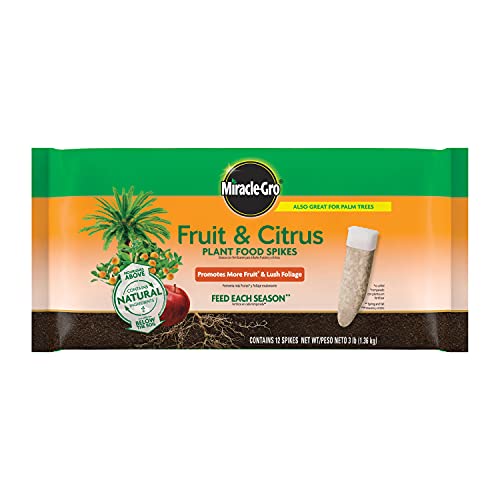
FORMULATED FOR CITRUS AND FRUIT TREES: Use these citrus fertilizer spikes on apple, orange, lemon, lime, and avocado trees; this formula is also great for feeding palm trees

Supports Strong Growth & Better Fruit Development - Helps promote vigorous growth, healthy foliage, and improved cherry production.

🌱 Strengthen CHERRY TREE Stalks & Prevent Breakage: Our silica formula reinforces plant cell walls, making stems and branches thick, tough, and resistant to breakage. Perfect for cherry tree plants.
Age of the Tree
The age of the tree significantly influences fruit production. Most cherry trees start bearing fruit around the age of 3 to 7 years. While sour varieties like Montmorency may produce within 3 to 5 years, sweet varieties such as Bing and Rainier generally take longer, about 4 to 7 years. Choosing a younger grafted tree often leads to quicker fruiting, as these trees tend to establish faster than seeds or older trees.
Environmental Conditions
Optimal environmental conditions are essential for healthy fruit production. Key factors include:
- Sunlight: Cherry trees thrive in full sun, requiring at least 6 to 8 hours of direct sunlight each day. Insufficient sunlight slows growth and delays fruiting.
- Soil Quality: Well-draining, fertile soil promotes healthy root systems. Testing pH levels and ensuring a range of 6.0 to 7.0 provides the best conditions for growth.
- Watering: Regular deep watering, especially during dry spells, supports healthy development. This practice promotes robust growth and encourages timely fruit production.
- Temperature: Cherry trees prefer temperate climates. Maintaining consistent temperatures between 70°F and 80°F during the growing season enhances flowering and fruit set.
By addressing these factors, you improve the chances of enjoying a bountiful cherry harvest in a shorter time.
The Timeline for Fruit Production
Cherry trees require patience before they reward you with fruit. Understanding their growth stages and timelines helps manage your expectations.
Recommended Products

Sweet Fruit - Produces large, deep red Bing cherries known for their rich, sweet flavor and firm, juicy texture.
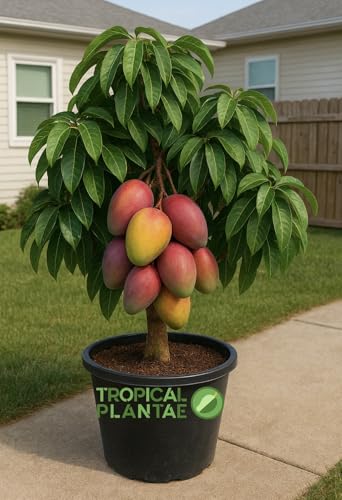
Imagine stepping into your backyard a few months from now and seeing a beautiful grafted Haden mango tree, growing stronger every day — a tree that will soon reward you with one of the most classic, flavorful mangoes ever grown.

GRAFTED FRUITING TREE: Russian pomegranate plant is propagated from mature fruit producing stock instead of seed grown material for stronger growth habits and earlier fruiting potential
Initial Growth Period
The initial growth period for cherry trees lasts about 3 years. During this time, trees establish strong root systems. Grafted cherry trees usually grow faster than seed-grown trees. You’ll see branches forming and leaves developing as the tree matures. Proper care during these years is crucial. Provide full sunlight, ample watering, and the right soil conditions to promote healthy growth.
Time Until First Fruits Appear
You can expect the first fruits to appear between 3 to 7 years after planting. Sour cherry varieties, like Montmorency, may produce earlier at around 3 to 5 years. Sweet varieties, such as Bing and Rainier, typically take longer, around 4 to 7 years. Factors like tree variety, climate, and care practices influence timing. Younger grafted trees often yield fruit sooner than older, seed-grown trees.
Monitoring your tree during its development helps you prepare for those first blooms and eventual harvests. Ensuring consistent care can lead to a bountiful cherry crop when the time comes.
Tips for Encouraging Fruit Production
Encouraging fruit production in cherry trees involves proper care and maintenance, along with effective fertilization techniques. These practices promote healthy growth and ultimately lead to a bountiful harvest.
Recommended Products

Package contains 9 tree and shrub fertilizer spikes and are produced to avoid wasteful runoff, mess, hazards and smells

LASTING COLOR: Miracle-Gro Tree & Shrub Plant Food Spikes are fertilizer spikes for trees and shrubs; they promote vibrant color and foliage for trees and shrubs in your yard

CONTINUOUS RELEASE NUTRITION: Osmocote Smart-Release Plant Food Plus Outdoor & Indoor1 granular fertilizer contains 11 essential nutrients and feeds live plants up to 6 full months
Proper Care and Maintenance
Ensuring proper care and maintenance is crucial for your cherry tree’s success. Follow these key practices:
- Watering: Water your cherry tree deeply once a week, especially during dry spells. This encourages deep root growth.
- Pruning: Prune your cherry tree in late winter or early spring. Focus on removing dead or crossing branches to improve air circulation and sunlight exposure.
- Mulching: Apply a layer of mulch around the base of the tree. Use organic materials like wood chips or straw to retain moisture and suppress weeds.
- Pest Control: Monitor your tree for pests, such as aphids and spider mites. Use insecticidal soap or neem oil if you spot any infestations early.
Fertilization Techniques
Proper fertilization boosts your cherry tree’s health and productivity. Implement these techniques:
- Soil Testing: Test your soil before applying fertilizer. Aim for a pH of 6.0 to 7.0. Adjust soil with amendments as needed to create an optimal environment.
- Nutrient Balance: Use a balanced fertilizer with equal parts nitrogen, phosphorus, and potassium (N-P-K). Apply a slow-release fertilizer in early spring for sustained nutrient delivery.
- Application Timing: Fertilize in early spring as new growth begins. Avoid fertilizing in late summer to prevent new growth that may not harden before winter.
- Monitoring: Observe your tree’s response to fertilizers. Adjust quantities based on growth vigor and leaf coloration. It’s better to under-fertilize than over-fertilize.
By following these tips for caring for and fertilizing your cherry tree, you encourage healthy growth and increase your chances of enjoying delicious fruit within a few years.
Conclusion
Growing a cherry tree is a rewarding journey that requires a bit of patience and care. Whether you choose sweet or sour varieties you can look forward to the first fruits appearing in just a few years. By providing optimal conditions and following the right care practices you’ll set the stage for a fruitful harvest.
Remember that every tree is unique and will thrive in its own time. Enjoy the process of watching your tree grow and blossom while anticipating the delicious cherries that await. With a little love and attention your cherry tree will bring joy and fresh fruit to your garden for years to come.
Frequently Asked Questions
How long does it take for a cherry tree to bear fruit?
Most cherry trees start bearing fruit between 3 to 7 years after planting. Sour varieties like Montmorency may produce sooner, typically in 3 to 5 years, while sweet varieties like Bing or Rainier usually take 4 to 7 years.
What are the best conditions for growing cherry trees?
Cherry trees thrive in full sunlight, requiring at least 6 to 8 hours of direct light daily. They need well-draining, fertile soil with a pH of 6.0 to 7.0, regular deep watering, and consistent temperatures between 70°F and 80°F during the growing season.
When is the best time to plant a cherry tree?
The optimal times for planting cherry trees are early spring or fall. This timing allows the trees to establish strong root systems before facing harsher weather conditions.
How can I encourage my cherry tree to produce fruit?
To promote fruit production, ensure regular deep watering, prune in late winter or early spring for air circulation, apply organic mulch, and monitor for pests. Testing soil pH and using a balanced fertilizer in early spring can also help.
What are the different types of cherry trees?
Cherry trees are categorized into sweet and sour varieties. Sweet types include Bing and Rainier, while sour types consist of Montmorency. Each has different growth and fruiting timelines, so choose based on personal taste and climate.
