

Do you ever wonder where those sweet, juicy honeydew melons on your plate come from? Picture this: you’re strolling through the produce section, eyeing the vibrant fruits, and suddenly, your gaze lands on those tempting honeydew melons. But have you ever stopped to think about their origin?
In this article, we’ll uncover the secrets behind where honeydew melons grow and how they make their way to your local grocery store. By understanding their growth process and ideal conditions for cultivation, you’ll gain a newfound appreciation for these delicious fruits.
Key Takeaways
- Honeydew melons have a historical origin tracing back to ancient Persia, now Iran, and are cultivated in warm climates like California, Spain, Italy, and France.
- Ideal temperature conditions for growing honeydew melons range between 70°F to 90°F during the day and above 60°F at night with proper drainage to avoid root rot.
- Major honeydew producing countries include the United States (California) along with Spain, Italy, and France known for top-grade fruits due to precision farming techniques.
- Agricultural practices for successful honeydew cultivation involve starting with well-draining soil rich in organic matter, maintaining soil fertility through compost or fertilizers, and harvesting when fruits reach a creamy yellow hue.
The Origins of Honeydew Melons
Honeydew melons have a fascinating history that traces back to ancient times. Understanding the historical context and native regions where these delectable fruits originate can deepen your appreciation for their journey from farm to table.
Historical Context
Explore the rich history of honeydew melons, believed to have originated in ancient Persia, now known as Iran. These fruits were highly prized by Egyptian royalty and were even found depicted in ancient hieroglyphics. Over time, honeydew melons spread across continents, becoming a beloved fruit in various cultures.
Native Regions
Honeydew melons thrive in warm climates with plenty of sunshine, making regions like California in the United States, Spain, Italy, and France ideal for their cultivation. These areas provide the perfect conditions—abundant sunlight, well-drained soil, and consistent warmth—for honeydew melons to grow sweet and succulent.
By exploring the historical roots and native regions of honeydew melons, you gain a deeper understanding of these luscious fruits’ origins and the optimal environments that contribute to their delicious flavor profile.
Climatic Requirements for Growing Honeydew Melons
When it comes to cultivating honeydew melons, understanding the climatic conditions they thrive in is crucial. Here’s what you need to know:
Recommended Products

Package contains 10 Honeydew Earli-Dew Hybrid Melon Seeds
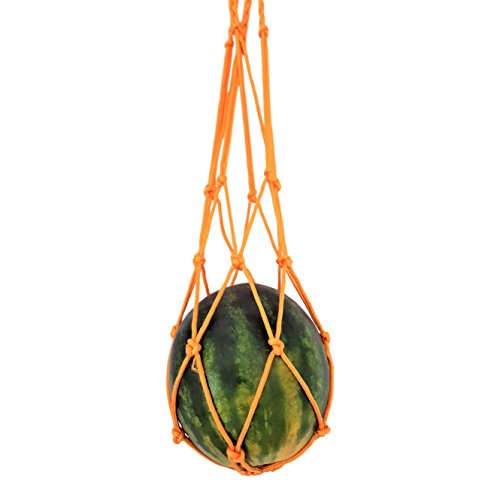
Melon Nets allow you to keep fruits far off the ground away from Hungry rodents and bugs

TRUSTED VARIETY - Popular honeydew seeds used by gardeners for years. Yellow/Tan rind at maturity with a beautiful green colored flesh.
Temperature Preferences
Honeydew melons prefer warm temperatures for optimal growth. They thrive in temperatures between 70°F and 90°F (21°C – 32°C) during the day. At night, they can tolerate slightly cooler temperatures but should ideally be above 60°F (15°C) to avoid any stress on the plants. Consistent warmth is key to ensuring healthy growth and sweet fruit development.
Rainfall and Irrigation Needs
While honeydew melons require a significant amount of water, proper drainage is essential to prevent waterlogged soil, which can lead to root rot. In general, these melons need about 1-2 inches of water per week, either from rainfall or irrigation. It’s important to water them deeply but infrequently to encourage deep root growth and prevent shallow roots.
By providing the right temperature conditions and managing their water needs effectively, you can successfully grow delicious honeydew melons in your garden or farm.
Major Honeydew Producing Countries
When it comes to honeydew melon production, certain countries stand out for their significant contributions to the global market. Let’s take a closer look at some of the major honeydew producing nations and their impact on this delicious fruit.
Recommended Products

Beautiful - Large individual packet of Green Honeydew Melon (Cucumis melo) seeds. Grow an abundant harvest of sweet melons. Each plant grows vigorously and produces 2-4 melons. Minimum of 1.5g per packet (about 50 seeds).
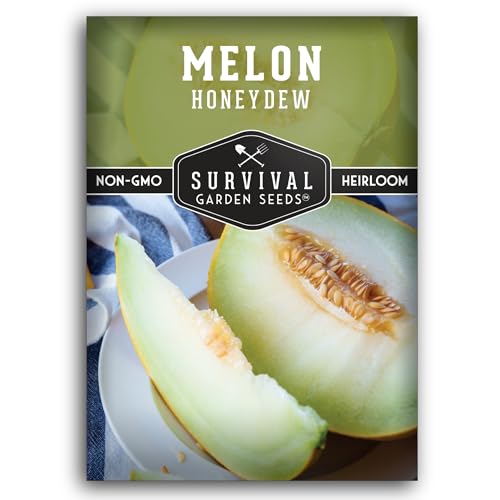
REFRESHINGLY SWEET MELONS – Classic honeydew flavor with smooth light green flesh that’s juicy and fragrant for sweet summer enjoyment straight from your own home garden vines
Packaged for envelope delivery.
Production in the United States
In the United States, California leads the way in honeydew melon cultivation. The warm climate and fertile soil in states like California provide ideal conditions for growing these juicy fruits. You’ll find vast honeydew farms across regions like the Central Valley, where farmers leverage advanced agricultural practices to ensure high-quality yields.
Global Leaders in Honeydew Cultivation
Beyond the borders of the US, countries like Spain, Italy, and France are known as global leaders in honeydew melon production. These European nations have mastered the art of cultivating honeydews, utilizing their expertise to produce top-grade fruits that satisfy both domestic and international demand. With a focus on precision farming techniques and sustainable practices, these countries continue to play a vital role in meeting worldwide honeydew requirements.
Agricultural Practices for Honeydew Melons
To ensure successful cultivation of honeydew melons, specific agricultural practices need to be followed. Here are essential aspects to consider:
Recommended Products

Kindly NOTE: This soil tester can not be applied to test pH value of any other liquid. If the soil is too dry the indicator will not move, and water it before testing.

Accurate Soil pH Testing: Dewildetradingco Soil pH Test Strips offer measurements of soil pH levels (pH 3.5-9). As an essential tool for every gardener and grower, these test strips help determine the optimal pH for various plants, such as outdoor plants, indoor plants, gardens, grass lawns, fruit trees, flowers, vegetables, and forest shrubs.

KNOW BEFORE YOU GROW | Grow the healthiest, sustainable lawn and garden with the most accurate and easy to use professional soil test kit on the market
Soil Preparation and Maintenance
When cultivating honeydew melons, it’s crucial to start with well-draining soil rich in organic matter. Loamy soils are optimal for growth, providing the necessary balance of drainage and moisture retention. Regularly testing the soil pH levels is important; honeydew melons thrive in slightly acidic conditions with a pH range between 6.0 and 6.5.
Maintaining soil fertility is key to healthy plant development. Incorporate compost or well-balanced fertilizers before planting to provide essential nutrients for robust growth. Additionally, mulching around the plants helps retain moisture, suppress weeds, and regulate soil temperature throughout the growing season.
Harvesting Techniques
Knowing when and how to harvest honeydew melons is critical to ensure peak flavor and quality. One indicator of ripeness is the color change of the fruit from green to a creamy yellow hue; however, this may vary depending on the variety cultivated.
To harvest honeydew melons, gently twist or cut them from the vine using pruners or a sharp knife while leaving a small portion of the stem attached to prolong shelf life. Avoid picking fruits too early as they will not ripen off the vine like some other fruits do.
Conclusion
You’ve now explored the fascinating journey of honeydew melons, from their ancient roots in Persia to their cultivation across countries like California, Spain, Italy, and France. Understanding the historical background and ideal growing conditions is key to appreciating the unique flavors these melons offer. By learning about the climatic needs and agricultural practices involved in honeydew production, you’ve gained insight into the meticulous care required for a successful harvest. Whether it’s the precision farming techniques in Europe or California’s prominent role in honeydew cultivation, each region contributes to the global supply of these delicious fruits. Remember, next time you enjoy a juicy honeydew melon, think about the dedicated efforts that go into bringing this sweet treat from farm to table.
Frequently Asked Questions
1. Where do honeydew melons originate from?
Honeydew melons originated in ancient Persia and have spread to countries like California, Spain, Italy, and France.
2. What are the climatic requirements for cultivating honeydew melons?
Successful cultivation of honeydew melons requires warm temperatures, proper drainage, irrigation, and temperature management.
3. Which countries are major producers of honeydew melons?
California plays a leading role in the United States as a major producer of honeydew melons. Spain, Italy, and France are also significant producers.
4. What are some precision farming techniques used in honeydew production?
Precision farming techniques are employed by Spain, Italy, and France to enhance honeydew production efficiency and quality.
5. What are essential agricultural practices for growing high-quality honeydew melons?
Key agricultural practices include soil preparation, maintenance, soil fertility management, and adopting proper harvesting techniques for peak flavor and quality.
