
Close Menu
    Fruit Tree Hub
    • Home
    • Apple Trees
    • Lemon Trees
    • Mango Trees
    • Orange Trees
    • More Trees
      • Best Fruit Trees
      • Apricot Trees
      • Cherry Trees
      • Fig Trees
      • Lime Trees
      • Mulberry Trees
      • Peach Trees
      • Pear Trees
      • Plum Trees
      • Pomegranate Trees
    • Tips and Advice
      • Tools
    • About Us
      • Contact
      • Privacy Policy
    Fruit Tree Hub
    Home»Fruit Trees»Persimmon Trees»Why Do Persimmon Trees Have a Long Harvest Season
    Persimmon Trees

    Why Do Persimmon Trees Have a Long Harvest Season

    Lucy SmithBy Lucy SmithFebruary 10, 20245 Mins Read
    Share Facebook Twitter Pinterest WhatsApp Email
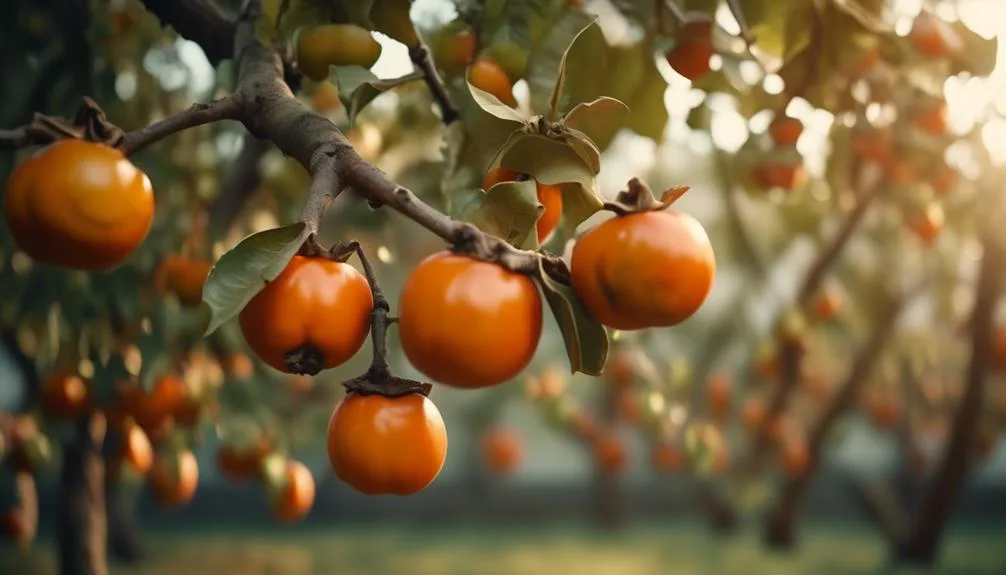
    extended harvest season persimmons
    Share
    Facebook Twitter LinkedIn Pinterest Telegram Email

    Persimmon trees can bear fruit for up to 50 years, leading to a prolonged harvest season. Various factors, like environmental adaptations and differences in harvest times for different varieties, contribute to this extended yield.

    Contents show
    1 Key Takeaways
    2 Unique Environmental Adaptations
    3 Extended Ripening Process
    4 Varietal Differences in Harvest Time
    5 Climate and Growing Conditions
    6 Harvesting Techniques and Best Practices
    7 Conclusion

    The reasons behind persimmon trees' long harvest season are just as diverse as the fruit itself. Let's take a closer look at what sets persimmon trees apart and why their harvest season seems to stretch on and on.

    Key Takeaways

    • Persimmon trees can adapt to various environmental conditions, including different soil types and climates.
    • The extended ripening process of persimmons creates a prolonged period of enjoyment and allows for a mix of vibrant colors.
    • Different persimmon varieties have varying harvest times due to genetic variations and regional influences.
    • Proper harvesting techniques, such as picking the fruit when fully colored and slightly soft, contribute to a successful and prolonged harvest season.

    Unique Environmental Adaptations

    One of the most fascinating aspects of persimmon trees is their ability to adapt to a wide range of environmental conditions, making them a resilient and enduring species in the natural world.

    These trees have developed remarkable adaptation strategies to thrive in various ecological influences. For instance, they can tolerate a wide range of soil types, from sandy loam to heavy clay, and are resistant to drought once they're established.

    Their ability to withstand diverse climates, from temperate to subtropical regions, showcases their remarkable adaptability.

    Additionally, persimmon trees have evolved to attract specific pollinators, such as bees and wasps, ensuring their reproduction even in challenging environments.

    MUST READ
    How to Create a Persimmon Tree Orchard

    This unique adaptability not only allows persimmon trees to survive, but also to flourish in a multitude of ecological settings.

    Extended Ripening Process

    Amidst their exceptional environmental adaptability, persimmon trees also captivate with their extended ripening process, a remarkable feature that sets them apart in the realm of fruit-bearing trees.

    As you marvel at the unique fruit characteristics of persimmons, their extended ripening process adds an element of anticipation and wonder to the seasonal changes in the orchard. Here's what makes it so captivating:

    • The extended ripening process of persimmons creates a prolonged period of enjoyment, allowing you to savor the anticipation of each fruit reaching its peak sweetness.
    • This gradual ripening not only extends the harvest season but also provides a continuous visual delight, as the trees showcase a stunning mix of colors from vibrant greens to rich oranges.

    This unique ripening process truly enhances the experience of indulging in nature's bountiful harvest.

    Varietal Differences in Harvest Time

    With persimmon trees offering a diverse range of varieties, the differences in harvest time among these cultivars provide an intriguing insight into the distinct flavors and textures available to discerning fruit enthusiasts.

    Genetic variations play a crucial role in determining when different persimmon varieties reach maturity. Some cultivars are genetically predisposed to ripen earlier in the season, while others may take longer to reach peak ripeness.

    Regional influences also contribute to varietal differences in harvest time. Factors such as climate, temperature, and soil composition impact the maturation process of persimmons, leading to varying harvest times across different geographical areas.

    MUST READ
    How to Use Persimmon Trees in Landscape Design

    Understanding these variances allows for a prolonged enjoyment of persimmons as you can savor the unique characteristics each variety offers throughout the extended harvest season.

    Climate and Growing Conditions

    Climate and growing conditions significantly influence the maturation process of persimmon trees, shaping the flavors and textures of the fruit as well as determining the timing of the harvest. The soil composition plays a crucial role in providing essential nutrients, affecting the overall quality of the persimmons.

    The temperature, on the other hand, influences the rate of tree growth and fruit development. Adequate sunlight exposure is imperative for the trees to thrive and produce bountiful harvests, while precipitation levels impact the water supply, vital for fruit development.

    Understanding the intricate balance of these elements is essential in cultivating persimmon trees that yield delectable, succulent fruits. It's fascinating how nature orchestrates such a symphony of factors to produce the perfect persimmons for you to savor.

    Harvesting Techniques and Best Practices

    The careful balance of climate and growing conditions not only shapes the flavors and textures of persimmons but also sets the stage for employing precise harvesting techniques and best practices to ensure a bountiful and high-quality yield.

    When it comes to harvesting persimmons, timing is crucial. Wait until the fruit is fully colored and slightly soft before picking, as they won't ripen further off the tree. Gently twist the fruit from the tree, being careful not to damage the delicate skin.

    To preserve the fruit, handle them with care to avoid bruising and store them in a cool, dry place. Additionally, regular tree maintenance, such as pruning to allow sunlight to reach the fruit and proper irrigation, will contribute to a successful harvest season.

    MUST READ
    How to Deal With Persimmon Tree Root Issues

    These techniques and practices are essential for maintaining the quality and flavor of persimmons.

    Recommended Products

    VIVOSUN 6.5 Inch Gardening Scissors Hand Pruner Pruning Shear with Straight Stainless Steel Blades Orange 1-Pack
    VIVOSUN 6.5 Inch Gardening Scissors Hand Pruner Pruning Shear with Straight Stainless Steel Blades Orange 1-Pack

    Reduce Hand Strain: These micro tip snips are made to reduces hand fatigue which makes them great for those with arthritis, carpal tunnel, hand or wrist issues; Comfortable “grip” handles will make it easy to work for long-time use without making you feel hand pain

    VIEW LATEST PRICE

    As an affiliate, we earn on qualifying purchases.

    Fiskars Bypass Pruning Shears, 5/8" Cut Capacity Gardening Scissors, Self-Cleaning Sap Groove Prevents Sticking, Non-Slip Grip for Cutting Stems & Branches, Sharp Steel Blades w/ Low-Friction Coating
    Fiskars Bypass Pruning Shears, 5/8" Cut Capacity Gardening Scissors, Self-Cleaning Sap Groove Prevents Sticking, Non-Slip Grip for Cutting Stems & Branches, Sharp Steel Blades w/ Low-Friction Coating

    CLEAN CUTS FOR LIVE GROWTH: Bypass blade design is ideal for pruning delicate flower stems and green growth, helping reduce crushing and plant damage while cutting stems and small branches up to 5/8” in diameter

    VIEW LATEST PRICE

    As an affiliate, we earn on qualifying purchases.

    2-Pack Stainless Steel Gardening Scissors, Pruning Shears and Clippers for Gardening
    2-Pack Stainless Steel Gardening Scissors, Pruning Shears and Clippers for Gardening

    DUAL CUTTING POWER: VERSATILE PRUNING COMBO --- With both Pruning Shears and Pruning Snip, this combo delivers unmatched versatility. Whether you're delicately trimming flowers and shrubs, tackling thicker tree branches, or tending to your vegetable and fruit garden, our combo pack excels in all areas. They're also perfect for landscaping projects and maintaining the health and appearance of indoor plants. With this pack, you have a versatile tool that simplifies your gardening tasks.

    VIEW LATEST PRICE

    As an affiliate, we earn on qualifying purchases.

    MUST READ
    Can Persimmon Trees Survive in Wet Soil

    Conclusion

    In essence, the long harvest season of persimmons is a result of their unique environmental adaptations, extended ripening process, varietal differences, climate and growing conditions, and harvesting techniques.

    These factors collectively contribute to the extended enjoyment of this delicious fruit. It's a testament to nature's intricacies and the art of fruit cultivation, allowing us to savor the flavors of persimmons for an extended period.

    So, the next time you indulge in a succulent persimmon, appreciate the harmony of nature and human effort that brings this fruit to your table.

    Share. Facebook Twitter Pinterest LinkedIn Tumblr Email
    lucy smith
    Lucy Smith
    • Website

    Lucy Smith is a highly experienced horticulturist with a passion for fruit tree cultivation. She holds a degree in Horticulture from the University of California, Davis, and has worked in various roles in the industry. With over 10 years of experience, Lucy is dedicated to using eco-friendly methods for sustainable gardening practices.

    Related Posts

    Why Do Persimmon Trees Have Distinctive Bark

    February 12, 2024

    Can Persimmon Trees Adapt to Climate Change

    February 12, 2024

    Creating a Wildlife Habitat With Persimmon Trees

    February 12, 2024

    Where Are Persimmon Trees Considered Invasive

    February 12, 2024

    Is Persimmon Tree Pollen Allergenic

    February 11, 2024

    Can Persimmon Trees Be Used in Herbal Teas

    February 11, 2024
    Leave A Reply Cancel Reply

    Affiliate Disclosure

    As an Amazon Associate I earn from qualifying purchases.

    Recommended Reading

    How to get rid of bugs on plum trees?

    How to Plant Fruit Trees in the Fall for a Thriving Harvest Next Spring

    How to Use Persimmon Trees in Landscape Design

    Do Bonsai Trees Give Fruit and How to Care for Them to Maximize Yield

    Growing Cold Hardy Kiwi: Essential Tips for Success

    Plant Thornless Blackberries Successfully: Tips for a Hassle-Free Harvest

    The Best Organic Fertilizers for Olive Trees

    Lime Trees in Fort Worth, TX: Heat-Resistant Success Tips

    How to Grow Fig Trees in Florida: Subtropical Success Guide

    Can You Use Preen Around Fruit Trees Safely for Effective Weed Control and Healthy Growth

    Fruit Tree Hub

    Fruit Tree Hub is a website dedicated to providing you everything you need to grow fruit trees successfully at in your own yard.

    Contact us at: [email protected]

    - AFFILIATE DISCLOSURE: As an Amazon Associate I earn from qualifying purchases.

    Latest Posts

    Jujube Trees in Kansas: Heat and Wind Survival Secrets

    Can Plum Trees Grow in Pennsylvania? Keystone State Tips

    Best Persimmon Trees for Florida: Subtropical Growth Strategies

    Can Tangerine Trees Grow in a Pot in Houston, TX? Humidity Tips

    Growing Mulberry Trees in Hawaii (Tropical Harvest Secrets)

    Can Nectarine Trees Grow in North Dakota? Extreme Cold Survival

    Pomegranate Trees in Oregon (PNW Climate and Soil Manual)

    Lime Trees in Buffalo, NY: Lake Effect Survival Guide

    Categories
    • Almond Trees
    • Apple Trees
    • Apricot Trees
    • Best Fruit Trees
    • Blackberry
    • Cantaloupe
    • Cherry Trees
    • Crochet Ideas
    • Crochet Ideas for Beginners
    • Cucamelon
    • Easy Crochet Ideas
    • Easy Knitting Projects
    • Fig Trees
    • Grapefruit Trees
    • Grapes
    • Guava Trees
    • Honeydew
    • Jujube Trees
    • Kiwi
    • Knitting For Beginners
    • Knitting Ideas
    • Knitting Inspiration
    • Lemon Trees
    • Lime Trees
    • Loquat Trees
    • Mango Trees
    • Mulberry Trees
    • Nectarine Trees
    • Olive Trees
    • Orange Trees
    • Papaya Trees
    • Peach Trees
    • Pear Trees
    • Persimmon Trees
    • Planting
    • Plum Trees
    • Pomegranate Trees
    • Quince Trees
    • Raspberry
    • Reviews
    • Small Crochet Ideas
    • Star Fruit Trees
    • Summer Crochet Ideas
    • Tamarind Trees
    • Tangerine Trees
    • Tips and Advice
    • Tools
    • Uncategorized
    • Walnut Trees
    © 2026 Fruit Tree Hub
    • Home
    • About Us
    • Contact
    • Privacy Policy
    • Terms and Conditions
    • Disclaimer
    • Editorial Policy
    • Affiliate Disclosure

    Type above and press Enter to search. Press Esc to cancel.