

Have you ever wondered which fruit trees thrive in soggy soil? If your garden has areas that tend to stay wet, you might feel limited in your planting options. But don’t worry—there are plenty of fruit trees that not only tolerate but actually prefer those damp conditions.
Key Takeaways
- Understanding Wet Soil: Wet soil conditions arise from poor drainage, high water tables, or excessive rainfall, which can impact fruit tree growth.
- Fruit Trees That Thrive: Species such as Willow Leaf Fineapple, Persimmon, and Cranberry are well-suited for wet soil environments and can benefit from the moisture.
- Benefits of Planting: Wet soil can enhance nutrient availability and improve growth rates in fruit trees, leading to healthier specimens and higher yields.
- Soil Composition Matters: Evaluating and improving soil composition with organic matter is vital for maximizing drainage and nutrient availability in wet conditions.
- Effective Drainage Solutions: Implementing raised beds, French drains, and mounding soil can help alleviate excess moisture and promote healthy root development.
- Biodiversity Support: Planting trees like Black Gum not only enhances visual appeal but also supports local wildlife and biodiversity in wetland ecosystems.
Overview of Wet Soil Conditions
Wet soil conditions occur in areas that have poor drainage, high water tables, or frequent rainfall. These conditions lead to waterlogged soil, which affects root oxygen levels. Understanding these factors is crucial for selecting the right fruit trees.
Characteristics of Wet Soil
- High Moisture Levels: Wet soil retains moisture and can stay saturated for extended periods.
- Poor Drainage: Soil compaction or clay content hinders water movement, preventing drainage.
- Acidity: Waterlogged soils may become more acidic, impacting nutrient availability.
Challenges of Wet Soil
- Root Rot: Excess water can suffocate roots, leading to rot.
- Nutrient Deficiency: Certain nutrients leach away in saturated conditions, harming tree growth.
- Pests and Diseases: Wet environments promote pests and diseases that thrive in moisture.
Fruits Trees That Thrive in Wet Soil
- Willow Leaf Fineapple: Handles wet conditions well and can adapt to fluctuating water levels.
- Persimmon: Tolerates poor drainage and survives in damp environments.
- Cranberry: Grows in wet, acidic soils, perfect for bog-like conditions.
- Choose the Right Location: Avoid low-lying areas where water collects.
- Improve Drainage: Add organic matter to enhance soil structure and drainage capabilities.
- Utilize Raised Beds: Use raised beds to promote root aeration and keep trees above water levels.
By considering these factors, you can successfully grow fruit trees that thrive in wet soil conditions, ensuring a fruitful harvest in your garden.
Benefits of Planting in Wet Soil
Planting fruit trees in wet soil conditions offers several advantages. Here are key benefits to consider.
Enhanced Nutrient Availability
Wet soil often contains more dissolved nutrients. These nutrients become accessible to fruit trees and support their growth. For example, species like the Cranberry can absorb high levels of potassium and phosphorus available in moist environments. Additionally, wet soil helps in breaking down organic matter, making essential nutrients easier for trees to utilize.
Improved Growth Rates
Fruit trees in wet soil frequently experience faster growth rates. Consistent moisture encourages healthy root development. Trees like the Persimmon can thrive with ample water supply, resulting in stronger and more productive specimens. With proper care, these trees can yield more fruit over time due to enhanced nutrient uptake and stable conditions.
Fruit Trees That Thrive in Wet Soil
You can successfully grow several fruit trees in wet soil conditions. These trees have adapted to thrive in soggy environments, benefiting from the moisture-rich conditions.
Recommended Products
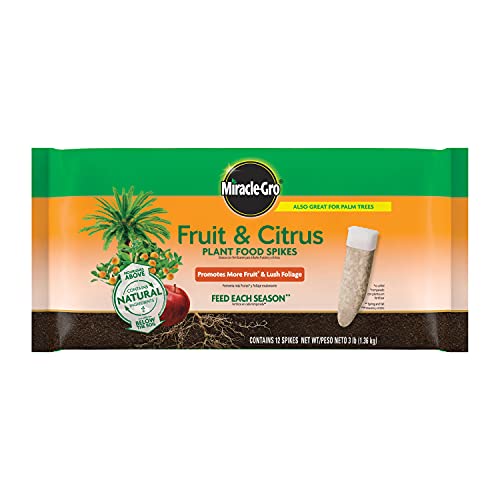
FORMULATED FOR CITRUS AND FRUIT TREES: Use these citrus fertilizer spikes on apple, orange, lemon, lime, and avocado trees; this formula is also great for feeding palm trees

CONCENTRATE INSECT KILLER - This pest control is great for use on aphids, flea beetles, leafhoppers, trips, whiteflies, Japanese beetles, mealy bugs and many more.

Enriched with Organic Fertilizer – This lemon tree fertilizer provides nutrients for up to 6 months, so your citrus trees stay healthy and productive with minimal upkeep.
Willow Trees
Willow trees, particularly the Weeping Willow variety, flourish in areas with wet soil. They thrive near water sources, making them an excellent choice for low-lying or boggy locations. Willow trees grow rapidly and can reach heights of 30 to 60 feet. They produce small, inconspicuous flowers, followed by long, slender catkins. While they’re not typically known for producing edible fruit, their graceful branches provide aesthetic value and shade.
Bald Cypress
Bald Cypress trees do exceptionally well in wet, swampy areas. These trees can tolerate saturated soil and flooding, making them ideal for flood-prone landscapes. They reach heights of 50 to 70 feet and develop a distinctive, buttressed trunk. Although primarily grown for their ornamental qualities, Bald Cypress trees produce small, round cones that contain seeds. These trees are also highly resilient and support wildlife in wetland ecosystems.
Black Gum
Black Gum trees thrive in moist, well-drained soils. They can handle brief periods of flooding, making them suitable for wet environments. These trees can grow 30 to 50 feet tall and display beautiful fall colors, with leaves turning vibrant shades of red, orange, and yellow. While they don’t produce significant edible fruit, the small drupes they bear are attractive to birds. Planting Black Gum trees enhances biodiversity in your garden while adding visual appeal.
Factors to Consider When Planting
When planning to plant fruit trees in wet soil, consider several key factors to enhance the chances of successful growth. Understanding these elements ensures healthier trees and better yields.
Recommended Products
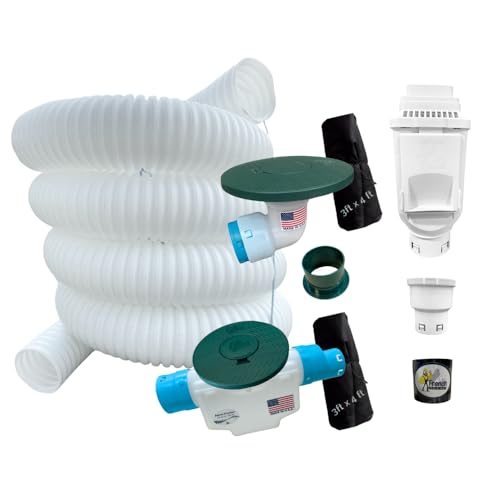
NO TOOLS NEEDED - Our goal at French Drain Man is to make your underground downspout project as easy as possible. That means you won’t need to dig out any tools. All you need is a shovel to dig your trench.
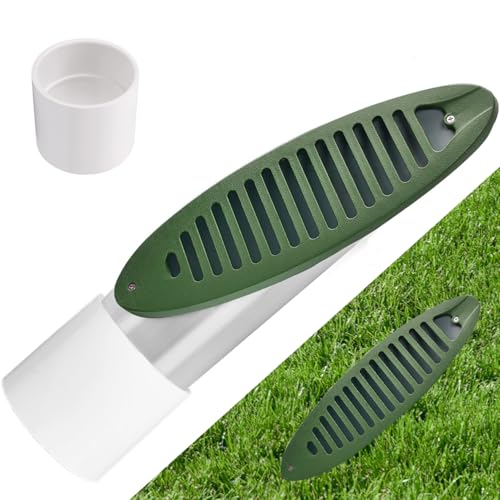
【 Easy to install 】 The Yard Drain Emitter is combined with a 4-inch connector, eliminating the hassle of finding an adapter. This combination is suitable for 4-inch drainage pipes and provides a perfect connection. Please check if your drainage pipe has an inner diameter of 4 inches/outer diameter of 4.5 inches
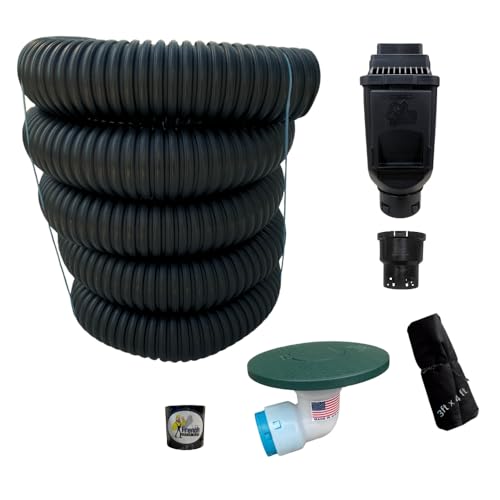
NO TOOLS NEEDED - Our goal at French Drain Man is to make your underground downspout project as easy as possible. That means you won’t need to dig out any tools. All you need is a shovel to dig your trench.
Soil Composition
Soil composition directly affects moisture retention and drainage. Evaluate the soil’s texture, such as clay, silt, or sand. Clay retains moisture but drains poorly, while sandy soils drain quickly but hold less water. It’s essential to balance these aspects. Adding organic matter like compost improves both texture and nutrient availability. Testing the soil’s pH is important too; most fruit trees thrive in slightly acidic to neutral soil (pH 6.0 to 7.0). For example, a soil test kit can help you determine the current pH level, guiding necessary amendments.
Drainage Solutions
Implementing drainage solutions helps prevent waterlogging. If the area tends to stay wet, consider creating a raised bed. Raised beds facilitate better drainage, allowing excess water to escape while retaining moisture for the roots of your fruit trees. Installing French drains can also redirect excess water away from tree roots. Additionally, planting trees on mounded soil helps elevate the root zone above saturated ground. Always check that the planting site allows for water runoff, ensuring the soil remains healthy and supportive for your trees, like the Bald Cypress or Weeping Willow.
Conclusion
Gardening in wet soil doesn’t have to be a challenge. With the right fruit trees and a few helpful tips, you can create a thriving garden even in soggy conditions. By choosing trees like the Cranberry or Weeping Willow, you’re not just adding beauty to your landscape but also ensuring a bountiful harvest.
Remember to consider soil composition and drainage solutions to keep your trees healthy and productive. With a little effort and the right choices, your garden can flourish, turning those wet areas into a vibrant fruit-producing oasis. Happy planting!
Frequently Asked Questions
What causes soggy soil in gardens?
Soggy soil often results from poor drainage, high water tables, or frequent rainfall. These conditions lead to waterlogged soil, which can negatively affect root oxygen levels and overall plant health.
Which fruit trees thrive in wet soil?
Several fruit trees thrive in wet soil conditions, including the Willow Leaf Fineapple, Persimmon, Cranberry, Bald Cypress, and Weeping Willow. These trees are adapted to withstand high moisture levels and can flourish in areas with poor drainage.
How can I improve drainage in my garden?
To improve drainage, consider creating raised beds, installing French drains, or planting on mounded soil. Additionally, incorporating organic matter like compost can enhance soil structure and promote better drainage.
What are the benefits of planting in wet soil?
Planting in wet soil can enhance nutrient availability and improve growth rates. The high moisture levels help dissolve nutrients and support healthy root development, allowing trees like Cranberries and Persimmons to thrive.
How do soil composition and texture affect plant growth?
Soil composition and texture, such as clay, silt, or sand, affect moisture retention and drainage. Understanding these factors helps gardeners select appropriate plants and improve soil health through amendments like compost and pH testing.
