

Have you ever dreamed of plucking fresh lemons right from your own backyard? If you’re thinking about planting a lemon tree, you might be wondering how long it’ll take before you can enjoy that juicy fruit. Growing your own lemons can be a rewarding experience, but patience is key.
Key Takeaways
- Lemon Tree Varieties: Different types of lemon trees, such as Eureka, Lisbon, Meyer, and Ponderosa, vary in growth rates and fruiting times, with Meyer lemons generally producing fruit faster.
- Optimal Growing Conditions: Successful lemon tree growth requires full sunlight (at least 8 hours daily), well-draining soil, regular watering, and temperatures between 70°F and 85°F.
- Timeframe for Fruit Production: On average, lemon trees take about 3 to 5 years to bear fruit, while seedlings may take 10 to 15 years. Young grafted trees can produce fruit within three years.
- Essential Care Practices: Maintaining moisture levels, using balanced fertilizers, and performing regular pruning are crucial for healthy growth and maximizing lemon yields.
- Challenges in Lemon Tree Cultivation: Be aware of environmental factors like temperature fluctuations and soil quality, as well as the need for vigilant pest management to prevent potential growth issues.
- Importance of Patience: Growing lemon trees is a rewarding endeavor, but it requires patience and proper care to enjoy the fresh fruit from your backyard.
Understanding Lemon Trees
Lemon trees offer a delightful addition to your backyard, bringing both beauty and the promise of fresh fruit. Understanding their characteristics and needs helps in achieving fruitful results.
Types of Lemon Trees
Lemon trees come in various types, each with unique fruit qualities and growth habits.
- Eureka Lemon Trees: Produces bright yellow lemons year-round. This variety thrives in warm climates and features a strong lemon flavor, perfect for cooking and beverages.
- Lisbon Lemon Trees: Known for vigorous growth, Lisbon lemons share similar fruit qualities with Eureka. These trees are hardy and can withstand colder temperatures better.
- Meyer Lemon Trees: A smaller, sweeter variety, Meyer lemons enjoy a less acidic taste. These trees are ideal for container gardening and perform well indoors.
- Ponderosa Lemon Trees: Large fruit with a bumpy texture distinguishes this variety. Their unique taste is a cross between lemons and other citrus fruits.
Each type of lemon tree affects the time it takes for fruit production, with some varieties ripening faster than others.
Growing Conditions
Lemon trees require specific growing conditions for optimal fruit production.
- Sunlight: Full sunlight is crucial, aiming for at least 8 hours per day. Position your tree in an area with plenty of sunlight to encourage healthy growth.
- Soil: Well-draining soil rich in organic matter supports healthy root development. Consider a pH of 5.5 to 6.5 to provide the best nutrient availability.
- Watering: Regular watering is essential, particularly during dry spells. Ensure the soil remains moist but not soggy, as overwatering can lead to root rot.
- Temperature: Mature lemon trees thrive in temperatures between 70°F and 85°F. Protect your tree from frost during colder months, especially if grown outdoors.
By providing optimal growing conditions, you increase the chances of quicker fruit production and healthier trees.
Timeframe for Fruit Production
Growing a lemon tree involves a waiting game, as the time from planting to fruit production varies based on several factors.
Seedling to Fruiting Stage
On average, lemon trees take about three to five years to produce fruit. When you start from seeds, expect this timeframe to extend significantly—typically up to 10 to 15 years for fruiting. If you choose a young grafted tree instead, you can enjoy your first lemons within three years, resulting in a quicker reward for your efforts.
Factors Influencing Timeframe
Several factors impact how soon your lemon tree produces fruit:
- Tree Variety: Different lemon tree varieties mature at varying rates. For instance, Meyer lemons often bear fruit quicker than Lisbon or Eureka types.
- Growing Conditions: Optimal sunlight, well-draining soil, and appropriate watering significantly influence growth. Ensure your tree gets at least eight hours of direct sunlight daily for the best results.
- Tree Age: Younger trees typically require more time to establish roots. Starting with a healthy, young grafted tree enhances your chances of quicker fruit production.
- Climate: Warmer climates accelerate growth. Lemon trees thrive in USDA zones 9 through 11, where conditions are ideal for fruiting.
- Care and Maintenance: Regular feeding with a balanced fertilizer supports overall health and fruitful yields. Watering schedules and pest control also play crucial roles.
By paying attention to these factors and providing the right environment, you can maximize the chances of enjoying fresh lemons sooner.
Care and Maintenance for Healthy Growth
Taking good care of your lemon tree ensures healthy growth and fruitful production. Focus on these essential aspects:
Recommended Products

🍋 EXPLOSIVE HARVEST: GardenWise ignites a remarkable yield boost. Its scientific blend, featuring 6% nitrogen for growth, 4% phosphorus for flowering, and 6% potassium for fruit quality, culminates in an abundance of flavorful, aromatic fruits. This is more than growth; it's a nutrient-powered revolution in your citrus yield.
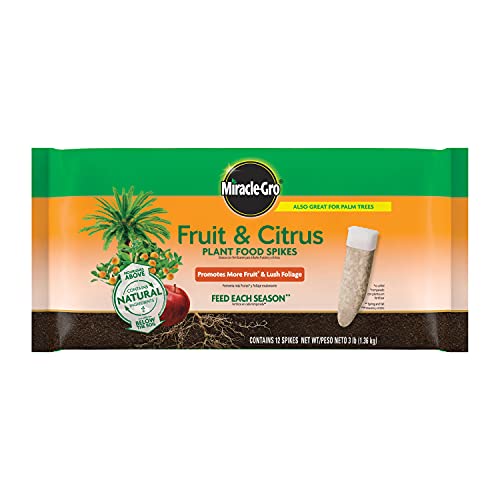
FORMULATED FOR CITRUS AND FRUIT TREES: Use these citrus fertilizer spikes on apple, orange, lemon, lime, and avocado trees; this formula is also great for feeding palm trees

🍋 EXPLOSIVE HARVEST: GardenWise ignites a remarkable yield boost. Its scientific blend, featuring 6% nitrogen for growth, 4% phosphorus for flowering, and 6% potassium for fruit quality, culminates in an abundance of flavorful, aromatic fruits. This is more than growth; it's a nutrient-powered revolution in your citrus yield.
Watering and Fertilization
Watering your lemon tree is crucial for its growth. Keep the soil consistently moist but not waterlogged. Use a deep watering technique, ensuring that water reaches the root zone. For young trees, aim to give them 1-2 inches of water per week, increasing to 2-3 inches during hotter months. Fertilize your tree with a balanced, slow-release fertilizer designed for citrus plants, usually applied every six weeks during the growing season. Look for fertilizers that contain nitrogen, phosphorus, and potassium in an NPK ratio of about 6-6-6 or 8-8-8.
Pruning and Pest Control
Pruning your lemon tree promotes better air circulation and sunlight penetration, enhancing fruit production. Remove dead or diseased branches, cutting back to healthy wood. Late winter or early spring serves as the best time for pruning. Monitor your tree regularly for pests such as aphids, spider mites, and leaf miners. If you spot any, use insecticidal soap or neem oil for treatment. Ensure you follow the application instructions carefully to protect your tree while managing pests effectively.
Common Challenges Faced by Lemon Tree Growers
Growing lemon trees comes with its own set of challenges. Understanding these obstacles can help you better prepare for a successful harvest.
Environmental Factors
Environmental conditions significantly affect lemon tree growth and fruit production.
- Temperature Fluctuations: Lemon trees thrive in temperatures between 70°F and 85°F. Extreme cold, especially below 30°F, can damage or kill young trees. Use frost blankets during chilly nights.
- Sunlight Requirements: Lemon trees require at least eight hours of direct sunlight daily. Lack of sunlight can result in poor growth and fewer fruits. Position your tree in a sunny spot.
- Soil Quality: Well-draining soil is crucial. Poor drainage can lead to root rot. Incorporate organic matter to enhance soil texture.
- Watering Practices: Overwatering can suffocate roots, while underwatering can stress the tree. Monitor soil moisture, and water deeply but infrequently to promote strong root development.
Disease and Pest Infestations
Diseases and pests can hinder lemon tree growth and fruit yield.
- Common Diseases: Citrus canker and root rot are prevalent diseases. Citrus canker causes lesions on leaves and fruit, while root rot affects the tree’s stability. Use disease-resistant varieties and practice good hygiene in your garden to minimize risks.
- Pest Management: Aphids, spider mites, and scale insects commonly target lemon trees. Regularly inspect the leaves for signs of infestations. Introduce beneficial insects like ladybugs, or use insecticidal soap if needed.
- Fertilization Balance: Nutrient imbalances can make trees more susceptible to diseases and pests. Use a balanced fertilizer formulated for citrus to ensure your tree gets the right nutrients.
By addressing these challenges, you can foster a healthier lemon tree, leading to a bountiful harvest.
Conclusion
Growing a lemon tree is a journey filled with excitement and patience. While it might take a few years before you see those bright lemons, the effort you put in will be well worth it. By providing the right conditions and care, you can help your tree thrive and produce a bountiful harvest.
Remember to enjoy the process and celebrate each milestone along the way. Whether you’re nurturing a grafted tree or patiently waiting for a seed-grown one, your dedication will eventually pay off. So keep tending to your lemon tree and look forward to the sweet rewards of your hard work. Happy gardening!
Frequently Asked Questions
What type of lemon trees are discussed in the article?
The article covers several types of lemon trees including Eureka, Lisbon, Meyer, and Ponderosa. Each type is noted for its unique fruit qualities and growth habits, providing options for gardeners based on their preferences and conditions.
How long does it take for a lemon tree to bear fruit?
Typically, lemon trees take about three to five years to produce fruit. However, trees grown from seeds may take up to 10 to 15 years. Choosing a young grafted tree can lead to fruit production within three years.
What are the optimal growing conditions for lemon trees?
Lemon trees thrive in full sunlight, well-draining soil, and require regular watering. Maintaining suitable temperature ranges is also crucial for their growth and the speed of fruit production.
How should I care for my lemon tree?
Care for lemon trees includes deep watering techniques, balanced fertilization, and regular pruning for air circulation. It’s also essential to implement pest control measures to protect against common pests like aphids and spider mites.
What common challenges do lemon tree growers face?
Common challenges include temperature fluctuations, sunlight requirements, soil quality, and watering practices. Additionally, managing diseases like citrus canker and root rot is crucial for healthy growth and fruit production.
