

Are you dreaming of a lush garden filled with organic fruit trees? You’re not alone! Many people want to grow their own delicious fruits but aren’t sure where to start. Finding the right trees can feel overwhelming with so many options out there.
Key Takeaways
- Understanding Organic Trees: Organic fruit trees grow without harmful chemicals, providing a healthier option for home gardening and ensuring nutrient-rich produce.
- Diverse Varieties: Popular organic fruit trees include apple, peach, and citrus varieties, each suited for different climates and growing conditions.
- Health and Environmental Benefits: Organic fruit trees contribute to better health and a positive environmental impact by supporting biodiversity and healthier ecosystems.
- Buying Sources: Ideal places to purchase organic fruit trees include local nurseries, online retailers, and farm direct options, each offering unique advantages.
- Climate and Variety Considerations: Assess your local climate and research tree varieties that fit your gardening preferences to enhance success rates in growing organic fruit.
Understanding Organic Fruit Trees
Organic fruit trees provide a sustainable and healthy option for home gardeners. These trees grow without synthetic fertilizers, pesticides, or herbicides. Instead, they rely on natural methods to thrive, ensuring that your fruit is free from harmful chemicals.
Types of Organic Fruit Trees
- Apple Trees: Varieties include Honeycrisp and Fuji. These trees adapt to various climates and soil types, producing sweet, crisp apples.
- Peach Trees: Varieties such as Elberta and Red Haven flourish in warm climates. They yield juicy peaches, perfect for fresh eating or canning.
- Citrus Trees: Options like lemon and orange trees are great choices for warmer regions. These trees bear fragrant fruit and bright foliage.
- Berry Bushes: While not technically trees, bushes like blueberry and raspberry can enhance your organic garden. They provide delicious fruits and attract pollinators.
Benefits of Growing Organic Fruit Trees
- Healthier Fruit: Organic fruit trees yield produce with higher nutrient levels. You enjoy the peace of mind that comes with chemical-free food.
- Environmental Impact: Organic gardening encourages biodiversity. It supports beneficial insects and promotes a healthier ecosystem.
- Flavor and Quality: Many gardeners note that organically grown fruit often tastes better. The natural growing processes enhance the fruit’s flavor.
- Research Varieties: Choose fruit varieties suited to your local climate. Native fruit trees often fare better in local conditions.
- Check Certifications: Look for trees labeled as “Certified Organic.” This guarantee ensures adherence to organic farming standards.
- Visit Local Nurseries: Local growers possess knowledge about what thrives in your area. They can provide recommendations based on your needs.
Incorporating organic fruit trees into your garden not only supports your health but also contributes positively to the environment. Each type of fruit tree comes with unique characteristics and benefits that cater to various tastes and gardening conditions.
Benefits of Growing Organic Fruit Trees
Growing organic fruit trees offers numerous advantages. You’ll enjoy healthier produce and contribute positively to the environment.
Health Benefits
Organic fruit trees produce fruit free from synthetic fertilizers and pesticides. This absence means you’ll consume fewer chemicals, reducing health risks. Organic fruits typically contain higher levels of vitamins, antioxidants, and phytonutrients compared to conventionally grown counterparts. For example, strawberries grown organically often have elevated vitamin C content, which boosts your immune system. Additionally, harvesting fruit from your own trees ensures freshness, enhancing flavor and nutritional value.
Environmental Impact
Organic fruit tree cultivation supports a healthier ecosystem. These trees promote biodiversity by attracting beneficial insects, such as pollinators and natural pest control agents. For instance, planting a variety of fruit trees can create a habitat for bees, improving pollination rates. Organic farming practices also improve soil health. Without chemical inputs, you’ll foster microbial life in the soil, leading to better nutrient cycling. Furthermore, growing your own organic fruit reduces the carbon footprint associated with transporting produce from commercial farms to grocery stores. You actively participate in sustainable practices that protect natural resources for future generations.
Top Places to Buy Organic Fruit Trees
Finding quality organic fruit trees is simple when you know where to look. Explore local nurseries, online retailers, and farm direct options for the best selections.
Recommended Products

Package contains 4 Pounds organic fruit and citrus fertilizer grains and is produced to avoid wasteful runoff, mess, hazards and smells

Package contains 4 Pounds organic fruit and nut fertilizer grains and is produced to avoid wasteful runoff, mess, hazards and smells
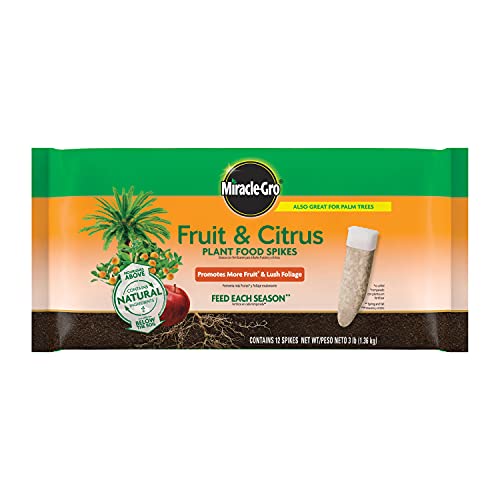
FORMULATED FOR CITRUS AND FRUIT TREES: Use these citrus fertilizer spikes on apple, orange, lemon, lime, and avocado trees; this formula is also great for feeding palm trees
Local Nurseries
Local nurseries often offer a variety of organic fruit trees tailored to your region. Check for nurseries that specialize in organic plants. Speak to knowledgeable staff who can provide tips on the best varieties for your climate. Visiting a nursery also allows you to inspect the health of the trees before purchase.
Online Retailers
Online retailers provide a convenient way to browse a wide selection of organic fruit trees. Websites like Stark Brothers or Trees of Antiquity have extensive inventories that include rare varieties. Be sure to read customer reviews for quality assurance. Check for shipping policies, as healthy delivery is crucial for tree survival.
Farm Direct Options
Farm direct options include local farms that sell directly to consumers. Look for farms that focus on organic cultivation. Visiting a farm can offer insights into their growing practices and allow you to support local agriculture. Some farms host seasonal sales or offer subscriptions for fresh trees and produce.
Tips for Choosing the Right Organic Fruit Tree
Selecting the right organic fruit tree involves understanding your gardening environment and preferences. Keeping these tips in mind can simplify the decision-making process.
Climate Considerations
Assess your local climate before choosing a fruit tree. Different fruit trees thrive in various temperature ranges and humidity levels.
- Warm Climates: Citrus trees, like oranges and lemons, flourish in warm temperatures.
- Cool Climates: Apple and cherry trees prefer cooler environments with a distinct winter chill.
- Humidity: Some trees, such as peaches and plums, enjoy moderate humidity while others thrive in dry conditions.
Researching your USDA hardiness zone can provide insights on which trees will grow best in your area. This information ensures you select a tree that works well with your local climate, maximizing your chances of success.
Variety Selection
Selecting the right variety can significantly influence your gardening experience. Consider the following factors:
- Fruit Type: Decide whether you want apples, peaches, or another fruit. Each type offers distinct flavors and uses.
- Disease Resistance: Opt for varieties known for their resistance to pests and diseases, which can reduce the need for intervention.
- Fruit Size and Quality: Some varieties produce larger fruit, while others focus on flavor or yield. Choose according to your preferences.
It’s also wise to consult local nurseries that offer organic options suited to your region. Their expertise can guide you toward the best varieties available. By considering these factors, you’ll be able to choose a fruit tree that aligns with your gardening goals and climate conditions.
Conclusion
Growing your own organic fruit trees is a rewarding journey that benefits both you and the environment. By choosing the right trees for your space and climate you can enjoy delicious fresh fruit while supporting sustainable practices.
Remember to explore local nurseries online retailers and even farm direct options to find the perfect organic varieties for your garden. With a little research and guidance you’ll be well on your way to cultivating a thriving organic fruit garden that brings joy and health to your life. Happy gardening!
Frequently Asked Questions
What are organic fruit trees?
Organic fruit trees are trees that produce fruit without the use of synthetic fertilizers, pesticides, or herbicides. They grow in a natural ecosystem, ensuring that the fruits are free from harmful chemicals and are healthier for consumption.
Why should I grow organic fruit trees?
Growing organic fruit trees offers numerous benefits, including producing healthier fruit with higher levels of vitamins and antioxidants. Additionally, it promotes biodiversity, improves soil health, and supports sustainable gardening practices.
What types of organic fruit trees can I grow?
You can grow various organic fruit trees, including apple, peach, and citrus trees, as well as berry bushes. Each type has unique characteristics suited for different climates and gardening conditions.
Where can I buy organic fruit trees?
Organic fruit trees can be purchased from local nurseries, online retailers, or directly from farms. Local nurseries often provide a variety suited to your region, while online options offer a broader selection.
How do I choose the right organic fruit tree?
When choosing an organic fruit tree, consider your gardening environment, climate, and preferences. Research USDA hardiness zones and select varieties that are disease-resistant and suitable for your specific growing conditions.
What are the environmental benefits of growing organic fruit trees?
Growing organic fruit trees supports a healthier ecosystem by promoting biodiversity, improving soil health, and attracting beneficial insects. It also reduces the carbon footprint associated with transporting produce, fostering sustainable gardening practices.
