

Have you ever wondered if you could combine your favorite fruits into one tree? Imagine picking apples, pears, and cherries all from a single trunk in your backyard. Grafting different types of fruit trees can turn this dream into reality, but it raises questions about compatibility and success rates.
Key Takeaways
- Grafting Basics: Grafting is a horticultural technique connecting a rootstock with a cultivar to grow a hybrid fruit tree. Understanding the grafting methods and their applications is crucial for success.
- Grafting Techniques: Common grafting methods include whip and tongue, side grafting, cleft grafting, budding, and bridge grafting. Each method has unique advantages and suitability for different circumstances.
- Compatibility Matters: Successful grafting typically occurs within the same genus or closely related species. Research is essential to ensure that chosen fruit trees will graft well together.
- Benefits of Grafting: Grafting fruit trees can lead to space conservation, an extended harvest season, and improved hardiness by using resilient rootstocks.
- Challenges to Overcome: Consider disease resistance and growth rate disparities between scions and rootstocks. Selecting varieties that complement each other can lead to a healthier and more productive tree.
- Experimentation is Key: Trying different grafting techniques and combinations can maximize productivity and diversity in your fruit garden, leading to unique and flavorful harvests.
Understanding Grafting
Grafting connects different types of fruit trees to create one tree that produces multiple fruits. It’s essential to understand the process and techniques involved in achieving successful grafting.
What Is Grafting?
Grafting is a horticultural technique involving the joining of two plant parts, typically a rootstock and a cultivar. The rootstock provides the root system and support, while the cultivar produces the desired fruits. Your aim is to ensure compatibility between the rootstock and the cultivar, as this significantly affects the success of the graft.
- Whip and Tongue Grafting
Whip and tongue grafting allows for a secure connection between the rootstock and cultivar. You make a diagonal cut on both parts and create matching tongues to interlock them. This method enhances the chance of successful union due to maximum surface contact. - Side Grafting
Side grafting occurs when you make a cut on the side of the rootstock and insert a scion. This technique suits situations where the rootstock’s circumference matches that of the scion. It’s particularly effective for grafting a new variety onto an established tree. - Cleft Grafting
Cleft grafting involves splitting the rootstock and inserting a wedge-shaped scion. This method works best when the scion is smaller than the rootstock. You can quickly propagate new varieties and revitalize older trees. - Budding
Budding uses a single bud from the cultivar, which is inserted into the rootstock. This practice is often employed during the growing season and is suitable for many fruit trees. It’s efficient and requires less material than other grafting methods. - Bridge Grafting
Bridge grafting repairs damaged areas on the rootstock. You install scions above and below the damaged region to restore nutrient flow to the tree. This method can help save trees that have suffered girdling damage from pests or other factors.
For best results, research the appropriate techniques for your specific fruit trees and practice proper tool sanitation. This preparation maximizes your chances of creating a thriving grafted tree.
Can You Graft Different Types of Fruit Trees Together?
Grafting different types of fruit trees can create a unique hybrid tree that produces multiple fruits. However, understanding compatibility and benefits is essential for success.
Recommended Products
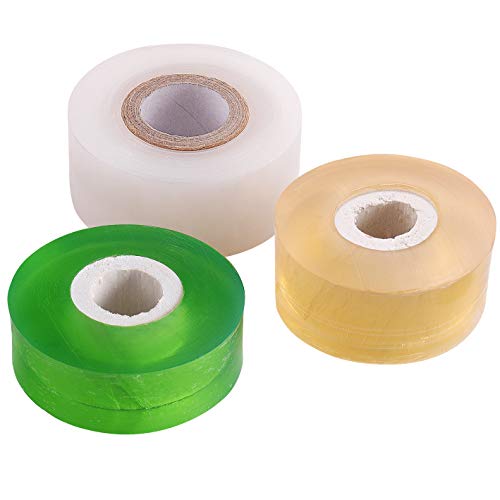
Flexible grafting tape adheres to itself with stretch gently
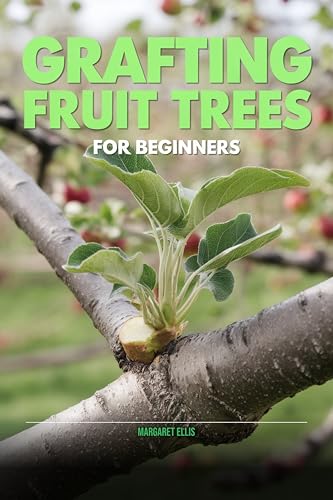

FOR FRUIT TREE GRAFTING: Prepare scions and rootstocks with this hand-held grafting knife for fruit trees and other suitable woody plants during plant propagation
Compatibility of Different Species
Not all fruit trees graft together successfully. Generally, trees within the same genus work best. For example, apples (Malus domestica) can graft onto crabapples (Malus spp.) or pears (Pyrus spp.). Conversely, cross-grafting between unrelated species, like apples and cherries, often fails. Perform research on specific species compatibility prior to starting.
Consider these points:
- Same Genus: Focus on species that share a genus for a higher success rate.
- Related Species: Look for fruits with similar growth habits and biology.
- Rootstock Influence: Select an appropriate rootstock to boost vigor and disease resistance.
The Benefits of Grafting Diverse Fruit Trees
Grafting various fruit trees offers several advantages, including increased biodiversity and improved fruit variety. You can achieve multiple fruit types from one tree, enhancing your garden’s productivity.
Here are key benefits:
- Space Conservation: Grafting allows you to maximize production in limited space with fruit varieties on one trunk.
- Extended Harvest: Different fruits may ripen at varying times, providing a prolonged harvest season.
- Hardiness and Resilience: Certain rootstocks provide better tolerance to pests, diseases, or environmental stress.
Explore diverse fruit options when planning your grafting project. Combining flavors can create a more exciting and fruitful garden.
Methods for Grafting Different Fruit Trees
Grafting various fruit trees requires specific techniques tailored to ensure compatibility and enhance growth. Here are two popular methods.
Recommended Products

Complete Grafting Kit:You will receive 1 grafting wax kit containing 7-ounce can of grafting wax, 4 pieces of 3.8 inches stirring rods, and 1 roll of 656 feet grafting tape. The wax is sealed in an aluminum can for moisture resistance and durability, making the kit ideal for all types of horticultural grafting.

Item Package Height: 1.1 Inches

Stretches with plant growth and increases the survival rate of seedlings.
Cleft Grafting
Cleft grafting is effective when you want to combine a scion (the part you want to grow) with a larger rootstock. Select a healthy rootstock, ideally at least 1 inch in diameter.
- Prepare the Rootstock: Cut the rootstock down to a desired height, creating a clean wound. Make a vertical cut down the center of the stump approximately 2-3 inches deep.
- Prepare the Scion: Choose a scion from a compatible fruit tree. Cut a wedge-shaped end on the scion, about 1-2 inches long.
- Join the Pieces: Insert the scion into the cleft in the rootstock, ensuring that the cambium layers (the green layer just beneath the bark) touch.
- Secure the Graft: Use grafting tape or parafilm to wrap the grafted area tightly. This keeps moisture in and prevents movement.
- Protect the Graft: Cover the graft with a grafting wax or sealant to prevent drying out, then place it in a shaded area until it heals.
Side Veneer Grafting
Side veneer grafting is suitable for attaching a scion to the side of a rootstock branch. This method is great for adding new varieties to an existing tree.
- Prepare the Rootstock: Identify a branch on the rootstock that’s healthy. Using a sharp knife, make a vertical cut about 1-2 inches long and peel back the resulting flap of bark.
- Prepare the Scion: Select a scion that has a few buds. Cut the bottom at a slight angle to create a long, flat surface that will fit snugly under the flap.
- Insert the Scion: Gently slide the prepared scion into the flap of bark, ensuring good contact between the cambium layers.
- Secure the Graft: Wrap the graft with grafting tape or use a rubber band to hold it in place, allowing for some movement.
- Seal the Graft: Apply grafting wax or sealant to protect the graft union from drying out and to promote healing.
These methods enhance your garden’s productivity by allowing multiple fruits to share resources while enjoying the unique flavors of various tree varieties. Experiment with these techniques for a fruitful garden.
Challenges and Considerations
When grafting different types of fruit trees together, several challenges and considerations can arise. Understanding these factors helps ensure successful grafting and a productive tree.
Recommended Products

Seal & Protect Tree Wounds Fast: Thick 2X concentrated formula designed to coat and seal cuts, cracks, and bark damage. This tree wound sealer supports natural healing by creating a durable moisture-resistant layer. Works as a reliable tree wound dressing for pruning, storm recovery, or grafting.
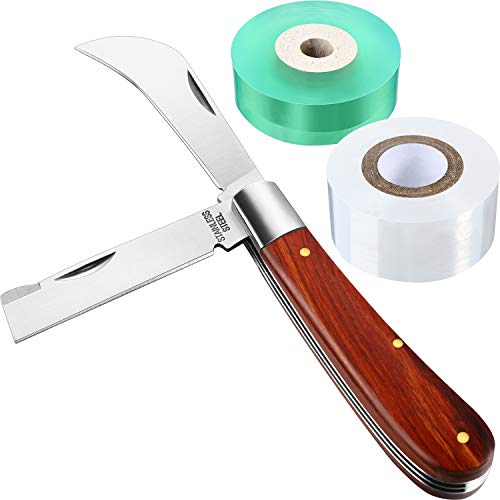
Package includes: you will get 1 double blades garden grafting knife and 2 rolls of grafting tapes in 2 sizes, ideal set for grafting budding, cutting, digging, sprouting, plants, weeding, cutting, sawing, etc.

Protects Grafts from Disease: Treekote grafting wax helps to seal the grafted area to keep moisture in. Treekote grafting wax accelerates the healing of grafts while reducing water and nutrient loss from the trimmed area. This is essential for ensuring the success of your grafting project
Disease Resistance
You must evaluate the disease resistance of the fruit varieties you intend to graft. Some trees are more susceptible to specific diseases than others. For instance, apples are prone to apple scab, while peaches may suffer from brown rot. Selecting a scion and rootstock with complementary resistance traits reduces the risk of disease transmission. Researching disease-resistant varieties helps create a healthier grafted tree that thrives in your local climate.
Growth Rate Disparities
You need to be mindful of growth rate disparities between different fruit tree species. A scion from a fast-growing variety grafted onto a slow-growing rootstock may lead to imbalances. For example, if you graft an Asian pear (fast growth) onto a quince rootstock (slow growth), the scion may outpace the rootstock, resulting in a poorly shaped tree. To avoid this, choose rootstocks that match or closely resemble the growth rate of your scion. This compatibility enhances overall tree structure and fruit production.
Conclusion
Grafting different types of fruit trees can be a rewarding adventure for any gardener. By combining various species, you can enjoy a diverse harvest and make the most of your garden space. Remember to research compatibility and choose the right techniques to boost your chances of success.
As you explore this fascinating process, don’t shy away from experimenting with different varieties. Each grafted tree tells a unique story of flavor and resilience. With a little patience and care, you can create a thriving tree that brings joy and delicious fruits for years to come. Happy grafting!
Frequently Asked Questions
What is fruit tree grafting?
Grafting is a horticultural technique where tissues from different fruit tree varieties are joined together to grow as a single tree. This method allows a tree to produce multiple types of fruits, enhancing biodiversity and maximizing space.
Which fruit trees can be grafted together?
Generally, trees within the same genus graft together more successfully. For example, apple trees can be grafted with pear and plum trees, but researching specific compatibility is essential for the best results.
What are the main grafting techniques?
Common grafting techniques include whip and tongue, side grafting, cleft grafting, budding, and bridge grafting. Each method has specific applications and benefits, depending on the types of trees being grafted.
How can I ensure successful grafting?
To maximize grafting success, research compatible species and choose appropriate rootstocks. Additionally, maintain tool sanitation and follow established grafting techniques to promote healing and growth.
What are the benefits of grafting fruit trees?
Grafting offers several advantages, including increased biodiversity, space conservation, extended harvest seasons, and improved disease resistance, creating a more productive and diverse garden.
What is cleft grafting?
Cleft grafting is a method used to join a scion with a larger rootstock. It involves making a cleft in the rootstock and inserting the prepared scion, followed by securing and protecting the graft during recovery.
What is side veneer grafting?
Side veneer grafting involves adding new varieties to an existing tree. It requires preparing the rootstock and scion, inserting the scion into a cut on the rootstock, and ensuring the graft site is sealed properly to promote healing.
How can disease resistance impact grafting?
When grafting, choosing disease-resistant varieties is crucial to reducing the risk of disease transmission. Evaluating the disease resistance of both the rootstock and scion helps create healthier, more robust grafted trees.
What should I consider when selecting rootstocks?
When selecting rootstocks, consider compatibility with the scion, growth rates, and resistance to diseases. Matching the rootstock’s growth rate with that of the scion ensures structural balance and improved tree productivity.
How can grafting improve garden productivity?
Grafting allows gardeners to cultivate a variety of fruits on a single tree, saving space and time. By employing different grafting techniques, gardeners can enhance their garden’s productivity and versatility, leading to diverse and fruitful harvests.
