

Have you ever dreamed of plucking fresh mangoes right from your own backyard? If you’re considering planting a mango tree, you might be wondering how long it’ll take before you can enjoy those juicy fruits.
Key Takeaways
- Growth Timeline: Mango trees typically begin fruiting between 3 to 6 years after planting, depending on the variety and growing conditions.
- Variety Matters: Dwarf varieties can bear fruit as early as 2 to 3 years, while larger varieties may take 5 to 7 years.
- Climate Requirements: Mango trees thrive in warm temperatures (70°F to 100°F) and require full sunlight for at least 6 to 8 hours daily.
- Essential Care: Adequate watering, fertilizing with balanced nutrients, and annual pruning are crucial for healthy growth and fruit production.
- Soil Quality: Well-draining, sandy soil with a pH of 5.5 to 7.5 helps promote strong root development and nutrient accessibility.
- Monitoring Growth Conditions: Regularly check moisture levels, soil quality, and tree health to ensure optimal growing conditions for your mango tree.
Overview of Mango Trees
Mango trees (Mangifera indica) thrive in warm, tropical climates. You can find them in many regions, particularly in South Asia, Mexico, and Florida. These trees can grow up to 100 feet tall but typically reach around 30 to 50 feet.
Growth Stages
Mango trees undergo several growth stages before producing fruit:
- Seedling Stage: This stage lasts about 1 to 2 years. During this time, the tree develops roots, stems, and leaves.
- Juvenile Stage: Lasting from approximately 2 to 5 years, the tree focuses on vegetative growth. You’ll notice an increase in leaf production and branching.
- Mature Stage: Once the tree reaches 5 to 7 years old, it can begin to flower and fruit. Environmental factors, like sunlight and soil quality, influence this timeline.
Fruit Production Timeline
Mango trees typically start fruiting between 3 to 6 years after planting, depending on the variety and growing conditions. For instance, some dwarf varieties bear fruit as early as 2 to 3 years, while larger varieties may take longer. Here’s a quick breakdown:
| Variety | Time to Fruit |
|---|---|
| Dwarf Varieties | 2-3 years |
| Standard Varieties | 3-6 years |
| Large Varieties | 5-7 years |
Climate Requirements
Mango trees flourish in warm temperatures ranging from 70°F to 100°F. They need full sun for at least 6 to 8 hours daily. Ensuring a well-draining soil is crucial, as mango trees don’t tolerate waterlogged conditions.
Care and Maintenance
Proper care enhances the fruiting potential of your mango tree:
- Watering: Water young trees regularly, especially in dry spells. Reduce frequency once established.
- Fertilizing: Apply balanced fertilizers during the growing season. A ratio of 10-10-10 (nitrogen-phosphorus-potassium) works well.
- Pruning: Trim dead or crowded branches annually to promote healthy growth.
Understanding these aspects will help you nurture your mango tree for fruitful harvests.
Factors Affecting Fruiting Time
Several factors influence when a mango tree begins to fruit. Understanding these can help you anticipate the timing of your harvest.
Recommended Products

Grafted Mango Tree: Includes 1 live mango tree, grafted and fully rooted in a 3-gallon nursery pot

Tropical Fruit Seeds: Grow your own delicious mangoes at home with this set of 3 premium mango tree seeds, perfect for cultivating fresh, sweet tropical fruit right in your garden or indoor space
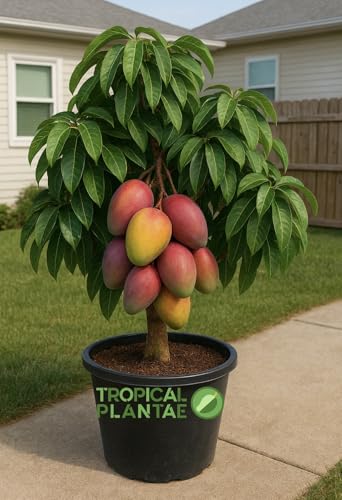
Imagine stepping into your backyard a few months from now and seeing a beautiful grafted Haden mango tree, growing stronger every day — a tree that will soon reward you with one of the most classic, flavorful mangoes ever grown.
Tree Varieties
Different varieties of mango trees affect the time it takes to produce fruit. Common types include:
- Haden: Typically fruits in 3 to 4 years.
- Tommy Atkins: Often produces fruit within 4 to 5 years.
- Kent: Generally fruits in about 5 to 6 years.
- Dwarf Varieties: Some, like ‘Little Mango’, can bear fruit in just 2 to 3 years.
Selecting the right variety for your climate and preferences can shorten your waiting time.
Growing Conditions
Mango trees thrive under specific conditions that impact their fruiting timeline. Key factors include:
- Climate: Mango trees prefer warm, tropical climates. Consistent temperatures above 70°F promote faster growth.
- Soil Quality: Well-draining, sandy soils enhance root development. Amendments like compost improve nutrient availability.
- Sunlight: Full sun exposure (at least 6 to 8 hours daily) encourages optimal growth and flowering.
- Watering: Regular watering, especially during dry spells, supports healthy growth and reduces stress on the tree.
- Pruning: Annual pruning improves air circulation and light penetration, which boosts fruit production potential.
Optimizing these conditions helps ensure your mango tree fruits as early as possible.
Typical Fruiting Timeline
Mango trees follow a specific timeline before yielding fruit, influenced by their growth stages and variety. Understanding these stages helps manage expectations for your harvest.
Recommended Products

4-Hole Side Design: This high-performance tree watering spike makes it easy to deliver water and fertilizer directly to the root zone. The upgraded side-hole design helps improve watering efficiency, while the sharp tip makes it easy to push into hard or compact soil. The 4 side outlets help reduce clogging and distribute water more evenly for deep root watering and feeding.

Let our professionally formulated plant food help your fruit tree grow healthy, strong AND abundantly producing
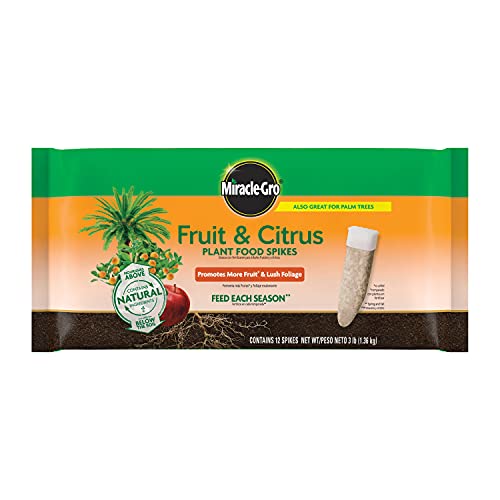
FORMULATED FOR CITRUS AND FRUIT TREES: Use these citrus fertilizer spikes on apple, orange, lemon, lime, and avocado trees; this formula is also great for feeding palm trees
Seedling Stage
During the seedling stage, which lasts from 1 to 2 years, your mango tree establishes roots and develops its initial growth. In this phase, focus on providing optimal conditions.
- Watering: Keep the soil moist but not waterlogged.
- Sunlight: Ensure your tree receives at least 6-8 hours of sunlight daily.
- Soil: Use well-draining soil to prevent root rot.
Although fruit production doesn’t occur yet, your tree lays the foundation for future growth.
Mature Tree Stage
The mature stage begins around the 3 to 7-year mark, depending on the variety. This is when fruiting starts, with some trees producing fruit as early as 2 years after planting.
Fruiting Timeline:
- Dwarf Varieties: Such as ‘Little Mango’, fruit in 2-3 years.
- Haden Variety: Begins fruiting in 3-4 years.
- Tommy Atkins: Fruits within 4-5 years.
- Kent Variety: Starts yielding in 5-6 years.
- Pruning: Perform annual pruning to remove dead or overcrowded branches, encouraging healthy growth.
- Fertilizing: Use a balanced fertilizer during the growing season to provide essential nutrients.
Maintaining proper care during the mature stage ensures a bountiful harvest and enhances the quality of your mangoes.
Care Tips for Encouraging Fruiting
To encourage your mango tree to produce fruit, focus on soil quality, nutrition, and proper watering practices.
Recommended Products
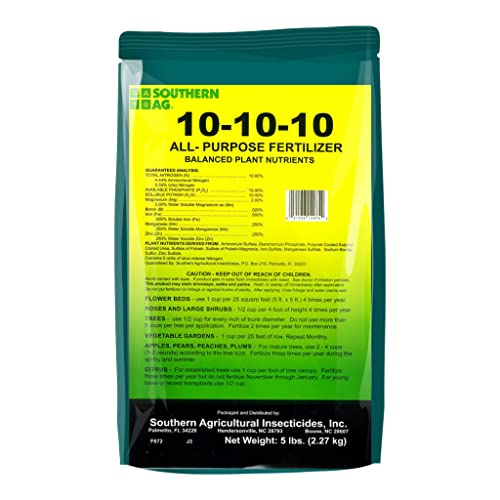

Package contains 4 Pounds organic fruit and citrus fertilizer grains and is produced to avoid wasteful runoff, mess, hazards and smells

CITRUS PLANT FOOD: This avacado, mango and citrus fruit tree fertilizer feeds plants for up to 3 months and nourishes above and below the soil
Soil and Nutrients
Mango trees thrive in well-draining sandy loam or loamy soil. Soil with a pH between 5.5 to 7.5 promotes healthy growth. To enhance the nutrient content, incorporate organic matter like compost or well-rotted manure. This boosts soil fertility and allows your tree to access essential nutrients.
Fertilize during the growing season with a balanced fertilizer, such as a 10-10-10 or 8-3-9 ratio. Apply around 1 to 2 pounds per tree in early spring and again in mid-summer. This supports early fruit development and robust growth. Monitor your tree for nutrient deficiencies, such as yellowing leaves or poor growth, and adjust your fertilization schedule accordingly.
Watering Practices
Water your mango tree regularly, especially during dry spells. Aim for moist soil, but avoid waterlogging, which can lead to root rot. Typically, a deep watering once every week works well. In very hot weather, consider increasing the frequency.
Use mulch around the base of the tree to retain moisture and regulate soil temperature. This helps the tree establish a strong root system. Remember to check the moisture level by sticking your finger into the soil. If it feels dry up to two inches deep, it’s time to water.
Conclusion
Growing a mango tree can be a rewarding experience that brings sweet fruit to your backyard. With the right care and conditions you can expect to see your tree start to bear fruit in about 3 to 6 years.
Remember that patience is key as you nurture your tree through its growth stages. By providing proper watering, fertilizing, and pruning you’ll set the stage for a bountiful harvest.
So get ready to enjoy the delicious taste of homegrown mangoes and the joy of watching your tree thrive. Happy gardening!
Frequently Asked Questions
How long does it take for a mango tree to bear fruit?
Mango trees typically start producing fruit between 3 to 6 years after planting. However, some dwarf varieties can bear fruit as early as 2 to 3 years.
What climate is best for growing mango trees?
Mango trees thrive in warm, tropical climates with temperatures above 50°F (10°C). They require full sun and well-draining soil to grow successfully.
How can I encourage my mango tree to produce fruit?
To encourage fruit production, provide optimal growing conditions such as well-draining sandy loam soil, regular watering, proper fertilization, and annual pruning.
What are the growth stages of a mango tree?
Mango trees go through three main stages: the seedling stage (1-2 years), juvenile stage (2-5 years), and mature stage (5-7 years), with fruiting starting in the mature stage.
What type of soil is best for mango trees?
Mango trees prefer sandy loam or loamy soil with a pH between 5.5 and 7.5. This type of soil ensures good drainage and adequate nutrients for healthy growth.
Do different mango varieties affect fruiting time?
Yes, different mango varieties impact fruiting times. For example, the Haden variety typically fruits in 3 to 4 years, while the Tommy Atkins takes 4 to 5 years.
