

Have you ever wondered how some gardens boast a variety of fruits from just a few trees? Grafting is the secret behind this amazing technique. By joining different types of fruit trees, you can create unique hybrids that produce multiple fruits, save space, and even enhance disease resistance.
Key Takeaways
- Grafting Techniques: Understand the three primary techniques—cleft grafting, whip-and-tongue grafting, and budding—each suited for different types of rootstocks and scions.
- Compatible Fruit Trees: Successful grafting occurs primarily between closely related species, such as pome fruits (apples and pears) and stone fruits (peaches and plums).
- Best Practices: Ensure compatibility of species, make clean cuts, time grafts during dormancy, and monitor moisture levels for optimal healing.
- Benefits of Grafting: Grafting allows for space-saving, enhanced disease resistance, faster fruit production, and the ability to create unique fruit combinations on the same tree.
- Success Factors: Grafting success relies on tree compatibility and appropriate environmental conditions, such as favorable temperatures and moisture levels.
Understanding Grafting
Grafting allows you to combine the strengths of two different plants into one. It involves joining a scion, which is a part of one tree, to the rootstock of another. This technique can lead to fruit trees that produce multiple varieties from a single trunk.
Types of Grafting Techniques
- Cleft Grafting:
- Used on larger rootstocks.
- Cut a cleft in the rootstock and insert the scion into it.
- Ideal for switching varieties on established trees.
- Whip-and-Tongue Grafting:
- Suitable for similar diameters of scion and rootstock.
- Both are cut at an angle, creating matching surfaces.
- Provides superior contact, fostering better healing.
- Budding:
- Involves inserting a bud from the scion onto the rootstock.
- Best for smaller rootstocks and more adaptable grafting.
- Often employed in the commercial production of fruit trees.
Ideal Combinations for Grafting
- Pome Fruits:
- Apple (Malus domestica)
- Pear (Pyrus communis)
- Quince (Cydonia oblonga)
- Stone Fruits:
- Cherry (Prunus avium)
- Peach (Prunus persica)
- Plum (Prunus domestica)
- Citrus Fruits:
- Orange (Citrus sinensis)
- Lemon (Citrus limon)
- Grapefruit (Citrus × paradisi)
Best Practices for Successful Grafting
- Choose Compatible Species: Select plants closely related botanically for higher success rates.
- Ensure Clean Cuts: Sharp tools lead to cleaner wounds, reducing infection risks.
- Practice Proper Timing: Perform grafts during the tree’s dormant season, usually late winter or early spring.
- Monitor Moisture Levels: Keep the graft site moist but not soggy to support healing.
- How long until grafting takes effect?
Grafting typically takes a few weeks to a couple of months to bond successfully. - Can you graft different fruit families?
Grafting is largely limited to species within the same family, ensuring compatibility. - What if my graft fails?
If a graft doesn’t take, re-evaluating techniques and timing may improve future attempts.
With these insights, you can efficiently utilize grafting to create versatile fruit trees that thrive in your garden.
Types of Grafting Techniques
Grafting techniques vary in methods and uses. Understanding these will help you choose the best one for your fruit trees.
Recommended Products

Complete Grafting Kit:You will receive 1 grafting wax kit containing 7-ounce can of grafting wax, 4 pieces of 3.8 inches stirring rods, and 1 roll of 656 feet grafting tape. The wax is sealed in an aluminum can for moisture resistance and durability, making the kit ideal for all types of horticultural grafting.
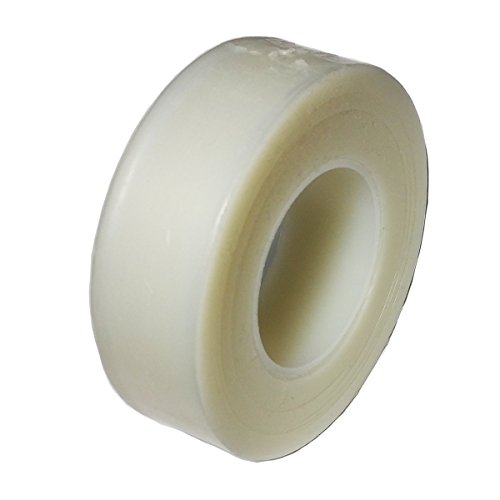
Item Package Height: 1.1 Inches

Complete Grafting Set for All Skill Levels: This all-inclusive grafting kit includes 200g of grafting wax, a convenient scraper, and a 3m roll of grafting tape-everything needed to start and finish grafting projects without additional purchases. Suitable for gardeners of all experience levels, from novices to experts, working with fruit trees, bonsai, and young seedlings
Whip-and-Tongue Grafting
Whip-and-tongue grafting involves making angled cuts on both the scion and rootstock. This method creates a secure fit, which encourages the growth of the two parts together. Ideal for compatible species, you’ll find this technique works best during the active growing season.
- Select Scion and Rootstock: Choose healthy, compatible varieties.
- Make Cuts: Cut both pieces at a 45-degree angle to form a “whip”.
- Interlock Pieces: Overlap the cut surfaces and create a tongue by making a small slit in each.
- Secure with Tape: Use grafting tape to hold them together and promote healing.
This technique is beneficial for grafting apple, cherry, and pear trees, allowing for successful fusion.
Cleft Grafting
Cleft grafting is simpler and useful for joining thicker rootstocks. This method works well when you want to add a new variety to an established tree. During this process, you’ll split the rootstock and insert a wedge-shaped scion.
- Prepare the Rootstock: Make a clean cut and split it about two to three inches deep.
- Shape the Scion: Create a wedge shape on the end of the scion to facilitate insertion.
- Insert the Scion: Place the scion into the split, ensuring good contact with the cambium layer.
- Seal and Protect: Tape the graft tightly and apply grafting wax to keep moisture in.
This technique works especially well with stone fruits like peaches and plums, allowing you to diversify your harvest effortlessly.
Compatible Fruit Trees
Grafting allows you to create versatile fruit trees by combining compatible species. Understanding which types of trees can be grafted together ensures successful growth and fruitful yields.
Recommended Products

Stretches with plant growth and increases the survival rate of seedlings.
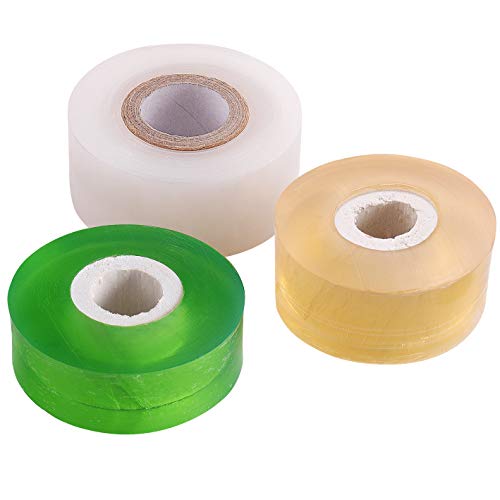
Flexible grafting tape adheres to itself with stretch gently

【Silicone Grafting Cover】 Designed to help securely hold the scion and rootstock together, maintaining close cambium contact during grafting. Suitable for young fruit trees, citrus plants, and garden seedlings
Stone Fruits
Stone fruits include cherries, peaches, plums, and apricots. These fruits share a common lineage, making them compatible for grafting.
- Cherries (Prunus avium) can be grafted with sour cherries (Prunus cerasus) for enhanced flavor variations.
- Peaches (Prunus persica) pair well with nectarines (Prunus persica var. nucipersica), allowing you to enjoy different textures and tastes from a single tree.
- Plums (Prunus domestica) work well with cherry plums (Prunus cerasifera), broadening the fruit options.
- Apricots (Prunus armeniaca) can also successfully graft onto rootstocks of other stone fruits like plums.
Choose the right scion and rootstock pairs from this group to maximize fruit production and health.
Pome Fruits
Pome fruits include apples and pears. They are also compatible with one another, enabling successful grafting.
- Apples (Malus domestica) easily graft onto other apple varieties, which can lead to multiple types of apples on one tree.
- Pears (Pyrus communis) and Asian pears (Pyrus pyrifolia) can be grafted together, offering a variety of textures and flavors.
- Quinces (Cydonia oblonga) serve as an excellent rootstock for apples, improving growth and fruit quality.
Selecting the right combinations within pome fruits can yield bountiful harvests with improved disease resistance.
Factors Affecting Grafting Success
Grafting success depends on several key factors, mainly tree compatibility and environmental conditions.
Tree Compatibility
Tree compatibility plays a crucial role in grafting. Grafting generally works best between closely related species. For example, you can graft apples onto crab apples, as they belong to the same genus. Stone fruit trees, like peaches and plums, also thrive when grafted together due to their shared lineage. Always research the specific compatibility of your chosen fruit trees before grafting to ensure a successful union. Using scions and rootstocks from the same family increases the chances of grafting success.
Environmental Conditions
Environmental conditions significantly impact grafting outcomes. Grafting thrives in mild temperatures, ideally between 60°F and 75°F. Warm weather encourages growth and healing, promoting better bond formation. Additionally, adequate moisture levels are vital for graft success. Keeping the grafted area adequately hydrated without over-saturating helps prevent stress. Light exposure also matters; avoid direct sunlight on fresh grafts, as excessive rays can dry them out. Monitor weather conditions and shade the grafted area as needed for optimal growth.
Benefits of Grafting
Grafting offers multiple advantages for fruit tree cultivation. Here are the key benefits:
- Space Saving: Grafting allows you to grow various fruit types on a single tree. This approach maximizes your garden space, letting you enjoy different fruits without needing many trees.
- Disease Resistance: Selecting robust rootstock enhances disease resistance. For example, using disease-resistant rootstock for apples can yield healthier trees and fruit.
- Improved Fruit Quality: Grafting can produce superior fruit varieties. By combining the best traits from multiple trees, you can create a tree that produces tastier and higher-quality fruit.
- Faster Fruit Production: Grafted trees often bear fruit sooner than those grown from seeds. You can enjoy homegrown fruit typically within 2 to 3 years of planting a grafted tree.
- Diversity: Grafting enables you to experiment with different varieties. Enjoy unique fruit combinations, such as a tree that produces both sweet cherries and tart cherries.
- Tougher Trees: Combining different rootstocks and scions can lead to trees better suited to specific soil or climate conditions. It means healthier, more resilient growth overall.
- Propagation of Rare Varieties: Grafting allows you to propagate rare or heirloom varieties that may not be available commercially. Create and share unique fruits with your community.
- Inter-Compatibility: You can graft trees that might not otherwise bear fruit together. This technique opens up possibilities between diverse species, such as grafting a peach onto a plum.
By utilizing grafting techniques, you enhance your fruit tree garden while reaping the benefits of space efficiency, disease resistance, and exceptional fruit quality.
Conclusion
Grafting opens up a world of possibilities for your garden. By combining different fruit trees you can enjoy a diverse harvest from just a few plants. Whether you choose to experiment with pome fruits or stone fruits there’s so much potential for creating unique flavors and textures.
Remember to pay attention to compatibility and environmental conditions to ensure your grafting efforts are a success. With a little patience and care you’ll not only save space but also cultivate healthier trees that produce delicious fruits for years to come. So grab your tools and start your grafting journey—you’re in for a fruitful adventure!
Frequently Asked Questions
What is grafting in gardening?
Grafting is a gardening technique that involves joining a scion (a part of one plant) to the rootstock of another. This combines the strengths of both plants, allowing gardeners to grow multiple fruit varieties from just a few trees, saving space and enhancing disease resistance.
What are the main grafting techniques?
The main grafting techniques include cleft grafting, whip-and-tongue grafting, and budding. Each technique is suited for different situations and types of rootstocks, making them versatile options for gardeners looking to create hybrid fruit trees.
Which fruits are best for grafting?
Ideal fruits for grafting include pome fruits like apples and pears, stone fruits such as cherries and peaches, and citrus varieties like oranges and lemons. These combinations often yield successful grafts and flavorful results.
How do I know if my trees are compatible for grafting?
Trees are compatible for grafting if they are closely related species. For example, grafting apples onto crab apples or stone fruits like peaches onto plums can increase the chances of a successful graft.
What factors affect the success of grafting?
Factors that affect grafting success include tree compatibility, environmental conditions (such as temperature and moisture), and ensuring clean cuts during the grafting process. Ideal temperatures are typically between 60°F and 75°F for optimal results.
How can grafting benefit my garden?
Grafting offers several benefits, including saving space, enhancing disease resistance, improving fruit quality, and speeding up fruit production. It allows gardeners to experiment with unique fruit combinations and propagate rare varieties.
