

Have you ever wondered where raspberries thrive the most? Picture this: you’re at the grocery store, eyeing those plump, juicy raspberries, and you can’t help but wonder where they come from. Understanding the ideal conditions for raspberry growth can not only satisfy your curiosity but also help you appreciate these delicious fruits even more.
In this article, we’ll explore the optimal environments that raspberries prefer to grow in. By discovering the best locations and conditions for raspberry cultivation, you’ll gain insights that could potentially enhance your own gardening efforts or simply make you a more informed consumer. Let’s uncover the secrets behind where raspberries flourish best and how you can benefit from this knowledge.
Key Takeaways
- Raspberry plants are perennial shrubs that belong to the rose family and exhibit biennial growth patterns.
- Raspberries thrive in moderate temperatures between 60-70°F (15-21°C) and require full sun exposure for at least 6-8 hours a day.
- Ideal soil for raspberries is well-draining sandy loam or loamy soil with a slightly acidic to neutral pH level between 5.5 and 6.5.
- Consistent moisture, proper drainage, and managing pests and diseases are essential for successful raspberry cultivation.
Understanding the Raspberry Plant
Raspberry plants have distinct characteristics that influence their growth and productivity. Here are key features of raspberry plants and insights into their lifecycle and seasonal needs:
Key Features of Raspberry Plants
Raspberry plants are perennial shrubs belonging to the rose family. They typically have thorny canes with compound leaves and produce delicious, vibrant berries. These plants exhibit biennial growth patterns, where they bear fruit on second-year canes known as floricanes.
Lifecycle and Seasonal Needs
Understanding the lifecycle of raspberry plants is crucial for successful cultivation. Raspberries grow best in well-drained soil with adequate sunlight exposure. During the growing season, they require consistent moisture, especially when flowering and fruiting.
Climate Conditions for Optimal Raspberry Growth
Raspberries are particular about their growing conditions, so understanding the climate requirements is crucial for successful cultivation. Here’s what you need to know:
Temperature Preferences
Raspberries thrive in moderate temperatures, preferring cooler climates over scorching heat. Ideally, they grow best in regions where the average temperature ranges between 60-70°F (15-21°C). These cool temperatures promote healthy plant development and fruit production.
In colder areas, consider planting early-season raspberry varieties that can withstand frost. These cultivars can handle lower temperatures and still yield a bountiful harvest. Conversely, in warmer regions, providing afternoon shade can help protect the plants from excessive heat stress.
Importance of Sunlight and Shade
Sunlight plays a vital role in raspberry growth as these plants require ample sunlight to flourish. Choose a site with full sun exposure for at least 6-8 hours a day to ensure optimal fruiting. Insufficient sunlight can lead to stunted growth and reduced yields.
While sunlight is essential, raspberries also benefit from some shade during hot summer afternoons. Excessive heat can cause stress to the plants, affecting their overall health and productivity. Planting near taller crops or using shade cloth can provide relief during intense sunlight hours without compromising on necessary light intake throughout the day.
By understanding and providing the right balance of temperature, sunlight, and shade, you can create an ideal environment for your raspberry plants to thrive and produce an abundant harvest year after year.
Soil Requirements for Raspberries
When it comes to growing raspberries successfully, understanding the soil requirements is crucial. Here’s what you need to know:
Recommended Products

Nutrient-Rich Organic Compost for Healthy Soil: Support stronger plant growth with this premium organic compost made from dairy cow manure. This all purpose soil amendment helps replenish essential nutrients often depleted after harvests, making it ideal for vegetable gardens, fruit trees, flowers, lawns and container plants.

Feed the soil not the plants - stimulate microbial activity in your soil and boost probability of success with all types of plants… like composting but faster

Feed the soil not the plants - stimulate microbial activity in your soil and boost probability of success with all types of plants… like composting but faster
Best Soil Types
Raspberries thrive in well-draining soil that is rich in organic matter. Sandy loam or loamy soils are ideal as they provide good drainage while retaining essential moisture for the plants. Avoid heavy clay soils that can lead to waterlogging, which may harm raspberry roots.
Soil pH and Nutrient Needs
Maintaining the right soil pH is key to raspberry cultivation. Aim for a slightly acidic to neutral pH level between 5.5 and 6.5 for optimal growth. Regularly test your soil and amend it with organic matter like compost if needed to adjust the pH.
In terms of nutrients, raspberries require nitrogen, phosphorus, and potassium for healthy growth. Consider using a balanced fertilizer specifically formulated for berry plants during the growing season to ensure your raspberries have access to essential nutrients throughout their development stages.
By providing well-draining soil rich in organic matter with the right pH levels and essential nutrients, you’ll create an ideal foundation for your raspberry plants to thrive and produce bountiful harvests.
Watering and Drainage Essentials
To ensure your raspberries thrive, proper watering and drainage are crucial factors to consider. Here’s how you can manage these aspects effectively:
Recommended Products

【Universal 1/4 Inch Size Set】- Designed for US market compatibility,MIXC new drip irrigation system set uses 1/4 inch (6mm) components to address potential mismatches with standard hoses, unlike some 5/16 inch systems. It includes 2-way connectors, tubing, and 3-way connectors to help users set up DIY garden irrigation more conveniently.
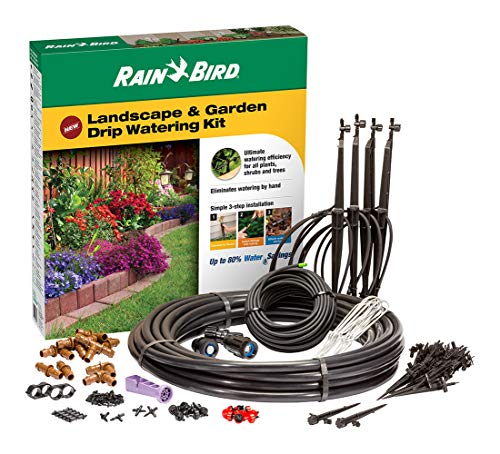
Comprehensive 108-piece kit for flower beds, gardens and landscaped areas; eliminates hand watering, saves time and money

Be a Gardening Master with the help of our superior and complete Drip Irrigation Kit: 10 Drip Irrigation Emitters Vortex + 20 Drip Emitters Spray + 50ft flexible & durable 5/16 irrigation tubing + 50ft 1/4 inch Drip Irrigation Tubing + 12 tubing coupler + 5 ¼ Tubing Tee Splitter + Tubing End Plugs + Water Connector + 1 x Complete Instructions Guide Hard Copy + 2 Grow your Own Vegetables & Fruits Guide full with pieces of advice and practical tips Digital Format.
Irrigation Techniques
When it comes to watering your raspberry plants, consistency is key. Aim to keep the soil consistently moist but not waterlogged. A good practice is to water deeply once or twice a week, especially during dry periods. Consider using drip irrigation or soaker hoses to deliver water directly to the roots while minimizing evaporation.
Managing Drainage
Proper drainage is essential for raspberry plants as they don’t like sitting in waterlogged soil. To improve drainage, plant raspberries in raised beds or amend the soil with organic matter like compost. Avoid planting in low-lying areas where water tends to accumulate. Regularly check the soil moisture levels and adjust irrigation practices accordingly to prevent waterlogging.
By implementing these irrigation techniques and managing drainage effectively, you can create an optimal environment for your raspberry plants to grow vigorously and produce bountiful harvests.
Common Challenges in Growing Raspberries
Growing raspberries can be a rewarding experience, but it comes with its set of challenges that you need to be aware of to ensure a successful harvest. Here are some common challenges you may encounter when cultivating raspberries:
Pests and Diseases
Raspberries are susceptible to various pests and diseases that can affect their growth and productivity. Some common pests that target raspberry plants include aphids, spider mites, and raspberry fruitworms. These pests can cause damage by feeding on the plant’s leaves, fruits, or stems. Additionally, diseases such as powdery mildew, root rot, and anthracnose can pose significant threats to raspberry plants if not managed effectively.
To combat these issues, it’s essential to regularly inspect your raspberry plants for any signs of pest infestation or disease development. Implementing preventive measures like maintaining good air circulation around the plants, practicing crop rotation, and using organic pesticides when necessary can help mitigate these risks.
Climatic Threats
The climate plays a crucial role in the successful cultivation of raspberries. Extreme temperatures, frost events, or prolonged periods of heavy rainfall can pose threats to raspberry plants. Frost during the flowering period can damage the delicate flowers and reduce fruit set, impacting your harvest.
To protect your raspberry plants from climatic threats, consider installing row covers or using mulch to regulate soil temperature and protect against sudden temperature fluctuations. Monitoring weather forecasts regularly will also allow you to take proactive steps such as covering your plants during frost warnings or providing adequate irrigation during dry spells.
By being vigilant about potential pests and diseases while taking proactive measures to safeguard your raspberry plants from climatic challenges, you’ll be better equipped to overcome these common hurdles in raspberry cultivation.
Conclusion
So, there you have it – the key factors for successful raspberry growth. By understanding the importance of climate, sunlight, soil quality, and proper care techniques like watering and fertilization, you can create an ideal environment for your raspberry plants to thrive. Remember to stay vigilant against common challenges such as pests and diseases by implementing preventive measures like regular inspections and timely treatments. With a little bit of attention and care, you’ll be well on your way to enjoying a bountiful harvest of delicious raspberries from your very own garden. Happy gardening!
Frequently Asked Questions
What are the ideal conditions for raspberry growth?
Raspberries thrive in climates with cool winters and moderate summers, requiring full sunlight exposure and well-draining soil rich in organic matter. Proper fertilization with balanced nutrients is crucial for healthy raspberry plants.
How should raspberries be watered?
Raspberries need consistent watering, especially during the growing season. It’s important to maintain soil moisture without overwatering to prevent root rot. Drip irrigation or soaker hoses are recommended for efficient watering.
How can gardeners protect raspberries from pests and diseases?
Regular inspection for common pests like aphids and diseases such as powdery mildew is essential. Natural predators, like ladybugs, can help control pests. Applying fungicides when necessary can prevent diseases from spreading.
What strategies can be used to protect raspberries from climatic threats?
Row covers can shield raspberry plants from frost damage, while mulching helps retain soil moisture and regulate temperature. Monitoring weather forecasts and taking preventive measures before heavy rainfall can safeguard raspberry crops.
