

Have you ever planted a lemon tree and found yourself eagerly waiting for those bright yellow fruits to appear? You’re not alone. Many new gardeners share the same excitement and impatience as they nurture their trees, dreaming of fresh lemonade and zesty dishes.
Understanding when your lemon tree will bear fruit can be tricky. Factors like the tree’s age, variety, and growing conditions all play a role. This article will guide you through the timeline and tips to encourage fruiting. By the end, you’ll feel more confident in your gardening journey and know exactly what to expect from your lemon tree.
Key Takeaways
- Growth Stages: Lemon trees undergo distinct growth stages—seedling stage (6-12 months) followed by young tree stage (2-3 years) before bearing flowers and fruit.
- Fruiting Timeline: Most lemon trees bear fruit between 3 to 5 years after planting; Meyer lemons can produce as early as 1-2 years.
- Variety Matters: Different lemon varieties like Eureka, Lisbon, and Meyer have varying fruit-bearing timelines; select the one suited to your climate for optimal results.
- Environmental Conditions: Ensure your lemon tree receives 6-8 hours of sunlight, well-draining soil with a pH of 5.5-6.5, consistent moisture, and protection from frost for healthy growth.
- Pruning and Fertilization: Regular pruning and using balanced fertilizers boost fruit production; maintain airflow and remove unhealthy branches to encourage blossoms.
- Seasonal Considerations: Lemon trees in warmer climates can produce multiple harvests year-round, while those in cooler areas typically flower once in spring.
Understanding Lemon Tree Growth Stages
Lemon trees go through distinct growth stages before bearing fruit. Each stage plays a vital role in the development of your tree.
Seedling Stage
During the seedling stage, your lemon tree starts as a small plant. At this point, it usually takes about 6 to 12 months for the tree to grow strong enough to transfer to a larger pot or garden bed. Ensure ample sunlight and water. A well-draining soil mix promotes healthy roots. Fertilizing every 4 to 6 weeks with a balanced fertilizer can encourage growth.
Young Tree Stage
In the young tree stage, your lemon tree can grow anywhere from 1 to 3 feet in height, typically taking 2 to 3 years before it starts producing flowers. This is often around the time you’ll notice the first signs of potential fruit. Keep your tree in full sun for at least 8 hours daily. Water regularly but avoid overwatering to prevent root rot. Pruning weak limbs enhances air circulation and promotes a strong structure. By ensuring these conditions, you boost your chances of enjoying delicious lemons in the future.
Factors Influencing Fruit Bearing
Several factors impact when a lemon tree bears fruit. Understanding these can help you maximize your efforts in growing a productive tree.
Recommended Products


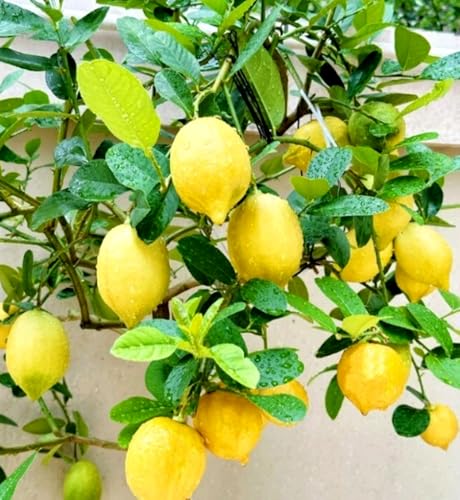
Meyer lemons are a thin-skinned hybrid fruit.
Tree Variety
Different lemon tree varieties bear fruit at varying rates. Some popular varieties include:
- Eureka: Typically starts producing within 2 to 3 years after planting. It’s known for its tart flavor.
- Lisbon: Similar to the Eureka, this variety also produces fruit within 2 to 3 years and adapts well to various climates.
- Meyer: This hybrid lemon tree bears fruit earlier, usually within 1 to 2 years, and produces sweeter, less acidic fruit.
Consider selecting a variety suited to your local climate for optimal growth and fruiting.
Environmental Conditions
Lemon trees thrive in specific environmental conditions. Key elements include:
- Sunlight: Provide full sun exposure for at least 6 to 8 hours daily. This boosts flowering and fruit set.
- Soil: Use well-draining soil with a pH level between 5.5 and 6.5. Amend the soil with organic compost to improve nutrient content.
- Watering: Maintain consistent moisture, but avoid soggy conditions. Water weekly during dry spells, adjusting frequency during rainy periods.
- Temperature: Protect your tree from frost, and ensure daytime temperatures range between 70°F and 85°F for healthy growth.
Monitoring these environmental factors can enhance your tree’s ability to produce fruit.
Typical Fruit Bearing Timeline
Lemon trees typically start bearing fruit between three to five years after planting. Factors such as tree variety, age, and care influence the timeline.
When Will a Lemon Tree Bear Fruit?
Eureka and Lisbon lemon trees often produce fruit within three to four years of planting, while Meyer lemon trees may fruit as early as two years. The tree’s health and growing conditions play significant roles. You can expect flowers to appear in spring, leading to fruit formation by summer or fall, depending on the climate.
Seasonal Variations
Seasonal changes affect fruiting cycles. In warmer climates, lemon trees may flower year-round, resulting in multiple harvests annually. In cooler areas, trees may only flower once, typically in spring. Providing consistent care, such as proper irrigation and fertilization, maximizes yields during the fruit development season. Ensuring your tree gets enough sunlight and shelter from harsh weather helps maintain its productivity throughout the year.
Care Tips for Encouraging Fruit Production
Encouraging your lemon tree to bear fruit requires attention to detail and consistent care. Follow these tips to improve your tree’s chances of producing abundant, tasty lemons.
Recommended Products

CITRUS PLANT FOOD: This avacado, mango and citrus fruit tree fertilizer feeds plants for up to 3 months and nourishes above and below the soil

Package contains 4 Pounds organic fruit and citrus fertilizer grains and is produced to avoid wasteful runoff, mess, hazards and smells

Tailored for Citrus – Specially formulated liquid fertilizer designed to support lush, upright growth and vibrant green leaves for all Sansevieria varieties.
Pruning and Maintenance
Pruning plays a vital role in promoting fruit production. Focus on removing dead or unhealthy branches, which can hinder growth. Thin out overcrowded areas to enhance airflow and sunlight penetration. Ideally, prune during the dormant season, typically late winter or early spring. Aim for a balanced shape to encourage a strong structure. A well-maintained tree can support more blossoms, leading to fruitful harvests.
Regularly inspect your tree for pests or diseases. If you notice any issues, address them promptly to avoid further damage. Keep the base of the tree clean by removing fallen leaves and debris, which can harbor pests.
Fertilization Techniques
Fertilizing your lemon tree appropriately fuels its growth and fruiting potential. Use a balanced fertilizer formulated for citrus trees. Opt for a slow-release formula to provide consistent nutrients over time. Apply the fertilizer in early spring, just before active growth begins. Follow the manufacturer’s instructions for the correct dosage based on your tree’s size.
Additionally, consider organic options like compost or well-rotted manure. These improve soil structure and provide essential nutrients. Apply organic materials in the spring and summer to enhance soil fertility.
Watering also impacts fruit production. Ensure your tree receives adequate moisture, especially during dry spells. Water deeply but infrequently to encourage strong root development. Always check the soil moisture before watering to prevent overwatering, which can lead to root rot.
By pruning correctly and fertilizing effectively, you’ll enhance your lemon tree’s health and boost its chances of bearing juicy fruit.
Conclusion
Growing a lemon tree can be a rewarding journey filled with patience and care. While the timeline for fruiting varies based on several factors, your commitment to nurturing your tree will pay off in the long run.
Remember that each stage of growth is essential and that proper sunlight, watering, and fertilization can make a significant difference. With the right attention and love, you’ll soon find yourself enjoying the fruits of your labor, literally.
So keep tending to your lemon tree, and soon enough, you’ll be savoring the taste of freshly picked lemons right from your backyard. Happy gardening!
Frequently Asked Questions
How long does it take for a lemon tree to bear fruit?
Lemon trees typically take about 3 to 4 years to bear fruit, depending on the variety. Meyer lemon trees may produce fruit as early as 2 years after planting, while Eureka and Lisbon varieties often take longer. Various factors, like tree health and environmental conditions, can also impact fruiting timelines.
What are the best conditions for growing lemon trees?
Lemon trees thrive in full sun with well-draining soil. They require regular watering, but be cautious of overwatering, which can harm the roots. Fertilizing with a balanced fertilizer and ensuring good airflow around the tree also contribute to healthy growth and increased fruit production.
How can I encourage my lemon tree to produce fruit?
To promote fruiting, ensure your lemon tree receives proper sunlight, regular deep watering, and appropriate fertilization. Pruning dead or overcrowded branches can improve air circulation and overall health. Additionally, maintaining a consistent care routine and monitoring for pests will help maximize fruit production.
What are the common varieties of lemon trees?
Popular lemon tree varieties include Eureka, Lisbon, and Meyer. Eureka and Lisbon typically produce fruit within 3 to 4 years, while Meyer lemons can fruit as early as 2 years. Each variety has distinct characteristics and fruiting timelines, so choose one that suits your climate and needs.
Do seasonal changes affect lemon tree fruiting?
Yes, seasonal changes do affect lemon tree fruiting. In warmer climates, lemon trees may flower year-round, leading to multiple annual harvests. In cooler regions, flowering often occurs in spring, resulting in a single harvest. Providing consistent care and adapting to seasonal conditions can help maintain productivity.
