

Growing walnut trees in pots in Idaho is feasible, even in cold climates. Selecting the right potting mix and ensuring proper care will enable successful growth and nut production.
Choosing Ideal Walnut Varieties for Cold Climates
Choosing the right walnut tree variety is crucial for success in Idaho’s cold climate. Some varieties are better suited for container growth and can tolerate lower temperatures. Look for varieties like the English walnut or Northern California black walnut, known for their adaptability.
Recommended Products

MULTIPLE VARIETIES AVAILABLE: Premium fig tree varieties including Brown Turkey, Celeste, Chicago Hardy, and Black Mission depending on availability, all producing sweet, delicious figs for fresh eating or drying

RAPID GROWTH RATE: This variety is famous for its ability to grow quickly, often adding several feet of height per year once established. These vigorous starters are a top choice for those who want a functional landscape piece that provides a fresh look and wide-reaching shade in a shorter amount of time.

Receive a American Black Walnut tree, standing 6-12 inches tall and potted in a 4-inch pot.
Best Walnut Varieties for Container Growth
When selecting walnut varieties for container growth in Idaho’s cold climate, it’s essential to choose those that thrive in limited space while withstanding lower temperatures. Certain types not only adapt well to pot culture but also produce quality nuts, making them ideal for gardeners looking to maximize their yields in challenging conditions. Understanding these varieties can enhance both the aesthetic and functional aspects of your garden.
When selecting walnut trees for potting, consider the following options:
| Variety | Cold Hardiness | Growth Rate | Pot Size Recommendation |
|---|---|---|---|
| English Walnut | USDA Zones 5-9 | Moderate | 15-20 gallons |
| Northern California Black Walnut | USDA Zones 6-9 | Fast | 20-25 gallons |
| Carpathian Walnut | USDA Zones 4-8 | Moderate | 15-20 gallons |
| Persian Walnut | USDA Zones 6-9 | Slow | 20-25 gallons |
Ideal Potting Mix for Walnut Trees
Selecting the right potting mix is crucial for the health and growth of walnut trees, especially in Idaho’s cold climate. The ideal mix should provide adequate drainage, aeration, and nutrients to support these trees as they adapt to container life. Understanding the specific requirements will help ensure robust growth and fruit production.
Creating the right potting mix is essential for healthy walnut tree growth. A well-draining mix will prevent root rot while providing necessary nutrients. Use a blend of potting soil, perlite, and compost for optimal results.
Recommended Products

INDOOR GROWING: Growing indoors is easy under the right conditions; Miracle-Gro Houseplant Potting Mix is an indoor plant potting soil that combines key elements container plants need to thrive

Package Includes: You will get 4 quarts of coarse perlite, these are evenly sized and perfect for adding to potting soil for potted plants or as pavement for succulents to keep your plants looking nice and clean, it is essential for precise cactus mixes or carnivorous plant soils as it pulls water away efficiently

[Enhanced Soil Aeration] - Perlite improves soil aeration, allowing roots to access oxygen more efficiently, which is crucial for healthy plant growth.
Potting Mix Components for Cold Climates
Selecting the right potting mix is crucial for successfully growing walnut trees in Idaho’s cold climate. The unique challenges posed by lower temperatures and varying moisture levels necessitate a careful blend of components to ensure optimal growth and health. Understanding these ingredients will help you create a suitable environment for your walnut trees to thrive.
Consider the following components for your potting mix:
Potting Soil: Provides a base for nutrients.
Perlite: Enhances drainage and aeration.
Compost: Adds organic matter and nutrients.
Lime: Adjusts pH levels for optimal growth.
Pot Size and Material for Walnuts
Choosing the right pot size and material is crucial for successfully growing walnut trees in Idaho’s cold climate. The pot must provide adequate space for root development while also offering insulation against temperature fluctuations. Understanding these factors will help ensure your walnut trees thrive in a container environment.
Choosing the correct pot size and material is vital for walnut trees. A larger pot allows for root expansion and better moisture retention. Opt for materials like ceramic or plastic that insulate roots against temperature fluctuations.
Recommended Products

Design: Our nursery flower pots feature a wide rim design. This design not only makes them easy to carry and stack but also effectively optimizes space utilization, making the arrangement of plants neater and more orderly.

Compact Yet Sturdy Design: Introducing our 21″ by 17.5″ rounded square rolling planter pot-a small powerhouse perfect for your patio. Despite its size, this planter boasts heavy-duty locking wheels, robust frames, and exceptional drainage holes for watering.
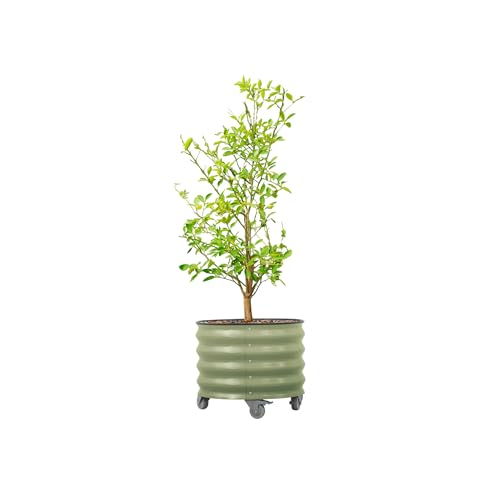
Compact Yet Sturdy Design: Introducing our 21″ by 17.5″ rounded square rolling planter pot-a small powerhouse perfect for your patio. Despite its size, this planter boasts heavy-duty locking wheels, robust frames, and exceptional drainage holes for watering.
Ideal Pot Dimensions for Walnut Trees
When cultivating walnut trees in pots, selecting the right dimensions is crucial for their growth and health, especially in Idaho’s cold climate. The ideal pot size ensures adequate space for root development while providing stability against harsh weather conditions. Understanding these dimensions can significantly enhance the success of growing walnut trees in containers.
Use the following guidelines for pot sizes:
| Tree Age | Pot Size Recommendation |
|---|---|
| 1-2 years | 15-20 gallons |
| 3-5 years | 20-25 gallons |
| 5+ years | 25-30 gallons |
Walnut Tree Care: Watering and Fertilizing
Caring for walnut trees in pots requires a keen understanding of their specific needs, especially in Idaho’s cold climate. Proper watering and fertilizing are essential to ensure healthy growth and fruit production. This section delves into effective techniques for maintaining optimal soil moisture and nutrient levels for potted walnut trees.
Proper watering and fertilizing techniques are essential for growth. Walnut trees require consistent moisture, especially during the growing season. Use a balanced fertilizer to support healthy development.
Pot Watering Techniques for Cold Climates
Successfully growing walnut trees in pots in Idaho requires careful attention to watering techniques, especially in cold climates. Proper moisture management is crucial for promoting healthy growth and preventing root damage during harsh winters. This section explores effective watering strategies tailored to the unique challenges posed by Idaho’s cold weather conditions.
Follow these watering practices:
Frequency: Water when the top inch of soil feels dry.
Amount: Ensure thorough soaking without waterlogging.
Seasonal Adjustments: Reduce watering in winter months.
Potting Fertilization Schedule for Walnuts
Establishing a successful potting fertilization schedule for walnut trees in Idaho’s cold climate is essential for their growth and productivity. This section outlines the specific nutrient requirements and timing needed to ensure these trees thrive in pots, addressing the unique challenges posed by the region’s weather conditions. Proper fertilization will enhance root development and overall health, leading to a fruitful harvest.
Implement the following fertilization plan:
Early Spring: Apply a balanced fertilizer.
Mid-Summer: Use a slow-release fertilizer.
Fall: Avoid fertilizing to prepare for dormancy.
Winter Protection Strategies for Potted Walnuts
Successfully growing walnut trees in pots in Idaho requires careful attention to winter protection strategies. As temperatures drop, these trees face unique challenges that can threaten their health and vitality. Implementing effective methods to shield potted walnuts from harsh winter conditions is essential for ensuring their survival and promoting robust growth in the spring.
Idaho’s winters can be harsh on walnut trees. Implementing protective measures can help ensure survival through the cold months. Consider using frost blankets or moving pots to sheltered locations.
Walnut Tree Winter Protection Techniques
In Idaho’s cold climate, protecting potted walnut trees during winter is essential for their survival and growth. This section explores effective techniques to shield these trees from harsh temperatures and frost, ensuring they remain healthy and thrive despite the challenges posed by the winter season. Implementing these strategies will help gardeners maintain robust walnut trees year-round.
Utilize these methods to protect your walnut trees:
Insulate Pots: Wrap pots with burlap or foam.
Mulch: Apply a layer of mulch to retain soil warmth.
Shelter: Move pots against a south-facing wall for warmth.
Pest and Disease Management for Walnuts
Managing pests and diseases is crucial for the health of walnut trees grown in pots, especially in Idaho’s cold climate. This section outlines common threats to walnut trees and effective strategies to mitigate these issues, ensuring robust growth and fruitful harvests. Understanding these challenges will help you maintain thriving walnut trees in your garden.
Regularly check for pests and diseases that can affect walnut trees. Common issues include aphids, crown gall, and powdery mildew. Early detection is key to effective management.
Identifying Walnut Tree Pests in Idaho
Understanding the pests that affect walnut trees is crucial for successful cultivation, especially in Idaho’s unique climate. This section will explore the common pests that threaten walnut trees, detailing their identification and the potential impact on tree health. By recognizing these pests early, growers can take proactive measures to protect their trees.
Keep an eye out for these pests:
| Pest | Symptoms | Control Method |
|---|---|---|
| Aphids | Leaf curling | Insecticidal soap |
| Crown Gall | Swellings on roots | Remove infected roots |
| Powdery Mildew | White powdery spots | Fungicide application |
Best Practices for Potting Walnut Trees
Potting walnut trees in Idaho’s cold climate requires careful attention to specific practices that ensure their health and growth. Understanding the unique needs of these trees, from soil selection to pot size, can make a significant difference in their success. This section outlines the best strategies for effectively potting walnut trees to thrive in challenging conditions.
Potting walnut trees in Idaho requires careful selection of variety, potting mix, and protective measures. Regular monitoring and proper care will yield healthy trees and a fruitful harvest.
