

Have you ever admired the stunning blossoms of a flowering peach tree and wondered if they actually produce fruit? You’re not alone. Many people enjoy these beautiful trees for their vibrant flowers but are curious about their fruit-bearing potential.
If you’ve planted a flowering peach tree in your yard, you might be hoping for sweet peaches to enjoy in the summer. Understanding the differences between flowering varieties and fruiting ones can help you make the right choice for your garden. This article will clarify whether flowering peach trees bear fruit and what you need to know to cultivate a fruitful peach tree in your landscape.
Key Takeaways
- Flowering vs. Fruiting Peach Trees: Flowering peach trees, such as Prunus persica var. nucipersica, are primarily ornamental and do not produce edible fruit, unlike fruiting varieties like Elberta and Georgia Belle.
- Growth Characteristics: Flowering peach trees feature vibrant blooms and can grow 15 to 25 feet tall, adding beauty to landscapes but lacking fruit-bearing capability.
- Choosing the Right Variety: To cultivate peaches, select a fruiting variety and ensure good health and optimal growing conditions, including sufficient sunlight and well-drained soil.
- Pollination Importance: Successful fruit production in fruiting peach trees often requires cross-pollination and attracting pollinators like bees, making planting multiple compatible varieties beneficial.
- Environmental Benefits: Flowering peach trees enhance gardens not just with beauty but also by supporting pollinator habitats, improving air quality, and preventing soil erosion.
- Myth-Busting: Many misconceptions exist regarding the fruit production of flowering peach trees; it’s essential to understand that only specific varieties yield peaches while the flowering types focus on aesthetics.
Understanding Flowering Peach Trees
Flowering peach trees are prized for their stunning blooms. While they’re often sought for their ornamental beauty, many wonder if these trees produce fruit.
Recommended Products

Container Size and Planting: Comes in a 5-gallon nursery pot, providing an established root system ready for transplanting into your garden or maintaining in a larger decorative container

VIBRANT ROSY-PINK BLOOMS: This variety is famous for its ability to produce a massive display of elegant, four-petaled pink flowers in early spring. These iconic blossoms can add a high-impact look and bring a touch of sophisticated charm to your favorite outdoor location as one of the first signs of the season.

[Lush Double Blooms in Mixed Shades] Produces clusters of fully double flowers with 10-30 petals per bloom. Flowers appear in a range of shades from soft pink to rich rose. Each branch becomes covered in cascading floral clusters.
Characteristics of Flowering Peach Trees
Flowering peach trees feature vibrant pink or white blossoms that adorn their branches in early spring. These trees typically reach heights of 15 to 25 feet, making them a striking addition to your garden. The leaves are narrow and lance-shaped, turning a beautiful yellow or reddish hue in the fall. Growth rates vary, with some trees adding significant height each year, while others grow more slowly. Understanding their characteristics aids in selecting the right variety for your landscape.
Differences Between Varieties
Not all peach trees produce fruit. There are two main categories: flowering peach trees and fruiting peach trees. Flowering varieties, such as Prunus persica var. nucipersica, primarily focus on ornamental appeal. They blossom abundantly but do not bear edible fruit. Fruiting varieties, like Elberta and Georgia Belle, produce sweet peaches. When choosing a peach tree, consider your goals—ornamental beauty versus fruit production— to ensure you select the right type for your garden.
Fruit Production in Flowering Peach Trees
Flowering peach trees do not produce edible fruit. Instead, they focus on ornamental beauty, showcasing vibrant blooms without the fruiting capability seen in specific peach tree varieties. Understanding this distinction is crucial for those looking to cultivate a peach tree for fruit.
Recommended Products

Let our professionally formulated plant food help your fruit tree grow healthy, strong AND abundantly producing

Golden Red Peach tree seedling, approximately 6-9 inches tall, shipped growing in a half-gallon pot and ready for transplanting into containers, gardens, or small orchards.

BEGINNER-FRIENDLY & EASY TO GROW – Perfect for first-time bonsai growers, simple planting and care instructions
Factors Affecting Fruit Production
Fruiting peach trees generate fruit based on several key factors:
- Tree Variety: Choose a fruiting variety, like Elberta or Georgia Belle, for sweet peaches. Flowering varieties won’t yield fruit.
- Tree Health: Healthy trees, free from disease or pests, bear more fruit. Regularly inspect your trees to ensure they thrive.
- Growing Conditions: Optimal sunlight, well-drained soil, and proper watering contribute to fruit production. Aim for at least six hours of direct sunlight daily.
- Care Practices: Pruning helps maintain tree structure, promotes air circulation, and enhances fruit yield. Follow appropriate pruning techniques for the specific variety.
Pollination Requirements
Pollination plays a significant role in fruit production:
- Cross-Pollination: Many fruiting peach varieties require cross-pollination to set fruit. Plant different compatible varieties nearby to improve your chances of successful fruiting.
- Pollinator Activity: Enhance pollination by attracting bees and other pollinators to your garden. Plant flowers like lavender or sunflowers nearby.
- Weather Conditions: Weather impacts pollination success. Ensure your trees bloom when pollinators are active, typically in spring.
By considering these factors and understanding pollination requirements, you’ll increase the chances of cultivating a fruitful peach tree successfully.
Benefits of Flowering Peach Trees
Flowering peach trees provide more than just stunning blooms; they enhance your garden and surroundings significantly.
Recommended Products

Abundant Seed Collection: This package includes 285 premium mixed tree rose seeds, providing you with an extensive quantity to create a stunning display of colorful roses throughout your garden, patio, or outdoor living spaces
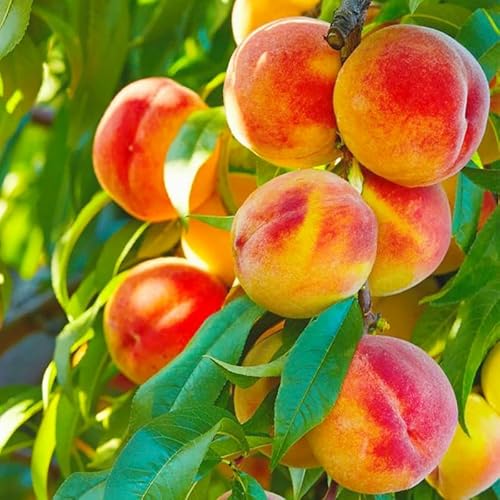
Peach trees produce fruit with multiple applications. The fruit can be enjoyed fresh and is also suitable for making jams, preserves, pies, and fruit salads.
Aesthetic Appeal
Flowering peach trees boast vibrant pink or white blossoms that create a striking visual display in your landscape. These trees typically bloom in early spring, transforming spaces into colorful havens. They serve as focal points in gardens or can complement other landscape features. You can use them in flower borders or as standalone specimen trees to draw attention. The combination of their elegant flowers and attractive fall foliage makes them a year-round asset in your garden.
Environmental Contributions
Flowering peach trees contribute positively to the environment. They provide habitat and food for various pollinators, such as bees and butterflies, which are essential for ecological balance. Their blossoms attract these beneficial insects, promoting biodiversity in your area. Additionally, these trees improve air quality by absorbing carbon dioxide and releasing oxygen. Planting flowering peach trees can also help prevent soil erosion, as their root systems stabilize the soil. Incorporating them into your landscape not only beautifies your space but also supports local ecosystems.
Common Misconceptions
Understanding flowering peach trees can clarify many misconceptions about their capabilities, especially regarding fruit production.
Myths Surrounding Fruit Production
Many people believe that flowering peach trees produce edible fruit, but this isn’t true. Common myths include:
- Flowering trees yield fruit: Flowering peach trees focus on stunning blossoms. They don’t set or produce peaches.
- All peach trees bear fruit: Each tree variety has specific characteristics. Only fruiting peach varieties, such as Elberta or Georgia Belle, offer fruit.
- Fruiting and flowering trees are similar: Fruiting varieties are cultivated for their edible peaches. Flowering types prioritize ornamental beauty.
Clarifying The Reality
Flowering peach trees create beautiful landscapes but lack the capacity for fruit production. Knowing the differences aids in selecting the right tree.
- Identifying varieties: Check labels when purchasing. Look for terms like “ornamental” for flowering trees.
- Planting location: Choose a space that supports your gardening goals. If you want fruit, select appropriate fruiting varieties instead.
- Caring for trees: Fertilize and prune fruiting trees to enhance their productivity, while flowering trees require different care focusing on aesthetics.
By dispelling myths and recognizing the facts, you can make informed decisions about the peach trees you choose for your garden.
Conclusion
Flowering peach trees can add a stunning touch to your garden with their beautiful blossoms. While they won’t provide you with delicious peaches, their vibrant flowers and foliage can create a lovely atmosphere. If you’re looking for fruit, consider choosing a fruiting peach variety that meets your needs.
Understanding the differences between flowering and fruiting trees is key to achieving your gardening goals. Whether you’re drawn to their ornamental beauty or aiming for homegrown fruit, knowing what to expect will help you create the perfect space. Enjoy the process of selecting and caring for your trees, and let your garden flourish!
Frequently Asked Questions
Do flowering peach trees produce fruit?
Flowering peach trees do not produce edible fruit. They are primarily grown for their stunning blossoms and ornamental value. In contrast, fruiting peach trees are bred to yield sweet peaches.
What is the difference between flowering and fruiting peach trees?
Flowering peach trees are ornamental, showcasing beautiful blooms in spring, while fruiting peach trees are cultivated to produce peaches. It’s essential to know which type you have to meet your gardening goals.
How tall do flowering peach trees grow?
Flowering peach trees typically reach heights of 15 to 25 feet. Their growth can vary based on the specific variety and growing conditions.
What factors affect fruit production in peach trees?
Fruit production in peach trees depends on tree variety, overall health, growing conditions, and proper care practices like pruning. Pollination also plays a critical role in fruiting success.
How can I ensure my fruiting peach tree produces fruit?
To enhance fruit production, choose the right fruiting variety, ensure good health through proper care, and attract pollinators to your garden, as many varieties require cross-pollination.
Are flowering peach trees good for the environment?
Yes, flowering peach trees enhance the environment by providing habitats for pollinators, improving air quality, and helping prevent soil erosion, in addition to their aesthetic beauty.
Can I plant flowering peach trees next to fruiting ones?
Yes, you can plant flowering peach trees alongside fruiting varieties. The former adds beauty to your landscape while fruiting trees focus on producing peaches. Just ensure they have adequate space and resources.
