

Have you ever admired the stunning blooms of ornamental cherry trees and wondered if they produce fruit? You’re not alone. Many people enjoy these beautiful trees for their vibrant flowers but may not realize that their fruiting capabilities can vary significantly.
Understanding whether ornamental cherry trees bear fruit can help you decide if they’re the right addition to your garden. In this article, we’ll explore the differences between ornamental and fruiting cherry trees, and what you can expect from these lovely plants. By the end, you’ll have a clearer picture of their fruiting potential and how it fits into your landscape plans.
Key Takeaways
- Ornamental cherry trees primarily produce stunning blossoms and are mainly valued for their aesthetic appeal rather than fruit.
- Most varieties, like Prunus serrulata and Prunus subhirtella, do not bear significant amounts of edible fruit; any produced is generally small and non-edible.
- Understanding the differences between ornamental and fruiting cherry trees helps gardeners choose the best fit for their landscape.
- Factors influencing fruit development in ornamental cherries include genetic makeup, tree health, age, and environmental conditions, such as soil quality and sunlight.
- Successful fruiting may depend on pollinator presence and genetic diversity, often requiring compatible varieties nearby for effective cross-pollination.
- Ornamental cherry fruits are typically not palatable or nutritious, making them unsuitable for culinary uses; gardeners seeking fruit should consider dedicated fruiting cherry varieties instead.
Overview of Ornamental Cherry Trees
Ornamental cherry trees primarily serve aesthetic purposes, celebrated for their stunning blossoms. These trees belong to several species, such as Prunus serrulata and Prunus subhirtella. You can find them in parks, gardens, and streets, providing vibrant colors during spring.
You’ll notice that ornamental cherry trees typically do not bear the delicious fruits associated with fruiting cherry trees. While some varieties may produce small, non-edible fruits, the fruiting potential remains minimal. Examples include the Yoshino cherry, which showcases beautiful blossoms but seldom yields fruit.
Understanding their characteristics helps you make informed decisions for your landscape. If you’re looking for visual appeal and seasonal interest without the hassle of maintaining fruit, ornamental cherry trees fit well in your garden. For those interested in growing fruit, consider other cherry varieties that prioritize fruit production.
Types of Ornamental Cherry Trees
Ornamental cherry trees come in various types, each with unique features and appearances. Understanding different varieties helps you choose the right tree for your garden.
Recommended Products

For sale is one Weeping Cherry tree that is approximately 6-12" tall and shipped in a 3" pot


WHAT YOU WILL RECEIVE: 2 Cherry Blossom Tree live plant, arrived as a young starter tree 6-12" tall, suitable for transplanting into garden beds or outdoor containers.
Popular Varieties
- Prunus serrulata: Known as the Japanese cherry, it’s famous for its stunning pink blossoms. This variety thrives in full sun and prefers well-drained soil.
- Prunus subhirtella: Commonly referred to as the Higan cherry, it blooms in early spring. Its flowers are delicate, featuring a pale pink hue, which adds elegance to any landscape.
- Prunus cerasifera: Often called the Cherry Plum, this variety produces pink flowers followed by small reddish-purple fruits. While its fruit is edible, it’s mostly sour and typically not consumed.
- Prunus x yedoensis: Known as the Yoshino cherry, it’s notable for its prolific white to pale pink flowers. This variety is well-suited for parks and larger gardens.
Characteristics and Differences
Ornamental cherry trees differ significantly in appearance and growth habits. Key characteristics include:
- Flower Color: Varieties range from white to deep pink flowers.
- Bloom Time: Flowering occurs from early spring to late spring, depending on the variety. Some bloom earlier, while others may bloom later.
- Height: Varieties vary in height, with some reaching up to 30 feet tall, while others remain under 15 feet.
- Foliage: Leaf shapes and colors differ, with most featuring green leaves that turn vibrant shades in fall.
Understanding these characteristics helps you select the best ornamental cherry tree to fit your landscape vision and maintenance preferences.
Do Ornamental Cherry Trees Bear Fruit?
Ornamental cherry trees are primarily known for their beautiful blooms rather than fruit production. Most varieties, like Prunus serrulata and Prunus subhirtella, don’t produce significant amounts of edible fruit. Some may yield small, non-edible fruits, but these are generally not a focal point for gardeners. Understanding the factors affecting fruit development and the conditions for successful pollination can clarify why these trees focus on flowers over fruit.
Recommended Products
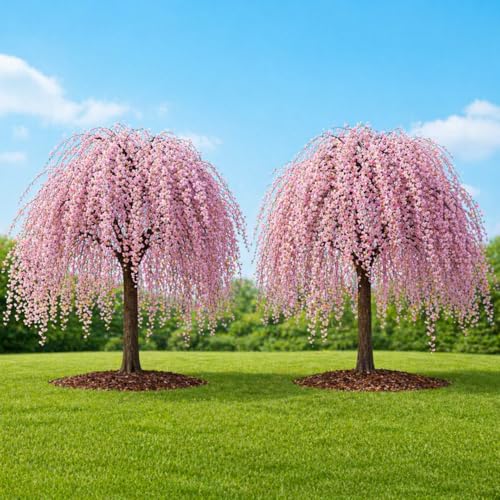
WHAT YOU WILL RECEIVE: 2 Cherry blossom tree live plant approximately 6 - 12 inches tall, prepared for transplanting into garden soil or outdoor containers


Each offer includes one plant grown in a 4 inch pot
Factors Affecting Fruit Development
Several factors influence whether ornamental cherry trees will develop fruit:
- Genetic Makeup: Different species and varieties vary in fruiting capabilities. Most ornamental types are bred for aesthetics rather than fruit.
- Tree Health: Healthy trees are more likely to bear fruit. Proper watering, fertilization, and pest management play crucial roles in maintaining health.
- Age of the Tree: Younger trees may not produce fruit. Maturity often triggers fruiting, making age a key factor.
- Environmental Conditions: Factors like soil quality, light exposure, and climate affect fruit development. Poor soil or insufficient sunlight limits fruit production.
Conditions for Successful Pollination
Successful pollination is essential for any fruit development:
- Pollinator Presence: Bees and other pollinators are vital. Planting nearby flowers can attract them, increasing the chances of cross-pollination.
- Genetic Diversity: Many ornamental cherry trees require a different variety nearby for effective cross-pollination. Choosing multiple compatible varieties boosts fruit potential.
- Weather Conditions: Ideal temperatures during flowering contribute to pollination success. High winds or heavy rains can hinder pollinator activity.
By focusing on these factors, you can maximize the chances of any fruit development in your ornamental cherry trees.
Edibility of Ornamental Cherry Tree Fruit
Ornamental cherry trees typically produce small fruits that aren’t known for their edibility. Most varieties have low nutritional value and unpleasant tastes that deter consumption. While certain species might yield tiny, non-edible cherries, these fruits often lack appeal.
Recommended Products

4 kinds of the most popular fruits, individually packaged, 50pcs Lemon seeds 50pcs Cherry seeds 50pcs Orange seeds 50pcs Apple seeds Fresh seeds, all fruit seeds are packed in tear and moisture resistant zipper sealed bags for your long term storage.

MATURE SIZE & CARE GUIDE: The Red Jamaican Cherry (Strawberry Tree) - Muntingia calabura reaches an impressive mature height of 25 to 40 feet, thriving in full to part sun and exhibiting remarkable drought tolerance. Perfect for USDA Hardiness Zones 10-11, this tree combines ease of care with majestic beauty, making it an ideal choice for both novice and experienced garden enthusiasts.

Nutritional Value
Ornamental cherry tree fruits contain minimal nutrients. They may offer trace amounts of vitamins like Vitamin C and fiber, but their quantity and taste make them unpalatable. Compared to fruiting cherry varieties, which boast rich flavors and diverse nutrients, ornamental cherries fall short. The focus of these trees remains on their striking blossoms rather than nutritional benefits.
Culinary Uses
Culinary applications for ornamental cherry tree fruits are very limited. Some people occasionally use the fruits in ornamental displays or as decorations, but consumption remains uncommon. Due to their sour taste and small size, they don’t suit recipes. Some gardeners forage for unique uses, but the lack of flavor often leads to disappointment. It’s generally better to invest in fruiting cherry trees for culinary purposes, as they provide delicious, usable cherries for pies, jams, and desserts.
Conclusion
Ornamental cherry trees are a beautiful addition to any garden with their stunning blossoms and vibrant colors. While they may produce small fruits, these aren’t typically edible or flavorful. If you’re looking for delicious cherries to enjoy in your kitchen, you might want to consider fruiting cherry trees instead.
By understanding the differences between ornamental and fruiting varieties, you can make informed choices that align with your gardening goals. Whether you want to enhance your landscape with gorgeous blooms or grow tasty cherries, there’s a perfect tree out there for you. Happy gardening!
Frequently Asked Questions
What are ornamental cherry trees?
Ornamental cherry trees are primarily cultivated for their beautiful blossoms and vibrant colors in spring rather than for fruit production. Varieties include Prunus serrulata and Prunus subhirtella, which are known for stunning flowers.
Do ornamental cherry trees produce fruit?
Generally, ornamental cherry trees do produce small fruits, but these are mostly non-edible. Their primary appeal lies in their ornamental value rather than fruit-bearing capabilities.
Are the fruits of ornamental cherry trees edible?
While some ornamental cherry trees may bear small fruits, they are typically sour and unappealing, making them unsuitable for eating or cooking.
What factors affect fruit development in ornamental cherry trees?
Fruit development can be influenced by genetic makeup, tree health, age, and environmental conditions. Successful pollination also relies on factors like pollinator presence and weather conditions.
How do ornamental cherry trees differ from fruiting cherry trees?
Ornamental cherry trees are valued for their stunning blooms, while fruiting cherry trees (like Prunus avium) are grown primarily for their delicious, edible fruit. Ornamental varieties may produce some fruit, but it’s not palatable.
Which are popular types of ornamental cherry trees?
Popular types include Prunus serrulata (Japanese cherry), Prunus subhirtella (Higan cherry), Prunus cerasifera (Cherry Plum), and Prunus x yedoensis (Yoshino cherry), each with unique blooms and characteristics.
Why choose ornamental cherry trees for gardening?
Ornamental cherry trees enhance landscape design with their vibrant flowers and foliage. They can create stunning displays in gardens and parks, making them ideal for visual appeal rather than fruit production.
