

Have you ever wondered when mango trees will finally reward you with their sweet, juicy fruit? If you’ve planted one in your backyard or just dream of having a mango tree, knowing when to expect those delicious treats can be exciting yet frustrating.
Key Takeaways
- Mango Tree Maturity: Mango trees typically begin to produce fruit between 3 to 6 years after planting, influenced by tree variety and care conditions.
- Flowering Cycle: Mango trees bloom between late winter and early spring, producing fragrant flowers that are essential for fruit development.
- Fruit Ripening: After pollination, mangoes usually take 3 to 6 months to mature, transitioning from small green fruits to their characteristic colors.
- Optimal Care Practices: Consistent watering, balanced fertilization, and regular pruning are crucial for encouraging healthy growth and fruit production.
- Varietal Differences: Different mango varieties have unique timelines for fruit production, ranging from 3 to 7 years, impacting expectations and care requirements.
- Environmental Factors: Temperature, water availability, soil quality, and tree age all significantly influence the flowering and fruiting process of mango trees.
Understanding Mango Trees
Mango trees (Mangifera indica) thrive in tropical and subtropical climates. You can find them in regions with warm temperatures, plenty of sunlight, and well-draining soil. Understanding the characteristics of mango trees helps you care for them effectively.
Recommended Products

Comes in 5 lb. bag of granules

Let our professionally formulated plant food help your fruit tree grow healthy, strong AND abundantly producing

Let our professionally formulated plant food help your fruit tree grow healthy, strong AND abundantly producing
Tree Growth and Maturity
Mango trees grow quite large, reaching heights of 30 to 100 feet. They typically start producing fruit between 3 to 6 years after planting. Various factors, such as tree variety, environmental conditions, and care practices, influence when you’ll see your first mangoes.
Flowering Cycle
Mango trees have a distinct flowering cycle. They generally bloom between late winter and early spring. During this time, clusters of small, fragrant flowers form. These flowers are crucial for fruit development. Pollination occurs naturally with the help of insects, particularly bees.
Fruit Development
Once pollination occurs, the fruit begins to develop. The time from flowering to fruit ripening typically takes 3 to 6 months. You might notice small, green mangoes appear after the flowers drop. They’ll gradually change color as they ripen.
Best Practices for Fruit Production
To encourage fruit production, consider these practices:
- Watering: Maintain consistent moisture, but avoid waterlogging. Deep watering promotes healthy root systems.
- Fertilizing: Use a balanced fertilizer during the growing season to provide the necessary nutrients. Opt for a fertilizer with high potassium for enhanced fruit production.
- Pruning: Regularly prune the tree to remove dead or crowded branches. This improves air circulation and sunlight exposure, benefiting overall health and fruit yield.
Understanding these key aspects will help you nurture your mango trees and anticipate the joy of harvesting their delicious fruit.
Lifecycle of Mango Trees
The lifecycle of mango trees consists of distinct stages that guide them from seed to fruit-bearing maturity. Each stage plays a critical role in ensuring the health and productivity of your mango tree.
Germination Stage
Germination begins when you plant mango seeds. This stage requires warm temperatures, often between 70°F and 85°F. Keep the soil moist but not soggy. Typically, seeds sprout within 2 to 3 weeks. Look for the appearance of a small root and green shoot. Successful germination sets the foundation for healthy growth.
Growth Stage
During the growth stage, your mango tree can reach impressive heights. Expect it to grow rapidly, reaching 1 to 3 feet in its first year. This stage lasts several years. Providing adequate sunlight, water, and nutrients is essential. Fertilize with balanced fertilizers every few months to support robust growth. Regular pruning encourages a strong structure and encourages better fruit production in the future.
As your tree matures, monitor its health closely. With proper care, it’ll eventually enter the flowering stage, leading to fruit development.
Flowering Process
The flowering process of mango trees marks a pivotal stage in their lifecycle when they prepare to produce fruit. This phase typically occurs between late winter and early spring.
Recommended Products

Produce abundant and vibrant fruit and blooms! This product works by strengthening your plant's roots to increase nutrient uptake… enabling it to bloom and produce like you've never seen!

Produce abundant and vibrant fruit and blooms! This product works by strengthening your plant's roots to increase nutrient uptake… enabling it to bloom and produce like you've never seen!
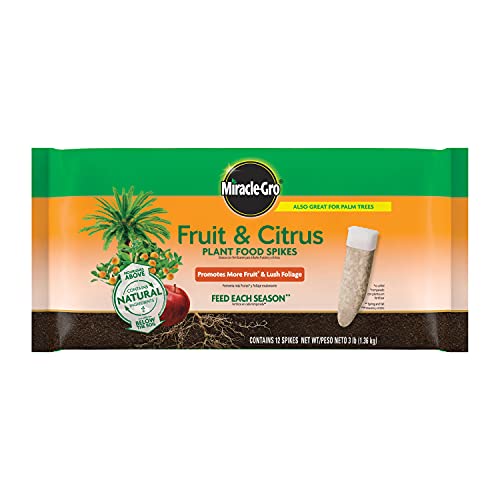
FORMULATED FOR CITRUS AND FRUIT TREES: Use these citrus fertilizer spikes on apple, orange, lemon, lime, and avocado trees; this formula is also great for feeding palm trees
Factors Affecting Flowering
Several factors influence the flowering of mango trees. Understanding these can help you enhance your tree’s performance:
- Temperature: Mango trees thrive in warm temperatures. Ideal conditions range from 70°F to 100°F. Cooler nights can trigger flowering.
- Watering: Consistent watering during the growing season supports healthy growth, while reduced water before blooming can stimulate flowering.
- Soil Quality: Well-draining soil rich in organic matter promotes strong root systems, impacting overall health and flowering capabilities.
- Tree Age: Younger trees may struggle to bloom, while mature trees show better flowering consistency.
- Nutrition: Balanced fertilization ensures that your mango tree receives essential nutrients, influencing its flowering potential.
Pollination and Fertilization
Pollination plays a crucial role in fruit development after blooming. Here’s how it works:
- Self-Pollination: Mango trees can self-pollinate, as they possess both male and female flowers. Sufficient pollination increases fruit set.
- Pollinators: Bees and other insects help in transferring pollen from the anthers to the stigmas, enhancing the likelihood of fertilization.
- Fertilization Process: Once pollination occurs, the fertilized ovules develop into fruit. Adequate moisture during this stage is vital for healthy growth and ripening.
- Timeframe: Post-pollination, mangoes typically take 3 to 6 months to ripen, transitioning from tiny green fruits to their signature colors.
By focusing on these elements, you can create an optimal environment for flowering and fruit production in your mango trees.
When Do Mango Trees Produce Fruit
Mango trees produce fruit based on various factors, including age, climate, and care practices. Knowing these details helps you anticipate the sweet rewards of your efforts.
Recommended Products

Mango is a low-calorie fruit that is high in fiber, and is a great source of vitamins A and C


NATURAL LIP CARE: 4 Tubes of Burt's Bees Pomegranate Lip Balm, 100% natural origin moisturizing lip balm that hydrates and nourishes dry lips with responsibly sourced beeswax and botanical oils
Timeframe for Fruit Production
Mango trees typically start producing fruit between 3 to 6 years after planting. Younger trees may take longer, while well-established trees often bear fruit sooner. Trees in optimal conditions can yield fruit during the flowering season, which occurs in late winter to early spring. Post-pollination, expect the fruit to take 3 to 6 months to ripen, turning from green to yellow, orange, or red, depending on the variety.
Varieties of Mango Trees and Their Fruit Production
Different mango tree varieties have distinct fruit production timelines. Some common varieties include:
- Haden: Produces fruit around 4 to 6 years after planting.
- Tommy Atkins: Bears fruit in approximately 3 to 5 years, known for its disease resistance.
- Kent: Yields fruit after 4 to 5 years, valued for its rich flavor and minimal fiber.
- Alphonso: A slower-growing variety, often producing fruit after 5 to 7 years, prized for its sweetness.
Understanding the specific variety you’ve planted helps set realistic expectations for fruit production and ripening times. Maintain proper care and create a nurturing environment to encourage fruiting in your mango trees.
Conclusion
Waiting for your mango tree to bear fruit can feel like a test of patience but it’s all part of the joy of gardening. With the right care and attention your tree will reward you with delicious mangoes in time. Remember to consider the specific variety you’ve chosen as this can influence how soon you’ll see those sweet fruits.
By nurturing your tree through its growth stages and ensuring it has the right environment you’re setting the stage for a fruitful harvest. So keep up with your watering and pruning routines and soon enough you’ll be enjoying the fruits of your labor. Happy gardening!
Frequently Asked Questions
How long does it take for a mango tree to bear fruit?
Mango trees typically start producing fruit between 3 to 6 years after planting. However, younger trees may take longer to bear fruit. Factors like tree variety and care can influence this timeline.
What conditions do mango trees need to grow?
Mango trees thrive in tropical and subtropical climates. They require warm temperatures, ample sunlight, and well-draining soil to grow effectively and produce fruit.
How can I encourage my mango tree to produce fruit?
To promote fruiting, ensure consistent watering, balanced fertilization, and regular pruning. Maintaining a nurturing environment helps enhance the chances of a fruitful harvest.
What role does pollination play in mango trees?
Pollination is crucial for mango fruit development. While mango trees can self-pollinate, pollinators like bees help improve fertilization, leading to better fruit production.
What are the stages in the lifecycle of a mango tree?
The lifecycle includes germination, growth, flowering, and fruit-bearing maturity. Each stage requires specific care and environmental conditions to ensure successful development.
How long does it take for mangoes to ripen after pollination?
After pollination, mangoes typically take about 3 to 6 months to ripen. During this time, maintaining adequate moisture is essential for developing delicious fruit.
What are some popular varieties of mango trees?
Some popular mango varieties include Haden, Tommy Atkins, Kent, and Alphonso. Each variety has its own timeframe and characteristics regarding growth and fruit production.
