

Are your fruit trees looking a bit unruly? You’re not alone. Many Florida gardeners struggle with knowing the right time to prune their trees for the best fruit production. Pruning isn’t just about aesthetics; it’s essential for the health and productivity of your trees.
Key Takeaways
- Pruning Importance: Regular pruning is crucial for the health and productivity of fruit trees, enhancing growth, yield, and structure.
- Timing Matters: Ideal pruning times in Florida typically fall between late winter and early spring, with specific windows for various fruit trees like peaches, plums, and citrus.
- Seasonal Considerations: Avoid pruning during extreme weather conditions, such as the summer heat or immediately following cold snaps, to prevent stressing the trees.
- Proper Techniques: Use appropriate tools and techniques, such as removing dead wood, thinning crowded branches, and maintaining an open tree structure for better sunlight exposure.
- Continuous Care: Annual pruning and regular maintenance are essential to adapt to growth patterns and seasonal changes, ensuring ongoing fruit production.
Importance Of Pruning Fruit Trees
Pruning fruit trees is essential for promoting health and maximizing fruit production in Florida’s unique climate. Proper pruning techniques lead to stronger trees and better yields.
Benefits Of Pruning
- Enhances Airflow: Pruning removes overcrowded branches, improving sunlight penetration and airflow. Improved airflow reduces the risk of fungal diseases, promoting healthier trees.
- Promotes Growth: Pruning stimulates new growth. Cutting back certain branches encourages the tree to direct energy toward producing fruit rather than maintaining excess foliage.
- Increases Yield: Targeted pruning enhances the tree’s ability to produce fruit. By trimming unproductive wood, resources focus on the branches that bear fruit, resulting in larger and more abundant harvests.
- Improves Tree Structure: Pruning shapes the tree, ensuring a strong framework. A well-structured tree can withstand storms and heavy fruit loads, minimizing damage.
- Facilitates Harvesting: Pruned trees are easier to manage. With accessible branches, you simplify the harvesting process and reduce the risk of injury during fruit gathering.
- Pruning Is Only for Aesthetic Purposes: Many believe pruning solely enhances appearance. In reality, it plays a key role in the health and productivity of the tree.
- Pruning in Florida Is the Same as in Other Regions: Florida’s growing season differs from other areas. Local climate conditions necessitate specific timing and techniques for effective pruning.
- More Pruning Equals Better Results: Excessive pruning can harm trees. It’s important to prune judiciously, focusing on what benefits the tree most.
- Pruning Is a One-Time Task: Regular maintenance is vital. Trees require annual pruning to adapt to growth patterns and seasonal changes.
- You Can’t Prune in Certain Seasons: While timing is essential, there are ideal windows for different tree types. Know your specific fruit trees to determine the best pruning times.
Optimal Pruning Times
Pruning fruit trees in Florida requires attention to specific timings influenced by seasons and weather. Understanding when to prune maximizes your trees’ health and yields.
Recommended Products
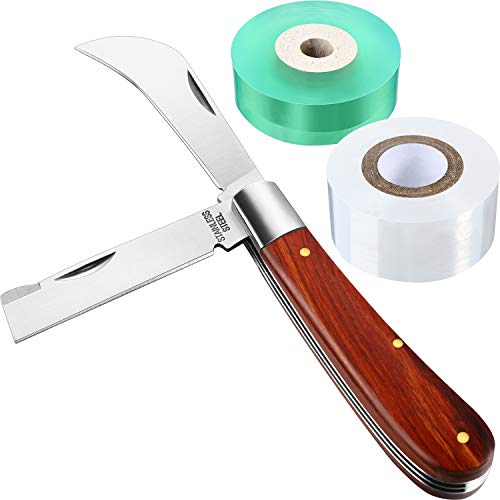
Package includes: you will get 1 double blades garden grafting knife and 2 rolls of grafting tapes in 2 sizes, ideal set for grafting budding, cutting, digging, sprouting, plants, weeding, cutting, sawing, etc.

SUPER LIGHTWEIGHT CUT AND HOLD PRUNERS SET: Our Long Reach Pruner weighs 0.79lbs, appropriate length 32 inch is suitable for relaxed cutting. When you deal with twiggy young tree branches, leaves, fruit spur or fence, one hand is enough. There has a minor hand pruner in this set can solve your lower pruning, a bonus garden glove can protect your hand.

PROFESSIONAL GARDENING GRAFTING TOOLS: Including 2 in 1 grafting pruning tools, 3 replaceable blades, a grafting knife, a screwdriver, a wrench, 2 grafting films, 160 rubber bands, 40 wide rubber bands, and 50 colorful tag cards
Seasonal Considerations
Prune most fruit trees in Florida during late winter to early spring. This timing allows you to avoid frost damage while promoting vigorous growth. For peach and plum trees, aim for January to February. Citrus trees benefit from pruning in March when new growth begins. Never prune during the summer heat, as this can stress the trees.
Influence Of Weather
Florida’s variable weather can impact pruning schedules. After a cold snap, wait for recovery before pruning. Watch for signs of new growth, which signal readiness for pruning. Additionally, avoid pruning just before heavy rains; wet conditions can invite diseases. Always check the extended forecast to choose a safe pruning day.
Specific Fruit Trees And Their Pruning Needs
Understanding the specific pruning needs of different fruit trees enhances your gardening success in Florida. Below are detailed guidelines for citrus and stone fruit trees.
Recommended Products

REDUCE HAND STRESS- This scissors was made to eliminate the day to day stress that comes from long time pruning with our soft grip handles, sharp stainless steel blades and springless design to allow free movement

DUAL CUTTING POWER: VERSATILE PRUNING COMBO --- With both Pruning Shears and Pruning Snip, this combo delivers unmatched versatility. Whether you're delicately trimming flowers and shrubs, tackling thicker tree branches, or tending to your vegetable and fruit garden, our combo pack excels in all areas. They're also perfect for landscaping projects and maintaining the health and appearance of indoor plants. With this pack, you have a versatile tool that simplifies your gardening tasks.

ULTRA SHARP - Much less effort to cut branches with our pruning shears. Crafted from premium SK5 steel with titanium coating, our garden scissors and garden clippers boast exceptional durability and sharpness. A perfect pruning shears for gardening and a must-have garden tool, hedge clippers pruners for gardening
Citrus Trees
Citrus trees require pruning primarily for health and shape. Prune these trees in March when new growth begins. Focus on removing dead or diseased branches, which helps airflow and prevents disease spread.
- Remove Suckers: Cut away suckers from the base and lower branches. This promotes better nutrient flow to the fruiting branches.
- Thin the Canopy: Eliminate crowded branches to improve light penetration. Aim for an open structure to enhance fruit quality.
- Shape the Tree: Maintain a strong central leader. Prune to create a well-balanced canopy that facilitates harvesting.
Regular maintenance keeps your citrus trees productive. After the initial spring pruning, perform light maintenance as needed throughout the year, especially after heavy growth periods.
Stone Fruit Trees
Stone fruit trees, such as peaches and plums, benefit from careful pruning to enhance fruit production and tree health. January to February serves as the optimal pruning window in Florida.
- Remove Dead Wood: Start by cutting away any dead or crossed branches. This improves airflow and reduces disease risk.
- Thin Out: Focus on thinning the fruiting wood to prevent overcrowding. Aim for 6 to 8 healthy buds per branch to maximize fruit quality.
- Form the Structure: Train the tree to develop an open center. This encourages sunlight exposure and better fruiting.
Pay attention to the growth pattern each season. After pruning, monitor your trees for growth and adjust techniques accordingly to support strong, healthy production.
Pruning Techniques And Best Practices
Proper pruning techniques and practices are essential for maintaining healthy and productive fruit trees. Use the right tools and follow a step-by-step approach to ensure optimal outcomes.
Recommended Products

★ 1. What you get: Professional convenient grafting tool set including a dual-use grafting pruner tool contain 2 extra replaceable blades, a wrench and a screwdriver, along with 36pcs wide rubber bands, 150 thick rubber bands and 1 grafting tape, packed in a black wallet to meet all your needs

✂Multifunctional -2 in 1 Garden Grafting Tools-Professional grafting set allows you to pruning and grafting at the same time, saving more time and effort than traditional grafting methods, easy to use and more efficient. It allows you to trim away excess leaves and twigs and prepare the plants to be grafted. At the same time, you can make a precise cut into the grafting stock with the special grafting blade.

Pruning Trees Shrubs and Vines No 54 By Gardenway Editors
Tools And Equipment
Use these key tools for effective pruning:
- Pruning Shears: Essential for clean cuts on small branches and stems. Choose bypass shears for precise cutting.
- Loppers: Useful for cutting thicker branches, offering extra leverage for larger limbs.
- Handsaw: Opt for a handsaw when dealing with branches over 1 inch in diameter. It provides more control for precise cuts.
- Safety Gear: Wear gloves and goggles to protect your hands and eyes from debris during pruning.
Keep your tools clean and sharp to promote healthy cuts and reduce the risk of tree disease.
Step-by-Step Pruning Guide
Follow this step-by-step guide to prune your fruit trees effectively:
- Assess the Tree: Inspect your tree for dead, diseased, or broken branches. Note areas needing improvement, such as overcrowding or poor structure.
- Choose the Right Time: Prune during the recommended window—late winter to early spring for most trees, such as peach and plum trees in January to February.
- Remove Dead Wood: Start by cutting away all dead and diseased branches. This helps prevent the spread of disease and encourages new growth.
- Thin the Canopy: For citrus trees, thin out crowded branches to improve airflow and sunlight penetration. Aim for a balanced structure where light reaches all areas of the tree.
- Shape the Tree: Focus on creating an open center for stone fruit trees. This allows for better sunlight exposure, enhancing fruit quality and yield.
- Cut Suckers and Water Sprouts: Remove any vertical growth known as suckers or water sprouts, which can divert energy from fruit production.
- Make Cuts at the Right Angle: Angle cuts slightly away from the bud to help prevent water accumulation and rot.
- Clean Up: Gather and dispose of all cut branches to reduce the risk of pest infestations or diseases.
Use these techniques as a guide to promote tree health and maximize fruit production in your garden.
Conclusion
Pruning your fruit trees at the right time can make all the difference in their health and productivity. By following the guidelines for Florida’s unique climate you can ensure your trees thrive and produce abundant fruit. Remember to stay mindful of the seasons and weather conditions as you plan your pruning schedule.
With the right techniques and timing you’ll not only enhance the beauty of your trees but also boost their overall yield. So grab your pruning shears and get ready to nurture your fruit trees into healthy, fruitful plants that bring joy to your garden. Happy pruning!
Frequently Asked Questions
When is the best time to prune fruit trees in Florida?
Prune most fruit trees in Florida during late winter to early spring. For peach and plum trees, prune from January to February, while citrus trees should be pruned in March. This timing helps avoid frost damage and encourages healthy growth.
Why is pruning important for fruit trees?
Pruning is vital for the health and productivity of fruit trees. It enhances airflow, promotes growth, improves tree structure, increases yield, and makes harvesting easier. Regular pruning helps maintain a strong and productive tree.
Can I prune my fruit trees in summer?
It’s best to avoid summer pruning due to heat stress on the trees. This can hinder their recovery and overall health. It’s advisable to wait for more favorable weather conditions before pruning.
What tools do I need for pruning fruit trees?
Essential tools for pruning include sharp pruning shears, loppers, handsaws, and safety gear. Keeping tools clean and sharp ensures effective cuts and minimizes damage to the tree.
How should I prune citrus trees?
Prune citrus trees in March by removing dead or diseased branches, cutting away suckers, and thinning the canopy for better sunlight exposure. Regular maintenance throughout the year is also recommended.
What techniques are important for effective pruning?
Use proper pruning techniques such as assessing the tree, removing dead wood, thinning the canopy, and making cuts at the right angle. Always clean up after pruning to promote healthy tree growth.
